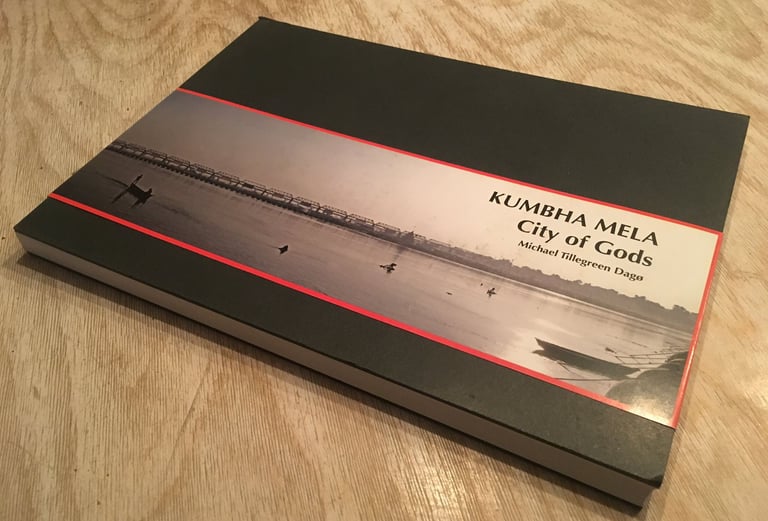
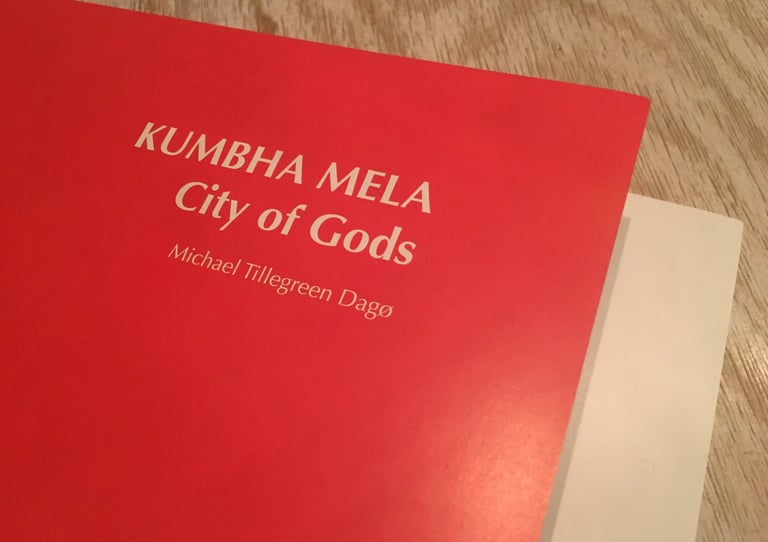
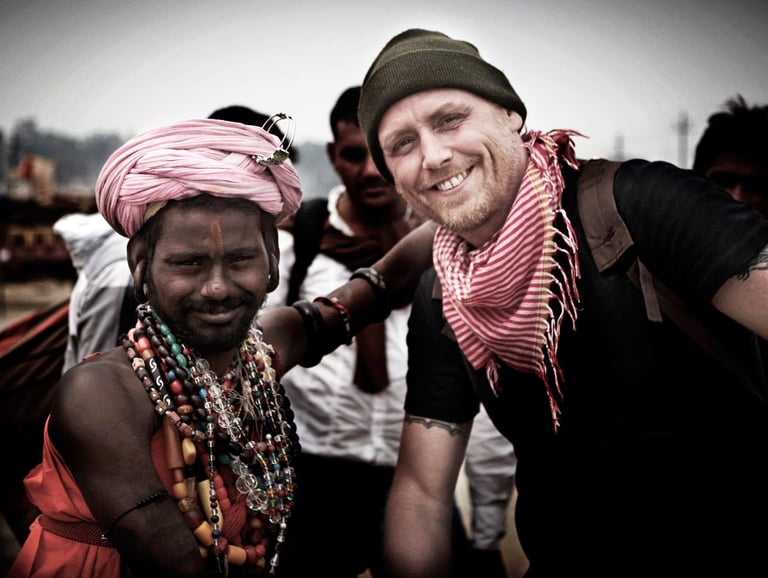
Kumbh Mela - The City of Gods
The greatest of all human gatherings
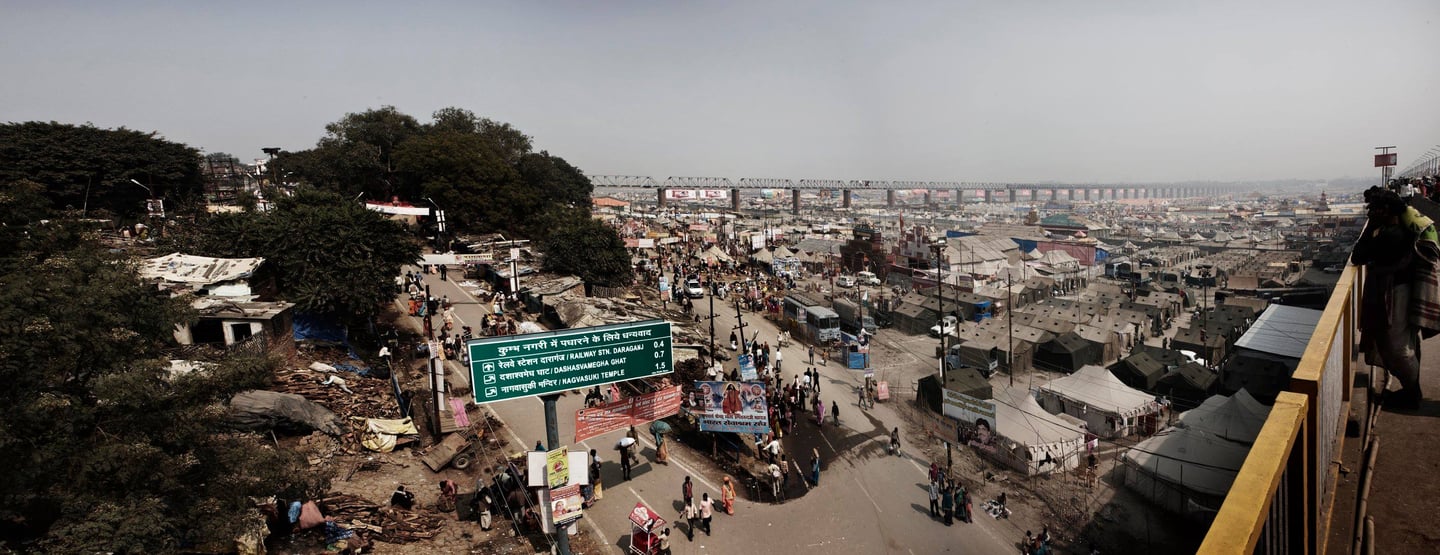
The tented city of Kumbh Mela
The Kumbh Mela at Prayag: Faith, History, and the Rise of a Sacred City
The Kumbh Mela is one of the largest religious gatherings in the world, a festival that blends deep spiritual belief with remarkable human organization. Held periodically at four sacred locations in India—Prayag (Allahabad), Haridwar, Ujjain, and Nashik—the Kumbh Mela at Prayag holds a special significance. Located at the sacred confluence of rivers, this northern Indian site has been revered for thousands of years as a place of purification, devotion, and cosmic harmony. Every time the Kumbh Mela is celebrated here, an entire temporary city rises from the sands, transforming the riverbanks into a living symbol of faith and collective devotion.
Historical and Mythological Origins
The origins of the Kumbh Mela lie in ancient Hindu mythology, particularly the legend of the Samudra Manthan, or the churning of the cosmic ocean. According to this story, the gods (devas) and demons (asuras) worked together to churn the ocean in search of amrit, the nectar of immortality. When the pot (kumbh) containing the nectar emerged, a divine struggle followed. During this struggle, four drops of the nectar fell at four locations on Earth—Prayag, Haridwar, Ujjain, and Nashik—making these places eternally sacred.
Prayag, now officially known as Prayagraj, is especially revered because it lies at the Triveni Sangam, the confluence of the Ganga, Yamuna, and the mythical Saraswati rivers. Bathing at this confluence during the Kumbh Mela is believed to cleanse one of all sins and liberate the soul from the cycle of rebirth.
Historically, the festival has been mentioned in ancient Hindu scriptures such as the Puranas and was documented by early travelers like the Chinese monk Xuanzang (Hiuen Tsang) in the 7th century CE. Over time, the Kumbh Mela also became a platform for philosophical exchange, where saints, scholars, ascetics, and pilgrims gathered to debate spiritual ideas. The establishment of monastic orders (akharas), particularly under the guidance of the philosopher Adi Shankaracharya, further shaped the religious character of the festival.
The Sacred Cycle of the Kumbh
The Kumbh Mela follows a complex astrological cycle based on the positions of the sun, moon, and Jupiter. The Maha Kumbh at Prayag occurs once every 144 years, while the regular Kumbh appears every 12 years, with smaller Ardh Kumbh gatherings in between. Each occasion draws millions—sometimes tens of millions—of pilgrims from across India and the world, making it one of the largest peaceful human assemblies ever recorded.
The Tented City: A Temporary Metropolis
One of the most remarkable aspects of the Kumbh Mela at Prayag is the creation of a vast temporary city along the riverbanks. Built on the sandy floodplains of the Ganga and Yamuna, this tented city appears almost overnight and vanishes just as swiftly once the festival ends.
Spanning thousands of hectares, the city includes roads, bridges, electricity networks, hospitals, sanitation systems, water supply lines, police stations, and fire services. Entire neighborhoods are organized around religious orders, spiritual leaders, and pilgrim groups. Massive community kitchens feed thousands daily, while tents range from simple cloth shelters to elaborate ashrams housing revered saints and international visitors.
The temporary nature of the city reflects a deeper spiritual idea central to Hindu philosophy—the impermanence of material life. Despite its immense scale, nothing permanent remains once the festival concludes. The land returns to silence, reinforcing the belief that human existence, like the tented city, is transient.
A Living Cultural and Spiritual Legacy
Beyond its religious importance, the Kumbh Mela at Prayag is a living expression of India’s cultural continuity. It brings together people of all backgrounds—rich and poor, ascetics and householders, villagers and urban dwellers—united by shared faith. Ritual bathing, devotional singing, philosophical discussions, and ceremonial processions create a powerful atmosphere of collective spirituality.
In recent years, modern technology and administration have enhanced safety, sanitation, and accessibility, yet the soul of the festival remains unchanged. The Kumbh Mela continues to stand as a testament to humanity’s enduring search for meaning, purification, and connection with the divine.
The Kumbh Mela at Prayag is far more than a religious festival; it is a profound convergence of history, myth, faith, and human organization. Rooted in ancient tradition yet alive in the modern world, it transforms a riverbank into a sacred universe where millions gather in hope and devotion. The tented city rises and disappears, but the spiritual resonance of the Kumbh endures, reminding humanity of its timeless quest for transcendence and unity.
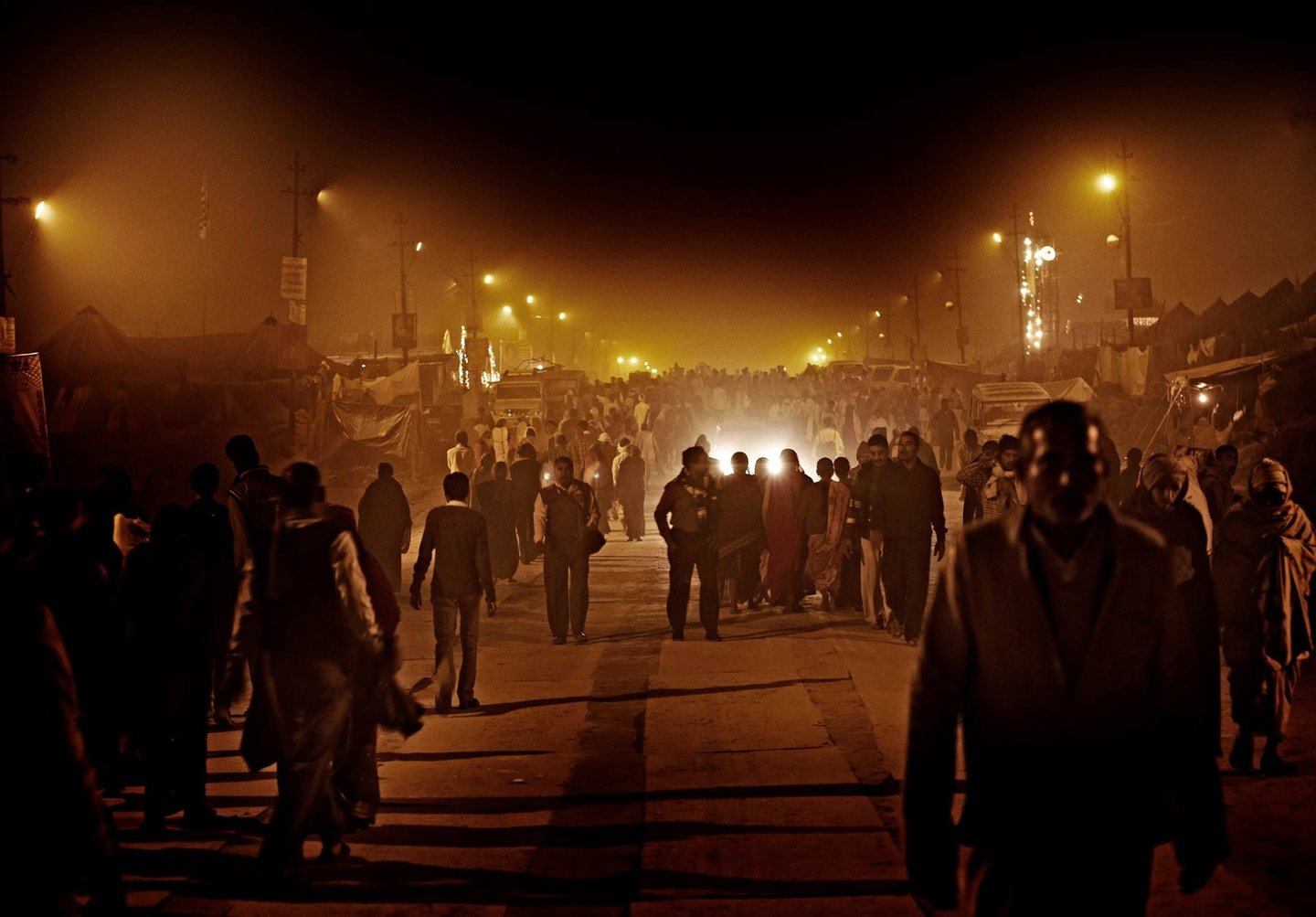
At night at the Kumbh Mela
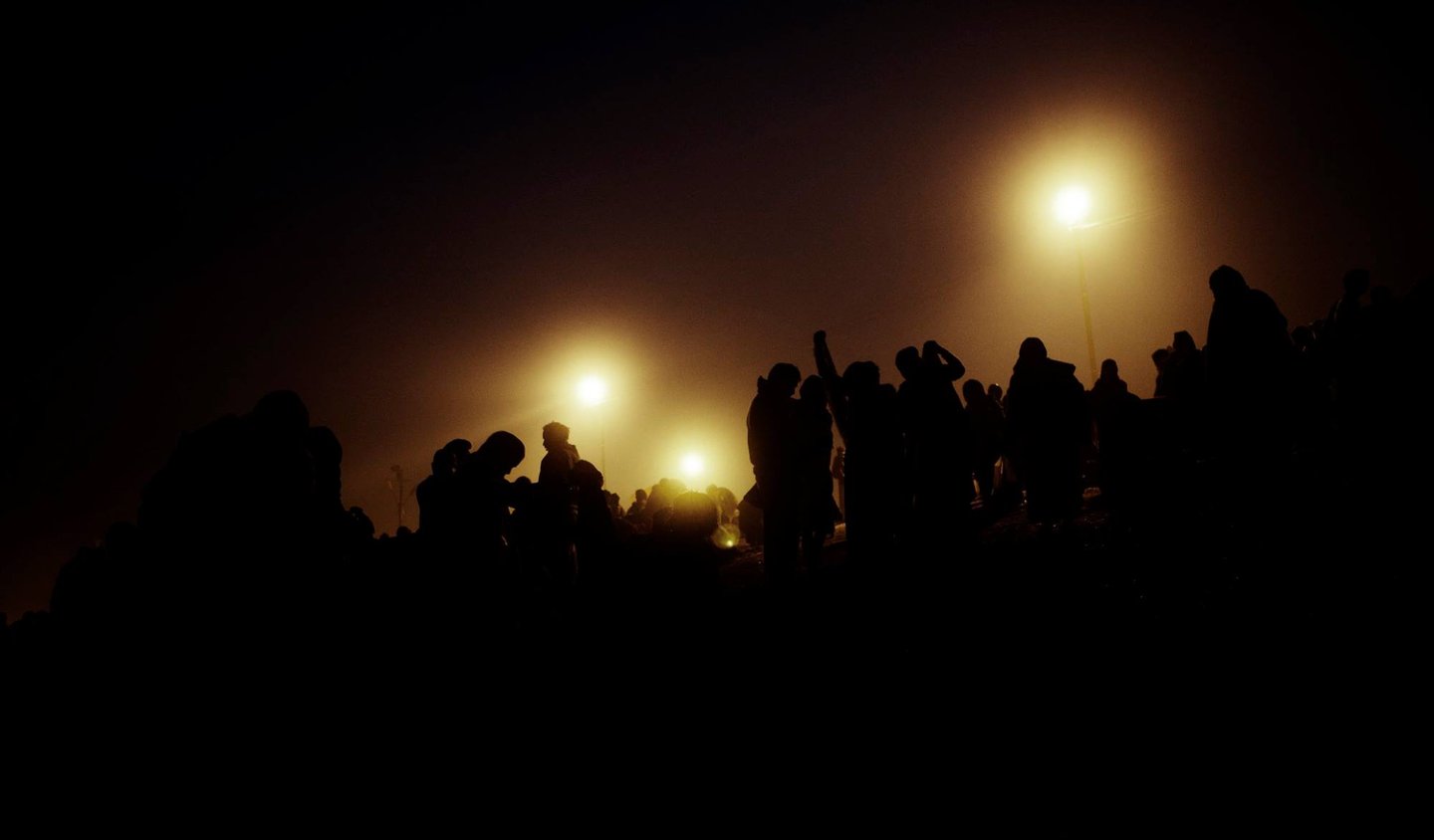
Preparing the bath during the night
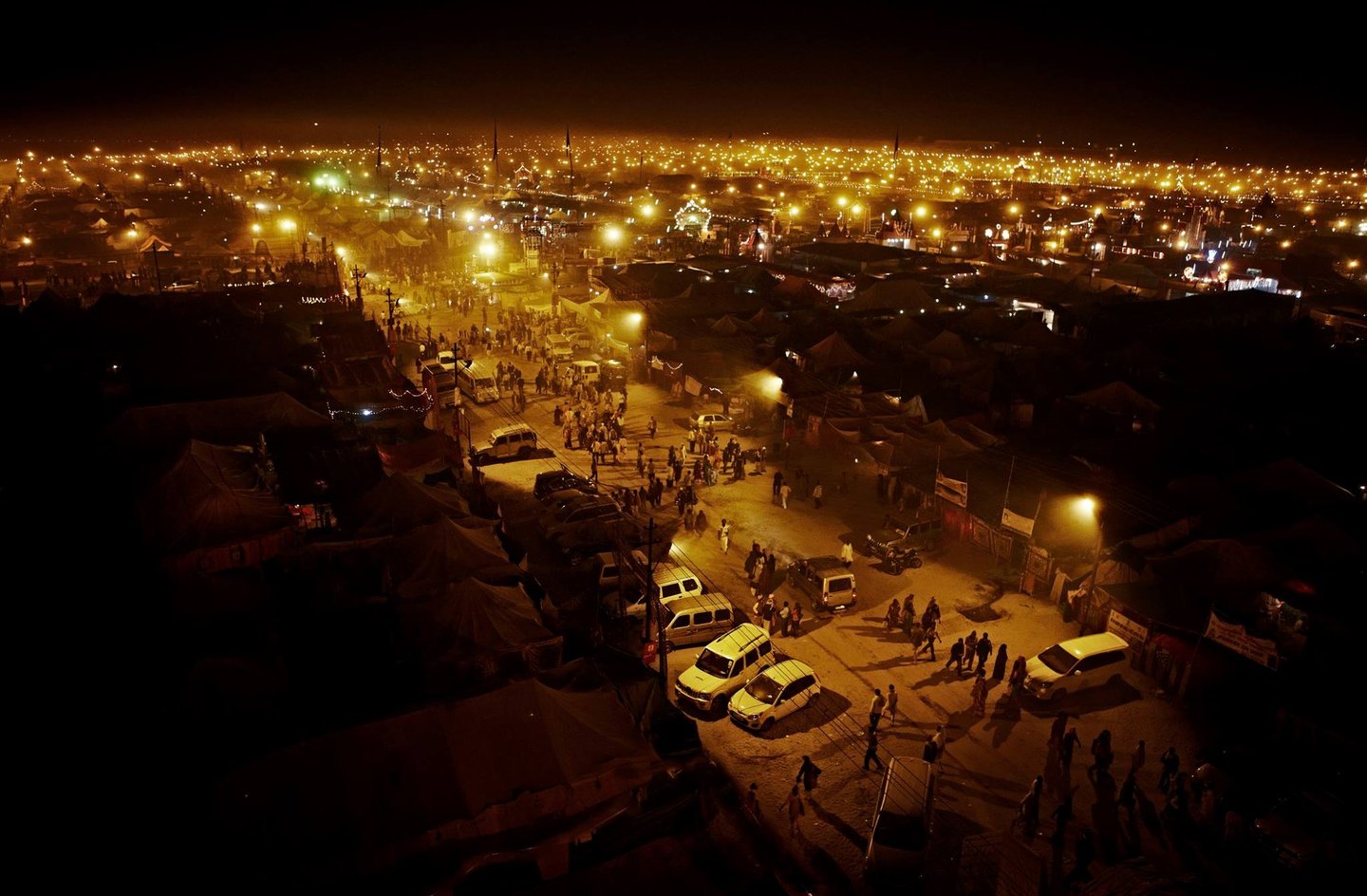
The tented city of Kumbh Mela
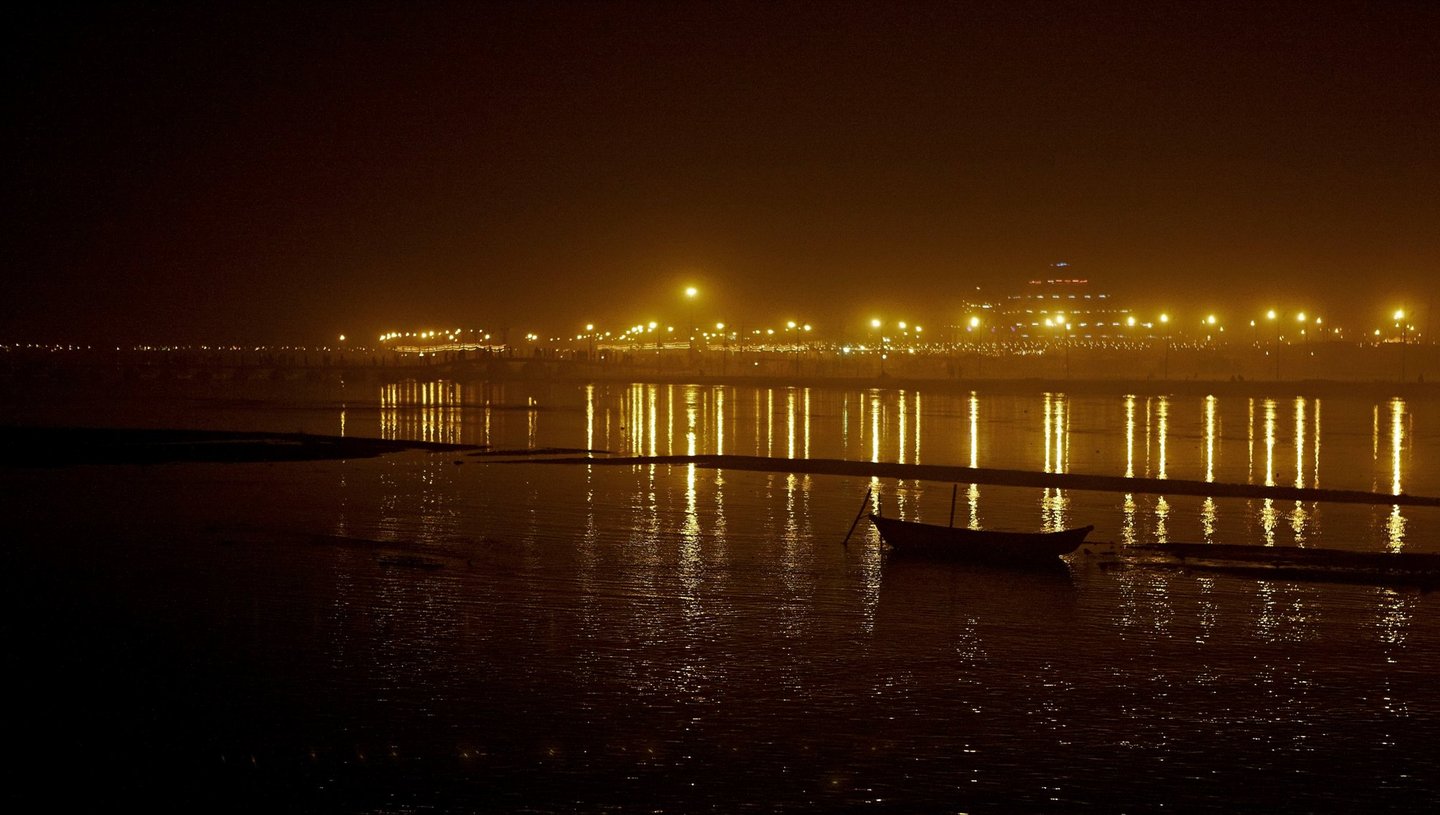
The Ganges River
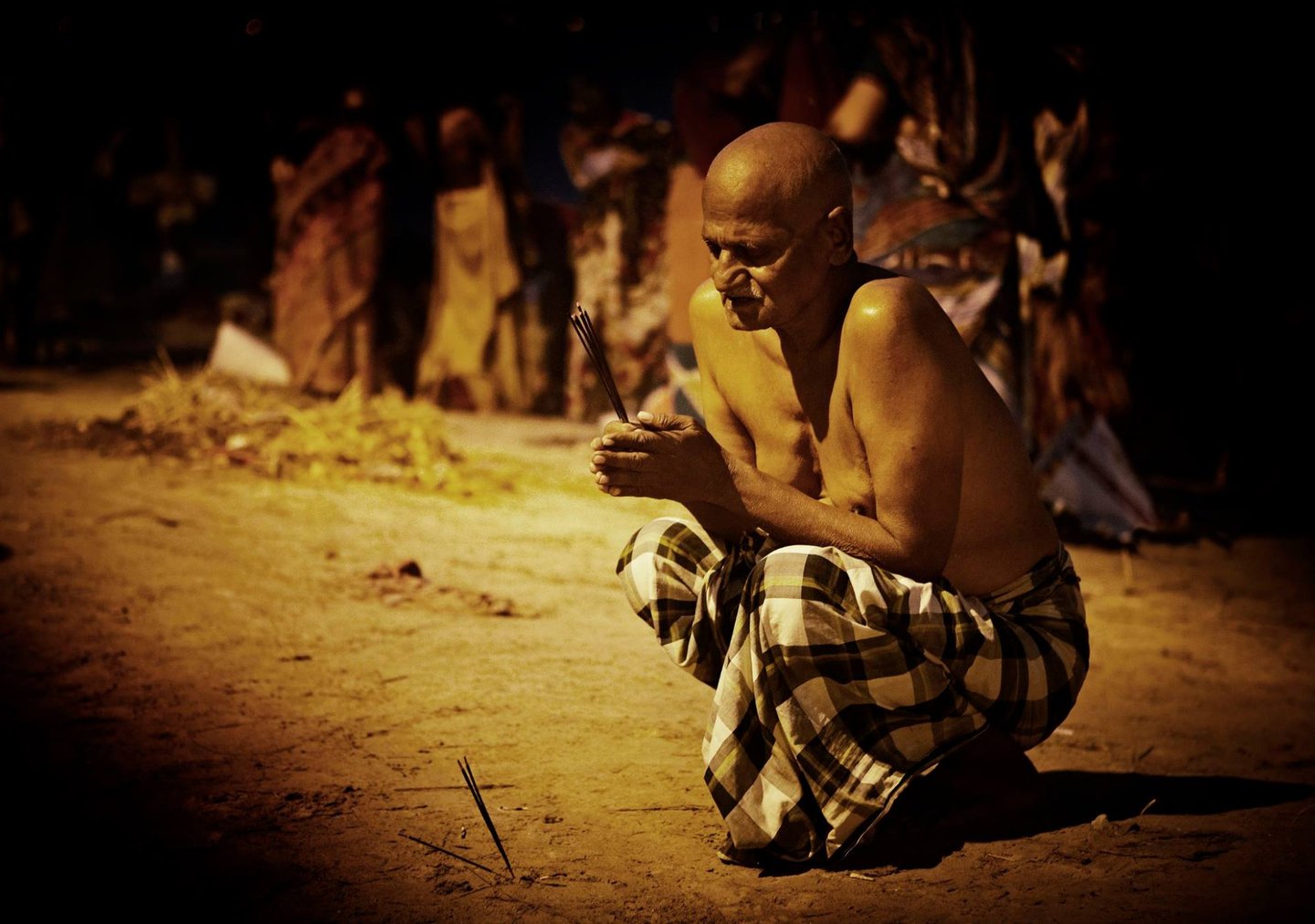
Praying
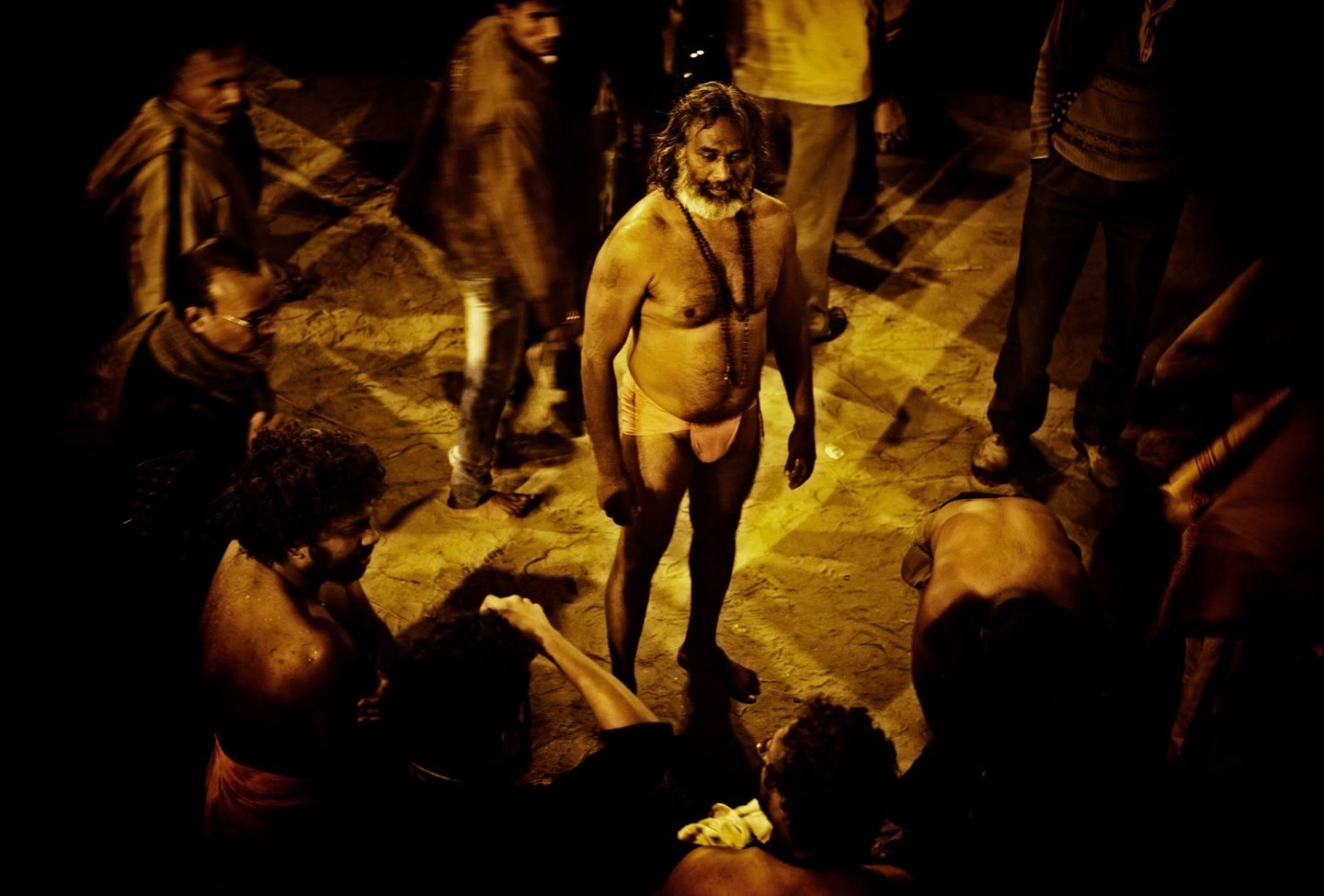
In the crowds...
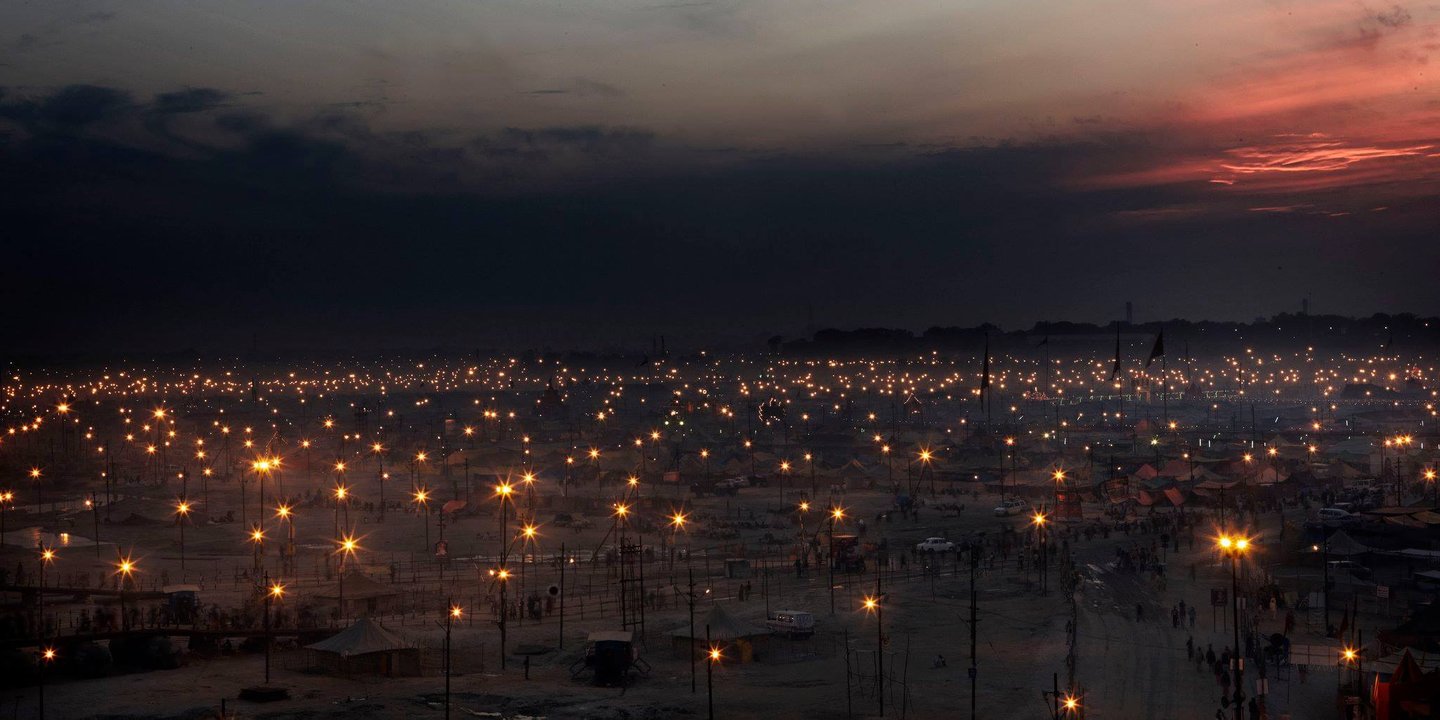
The streetlights of Kumbh Mela
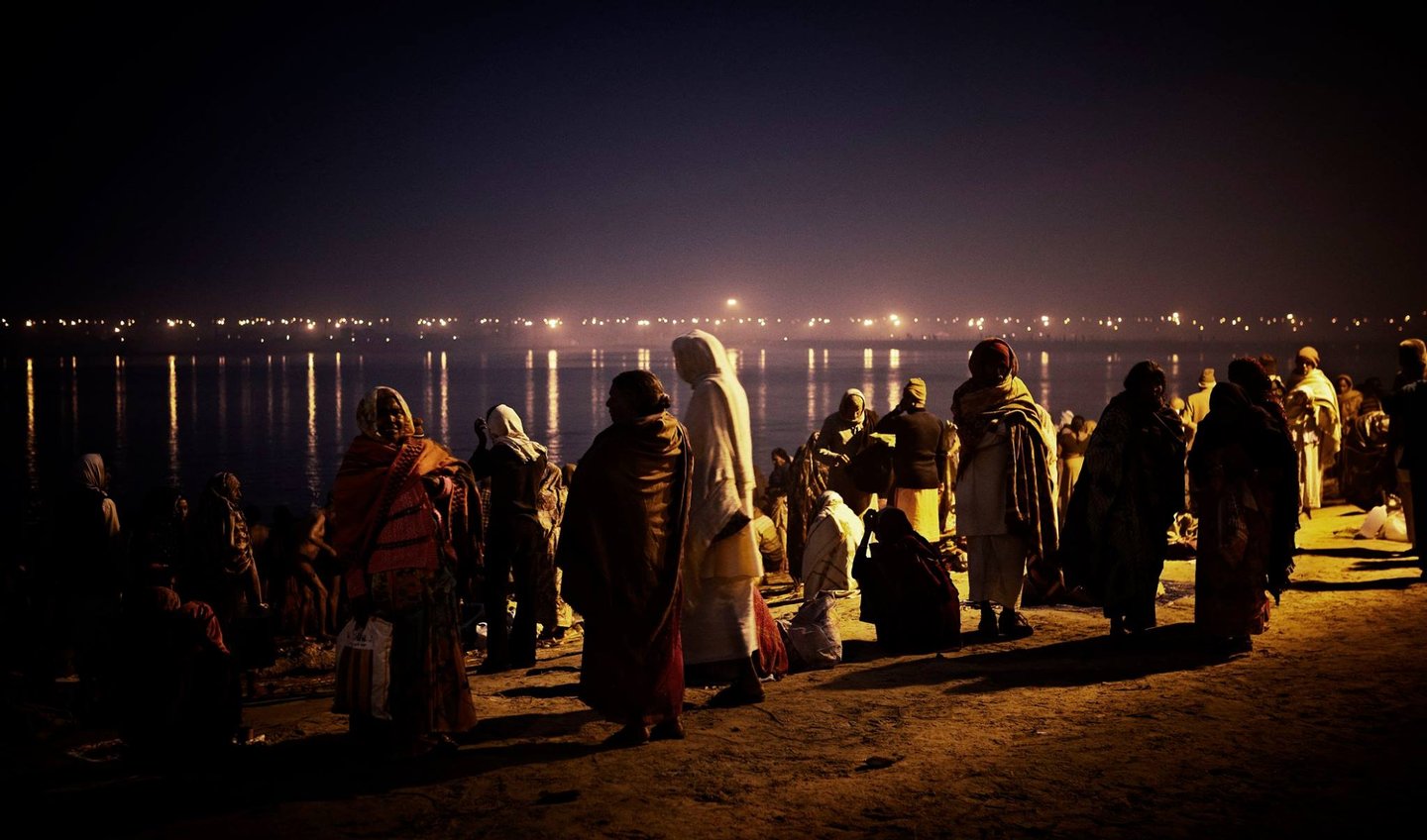
Preparing the holy bath in Ganges River
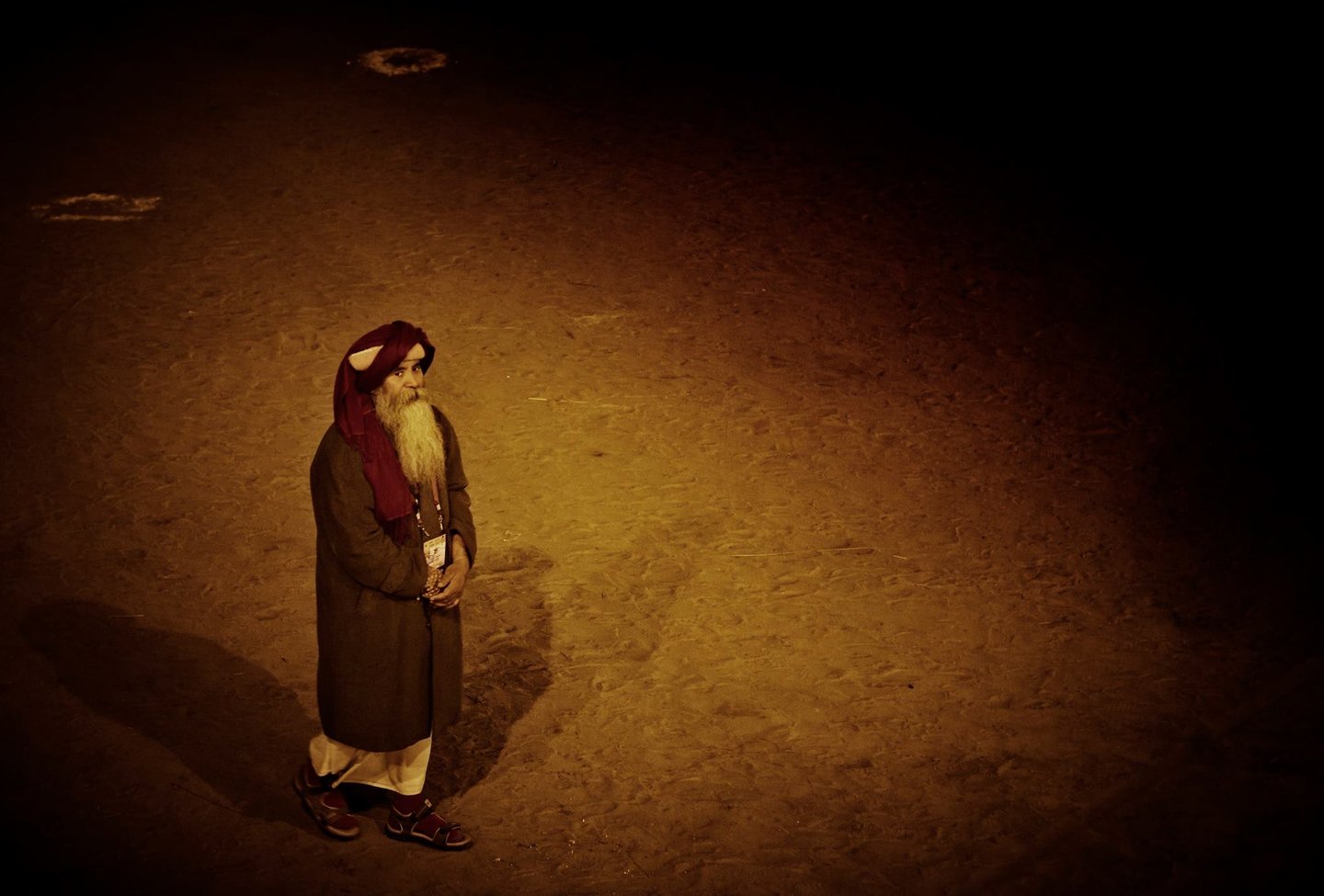
Alone - for a moment....
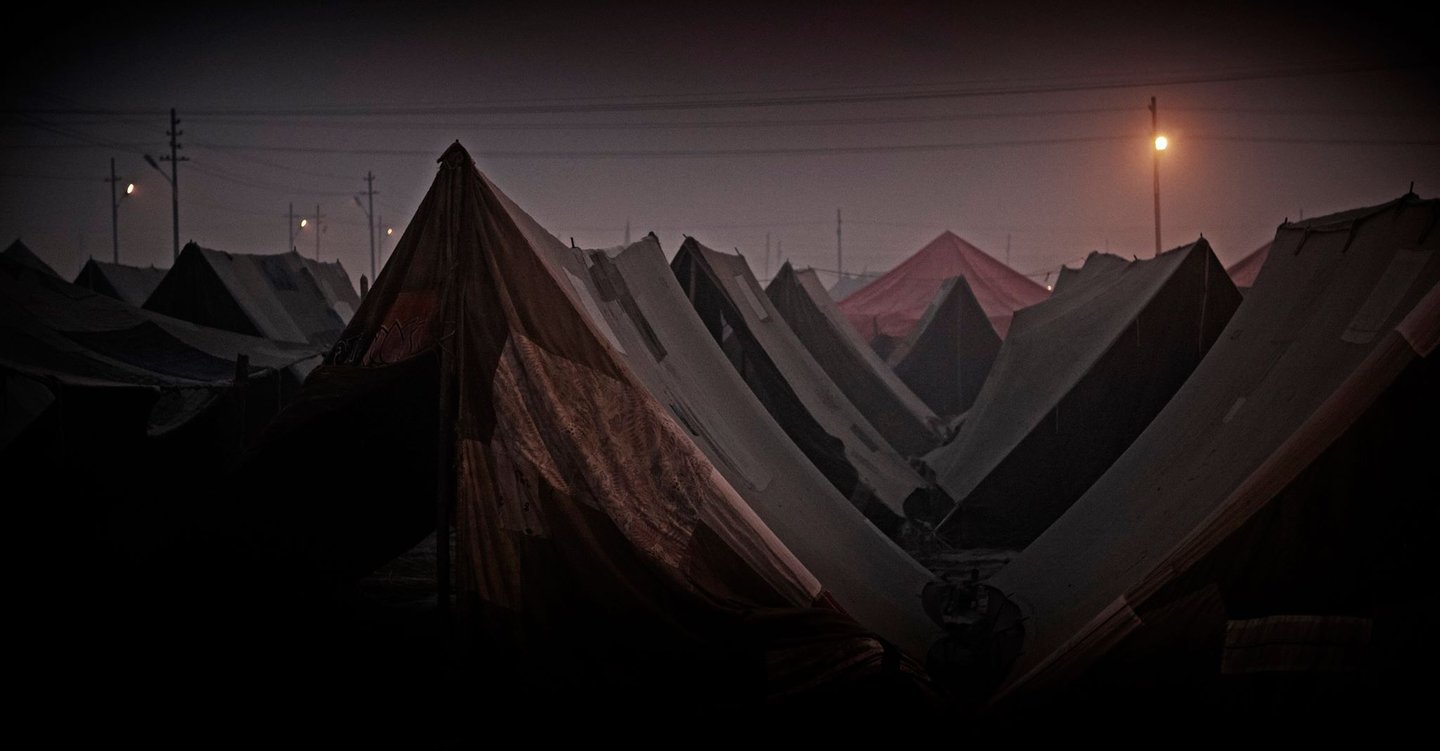
The tented city of Kumbh Mela
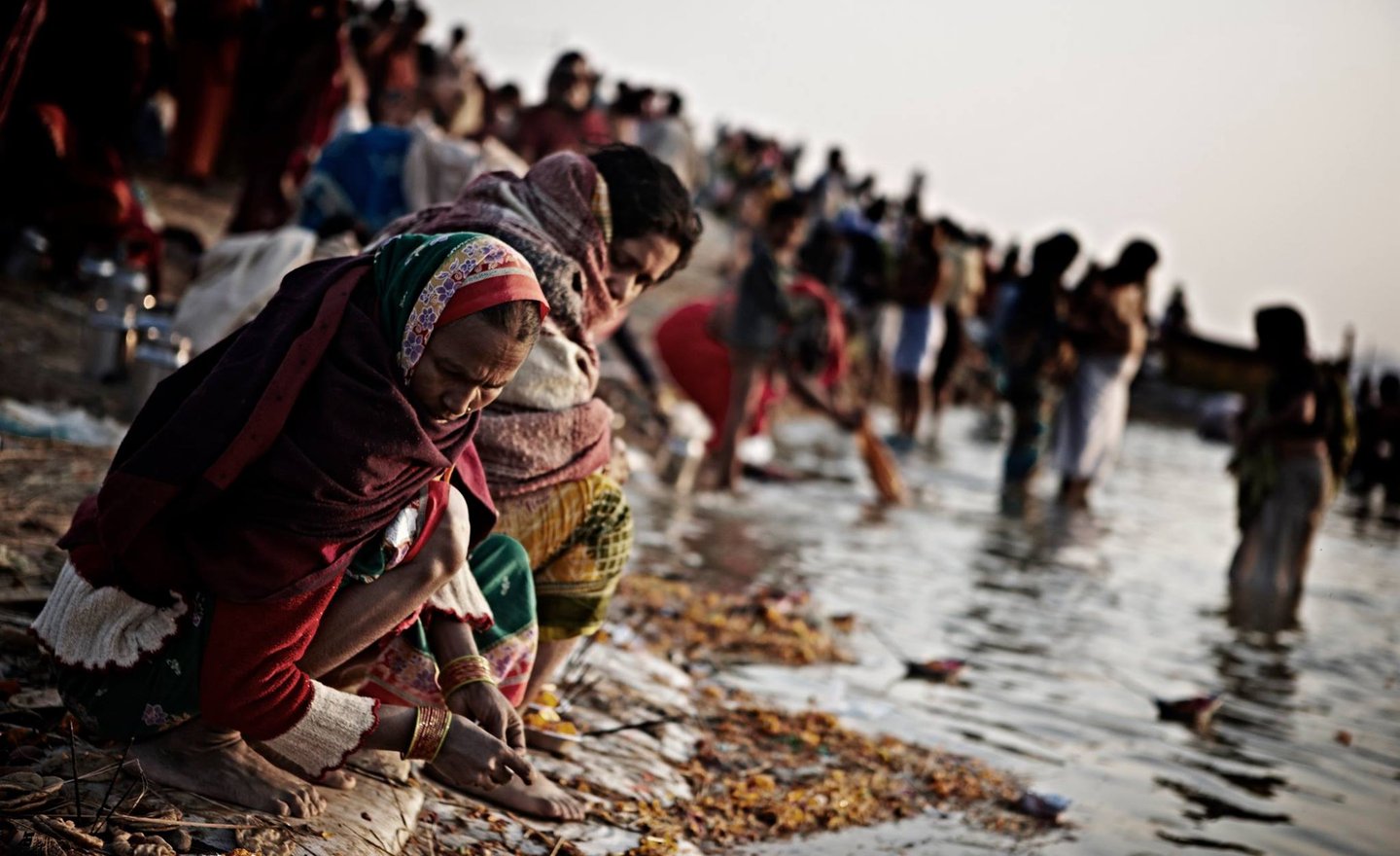
At the riverside
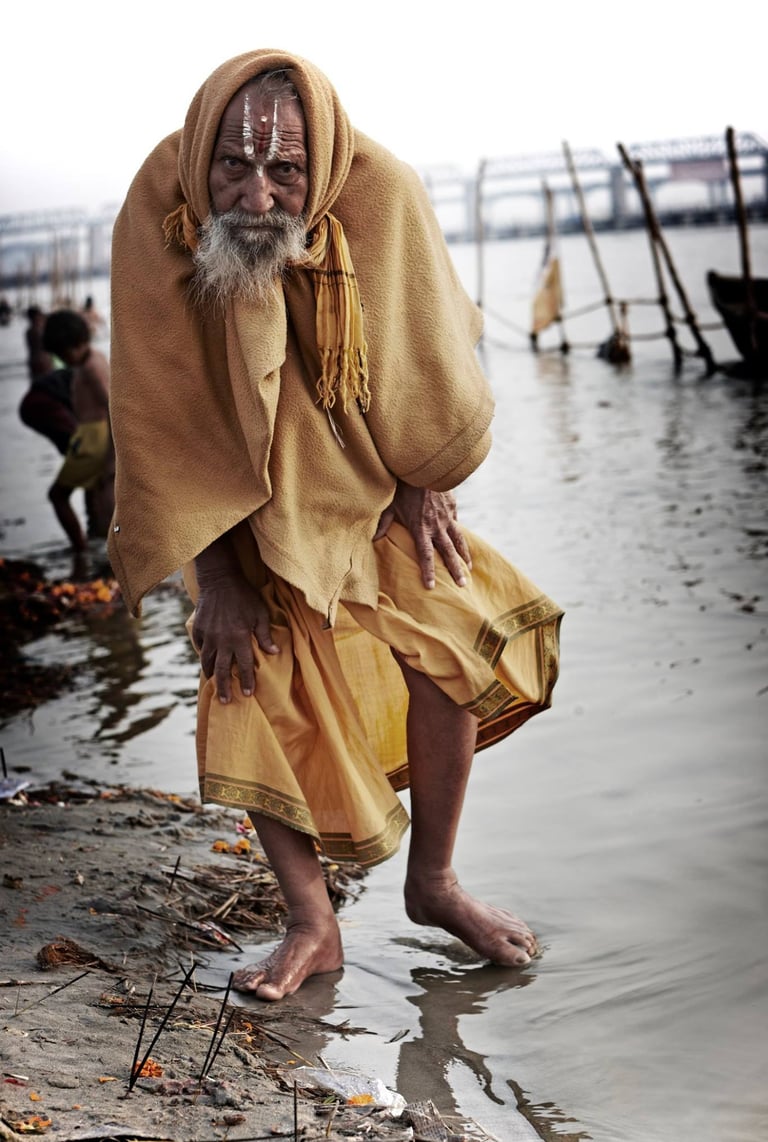
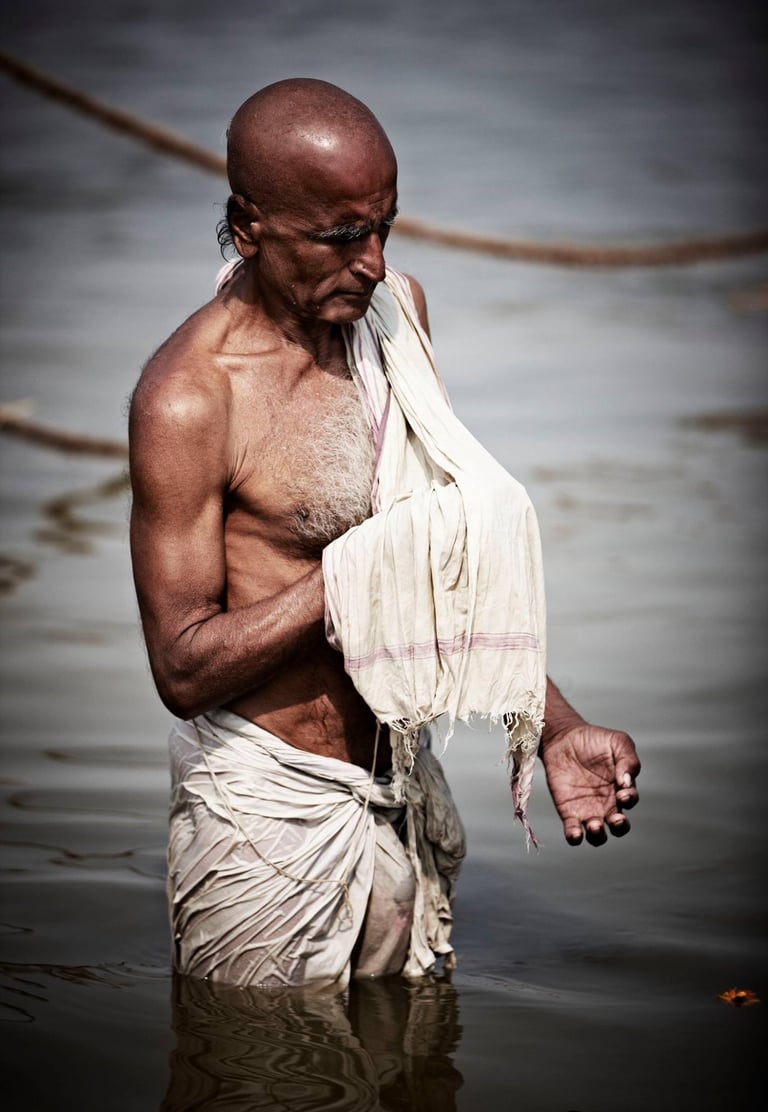
Prayers in the Ganges River
Looking....
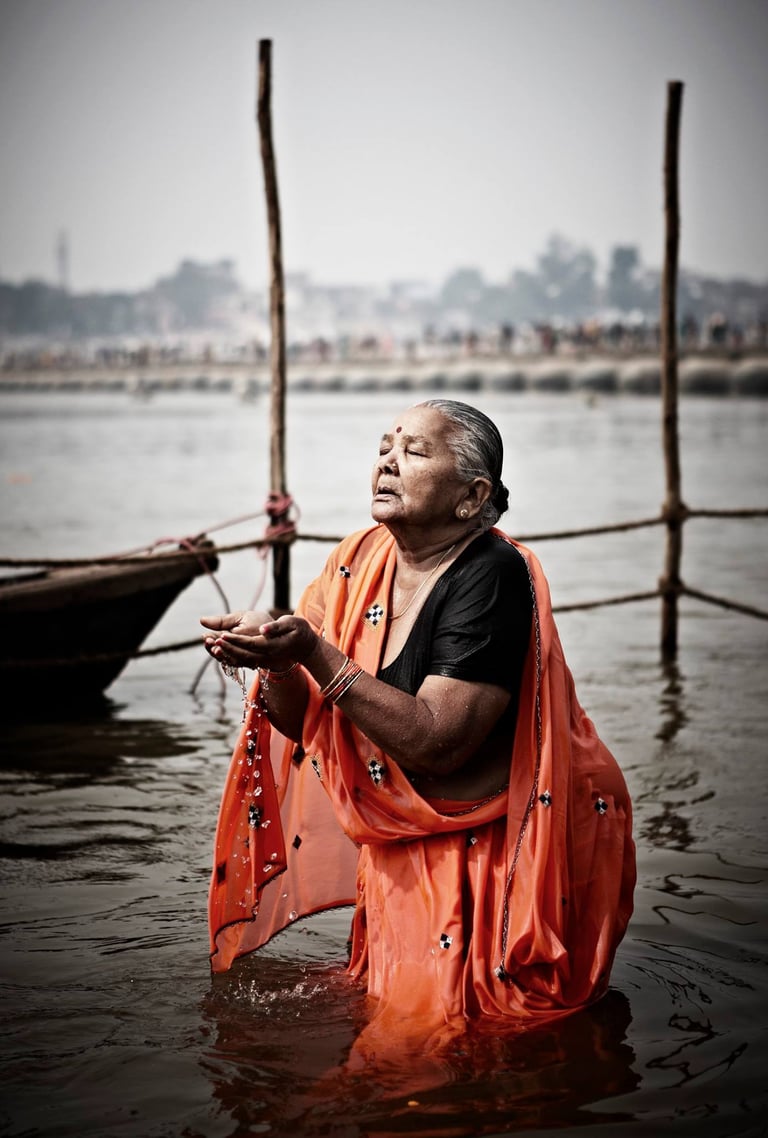
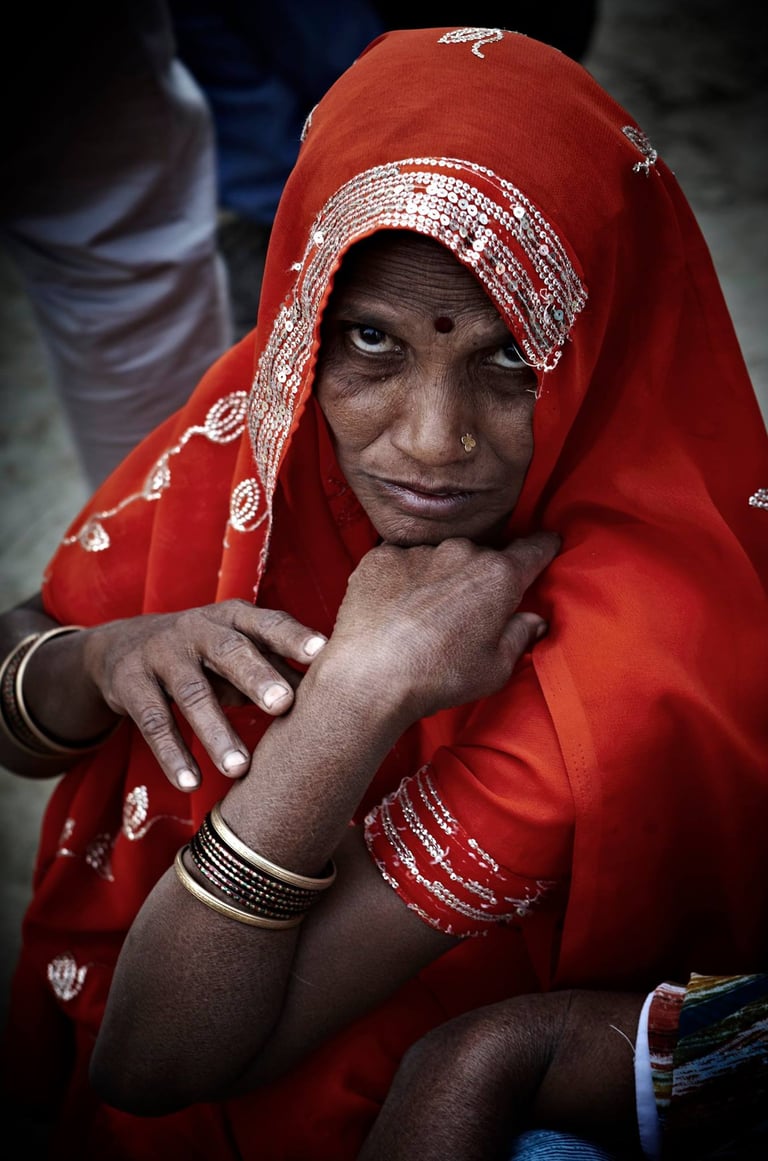
Pryers in the Ganges River
Waiting
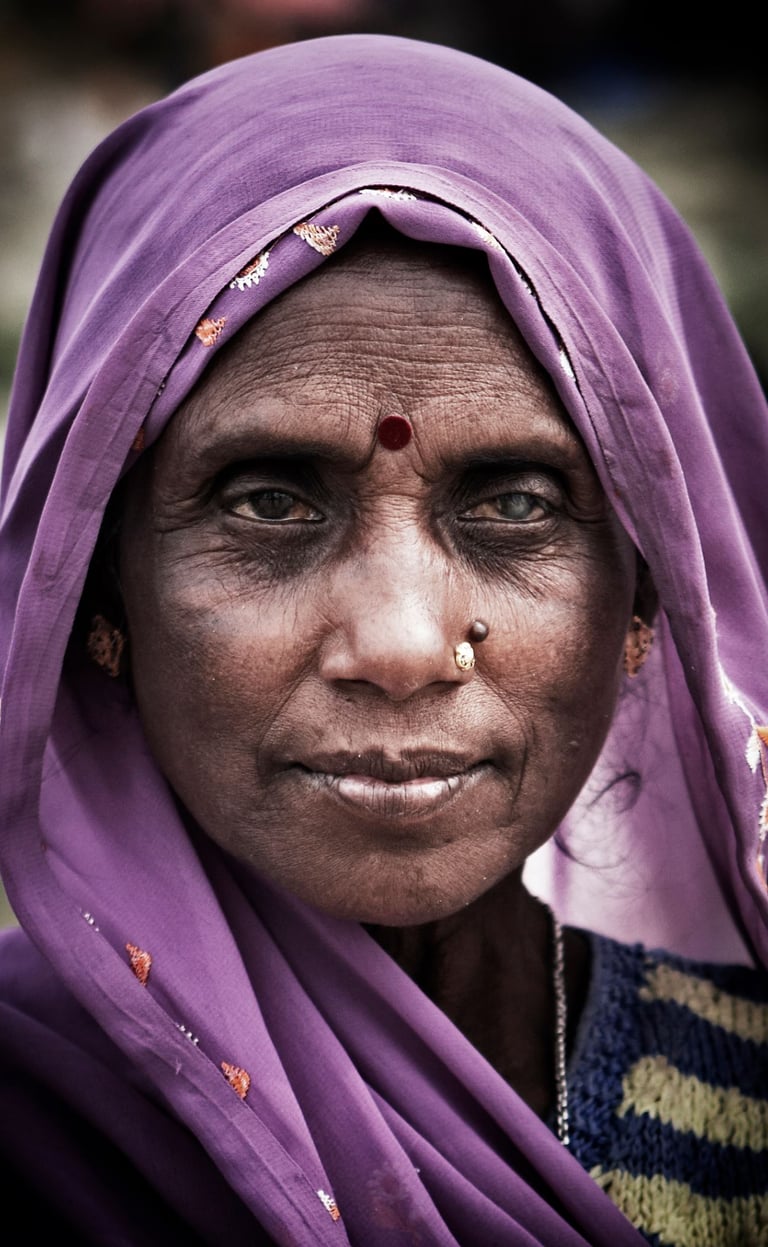
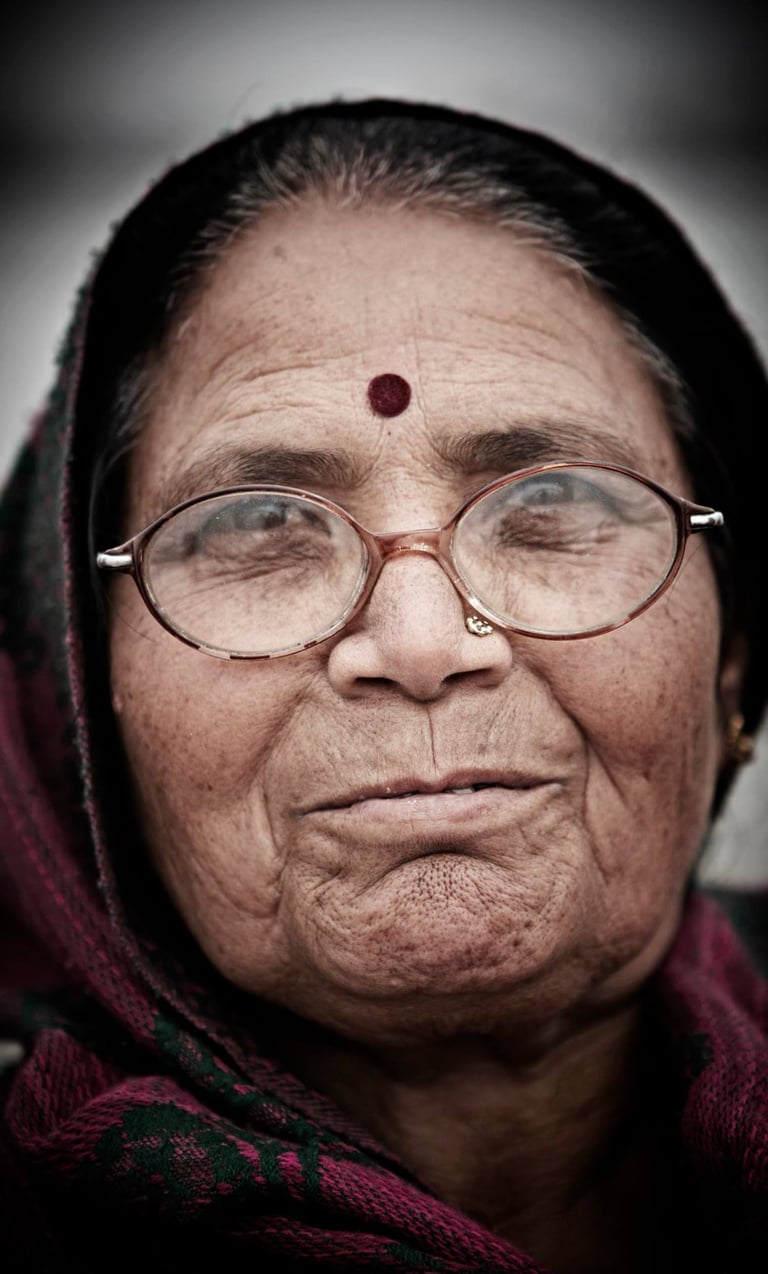
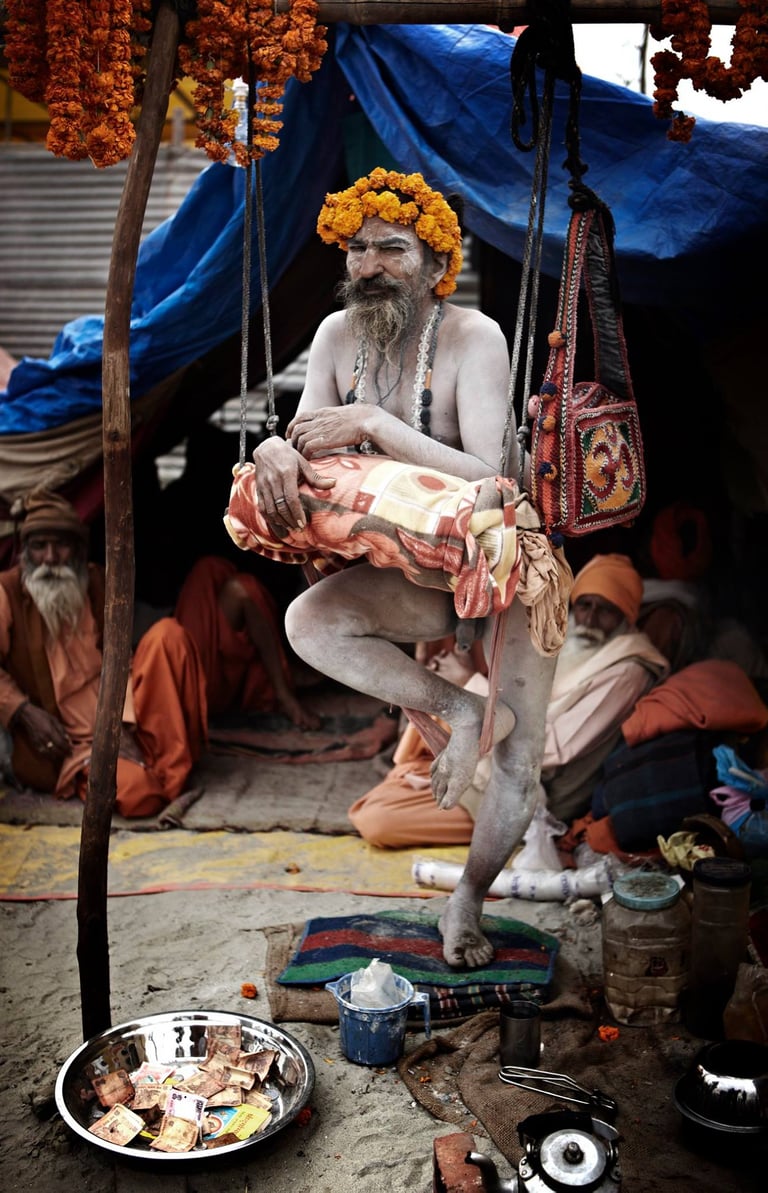
Portraits
Portraits
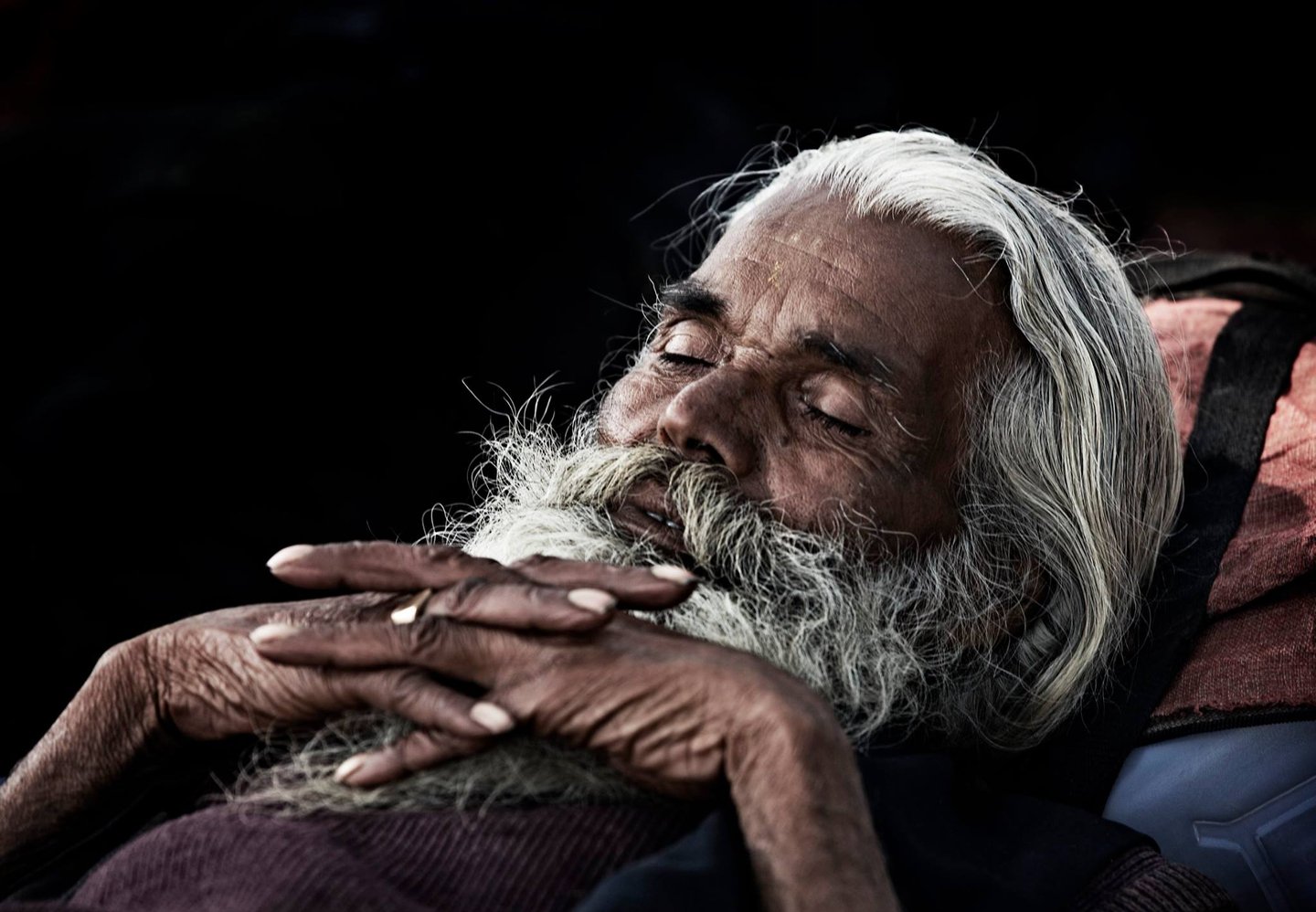
Asleep....
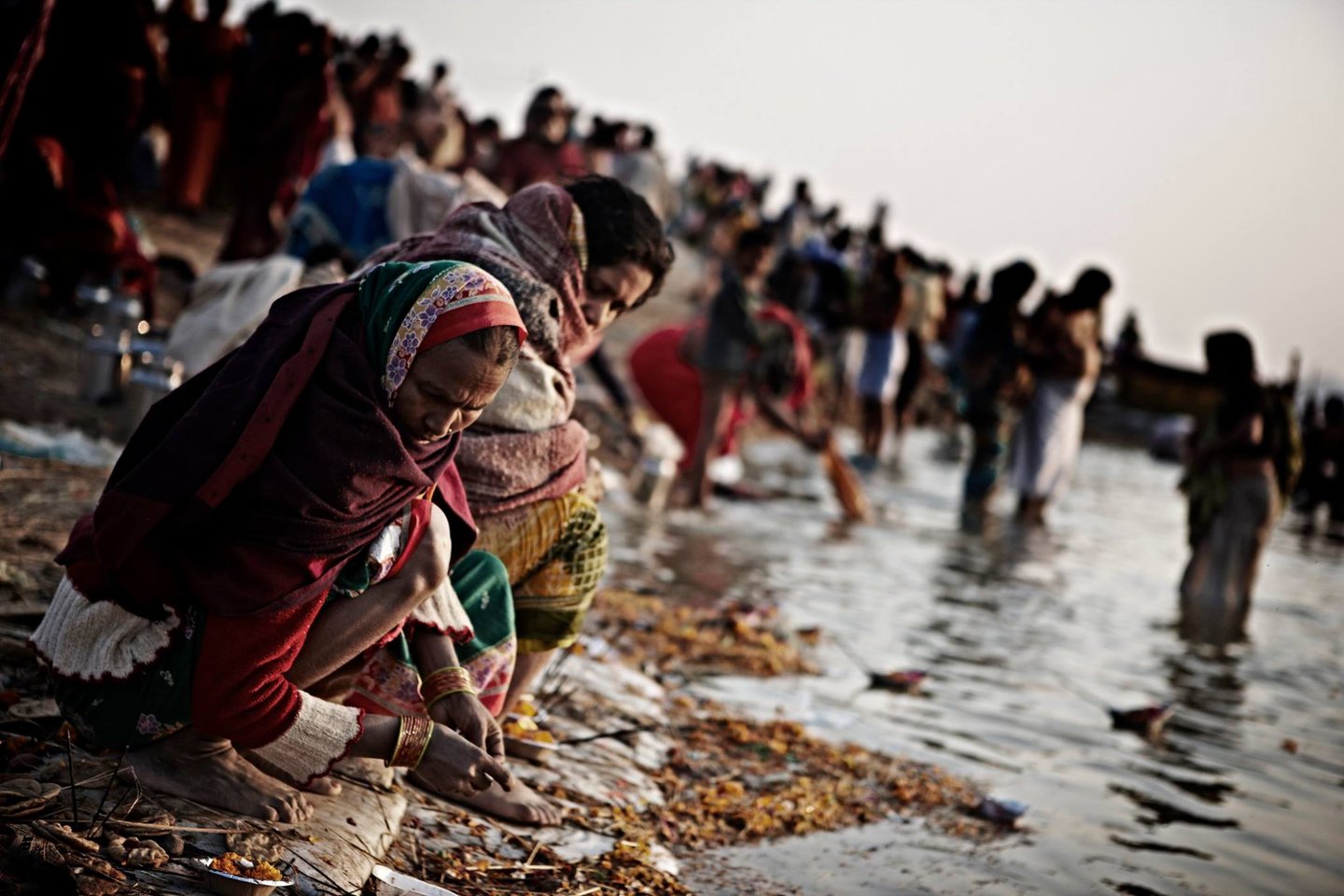
Praying at the Ganges River
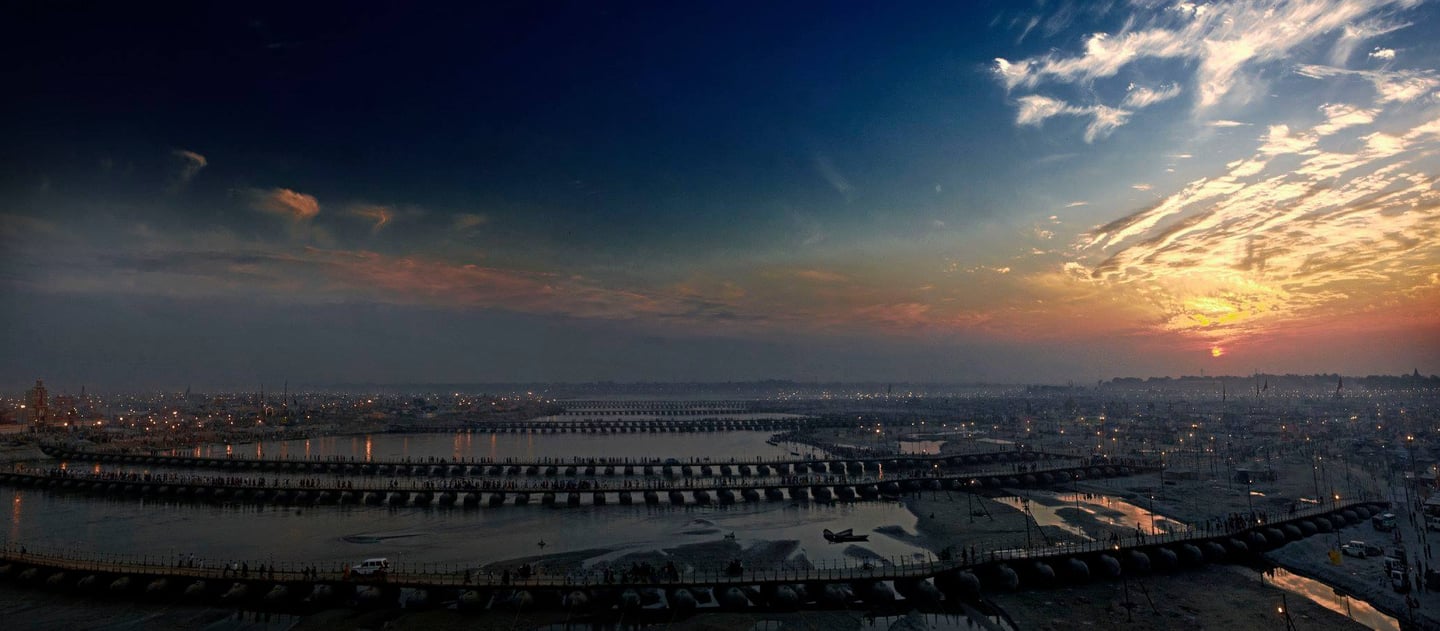
Floating bridges over ganges River
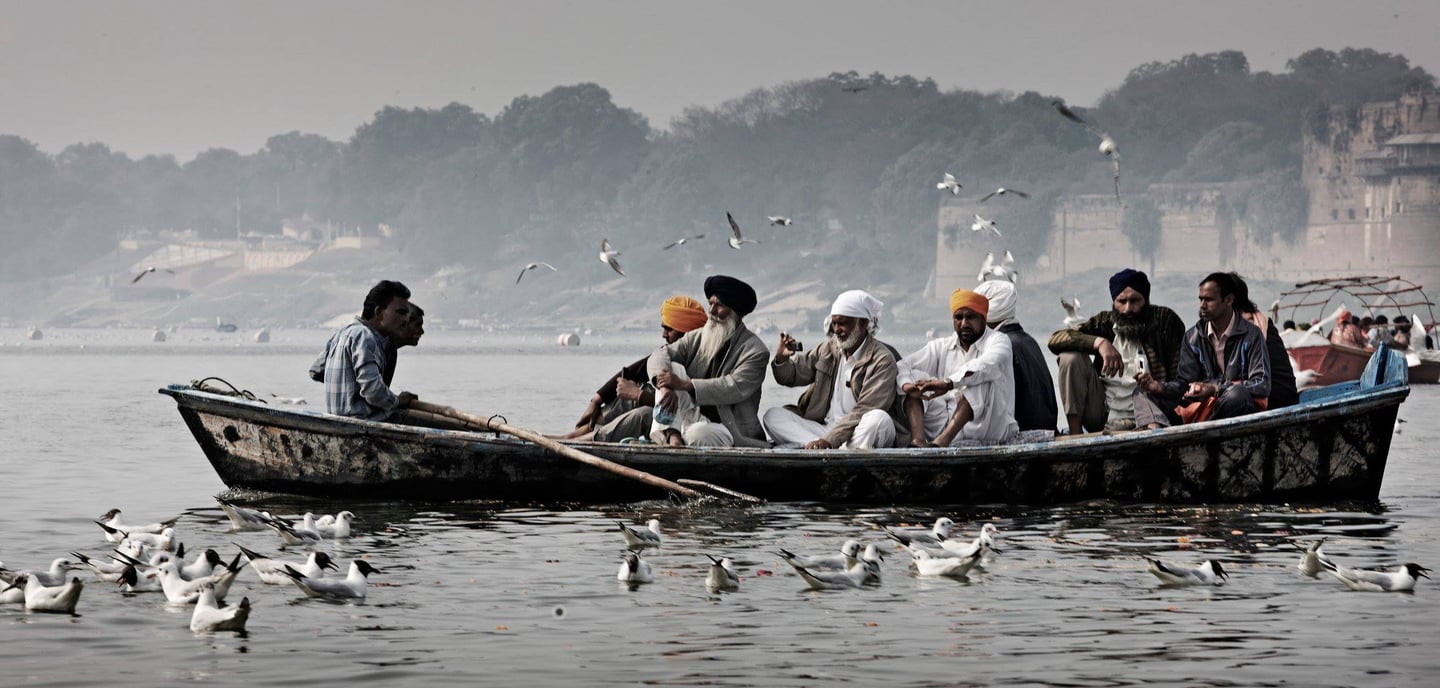
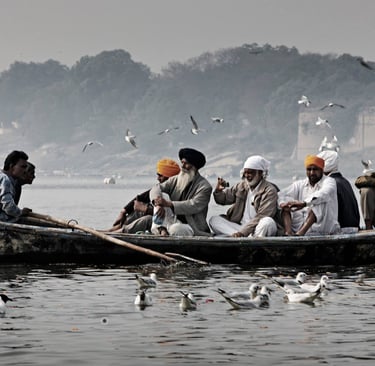
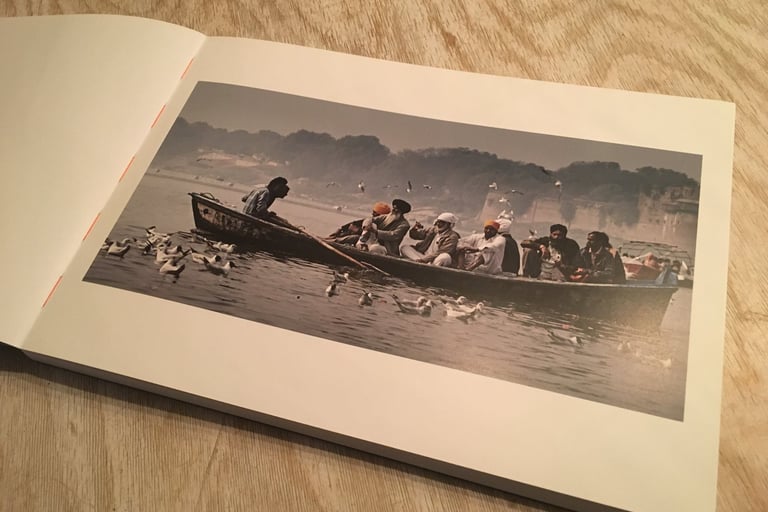
Sightseeing on the Ganges River
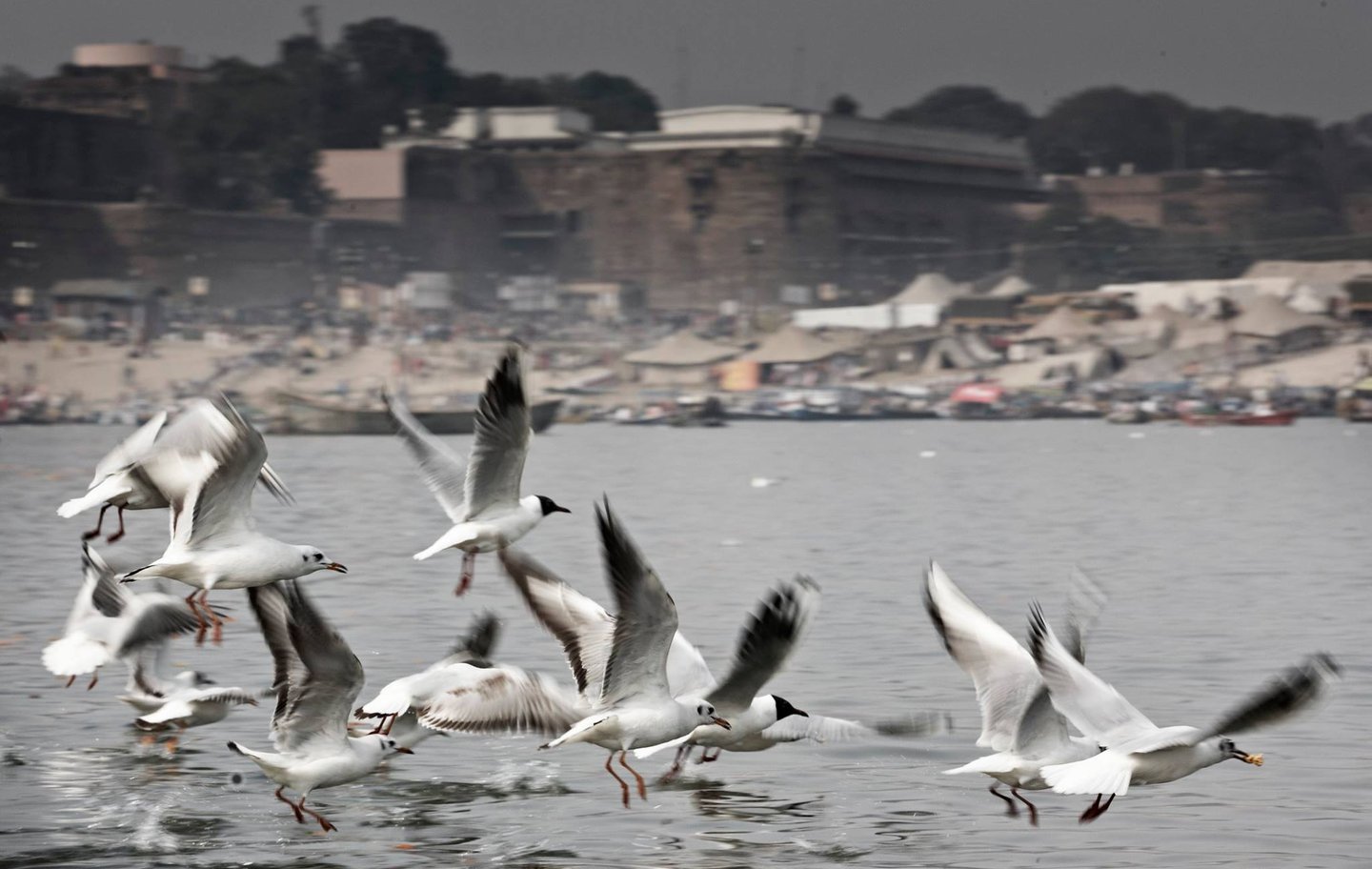
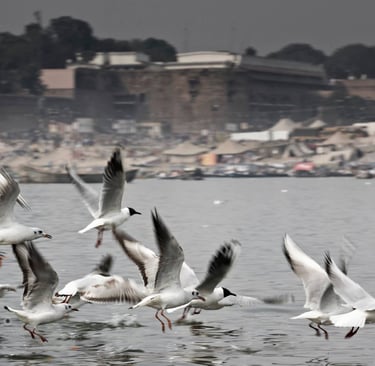
Seaguls flying over the ganges river
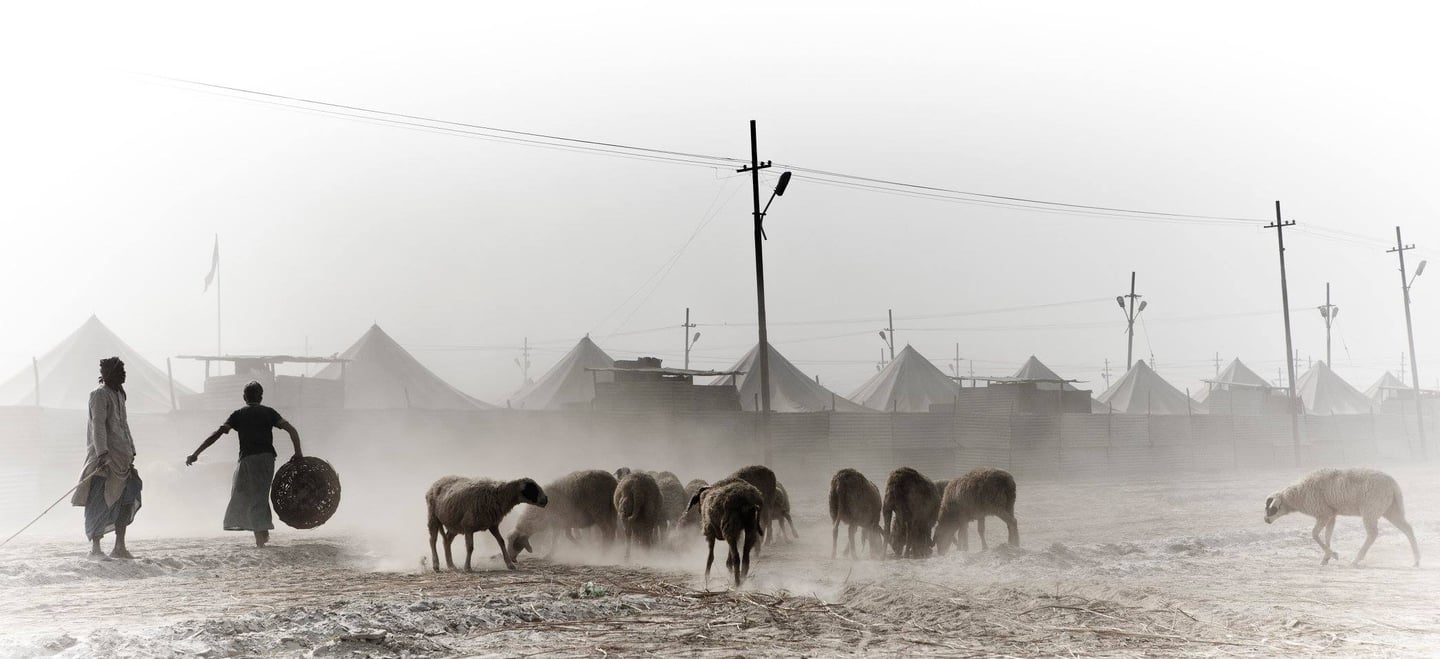
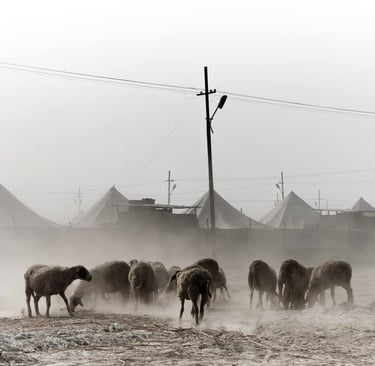
Herding sheep at the Kumbh Mela
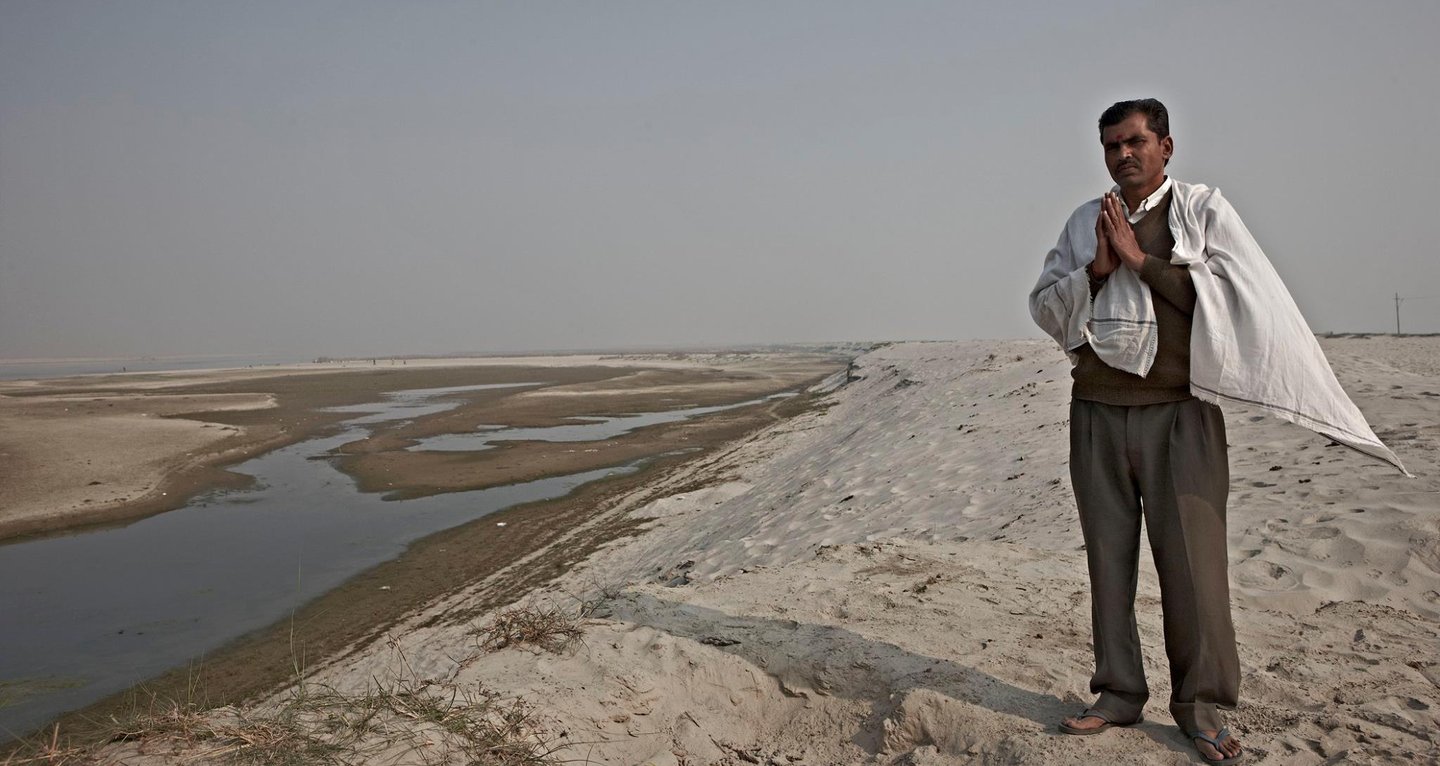
Prying at the dry riverbed
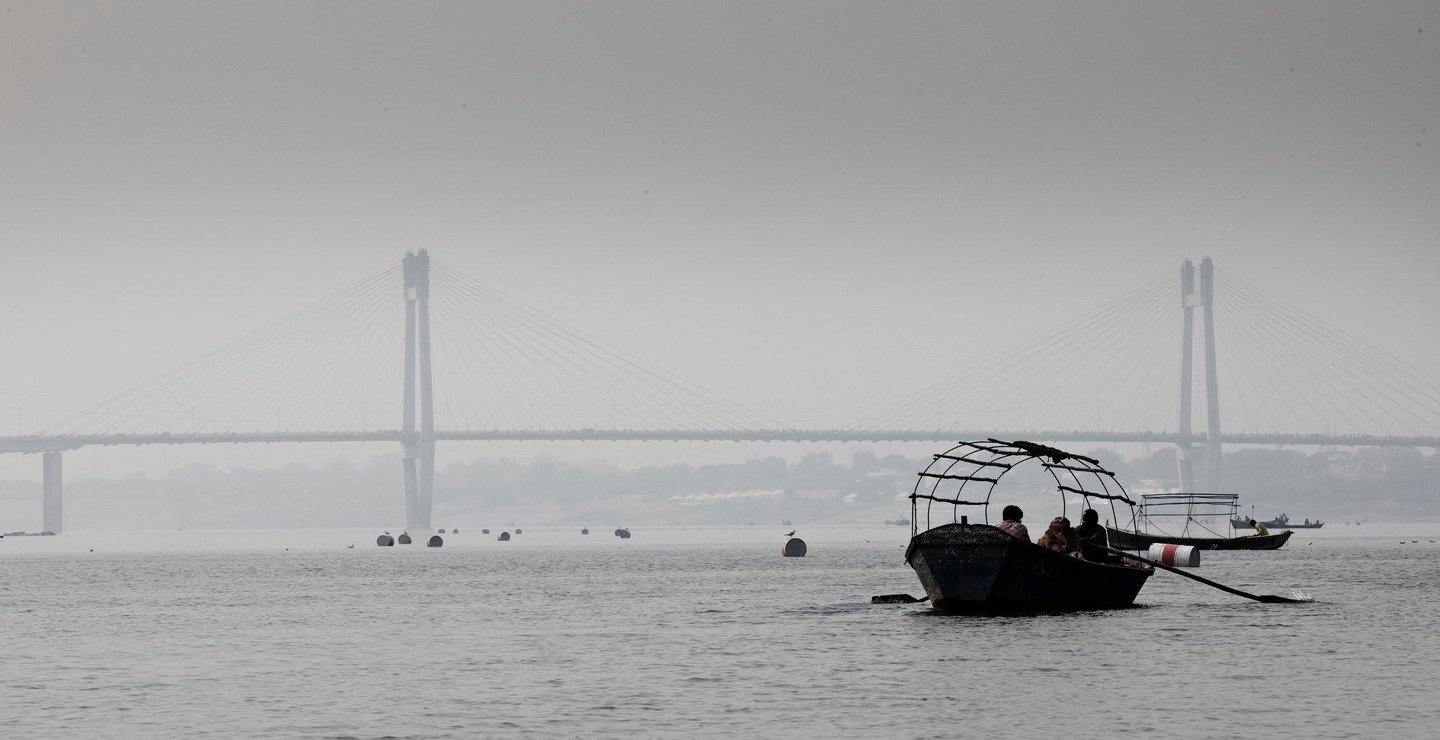
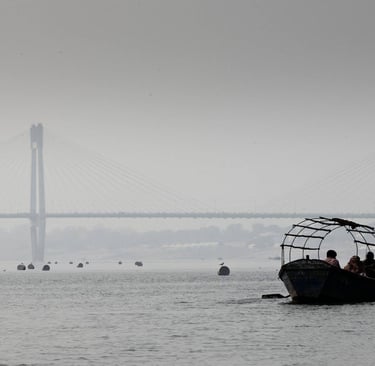
Boat on the Yamuna river
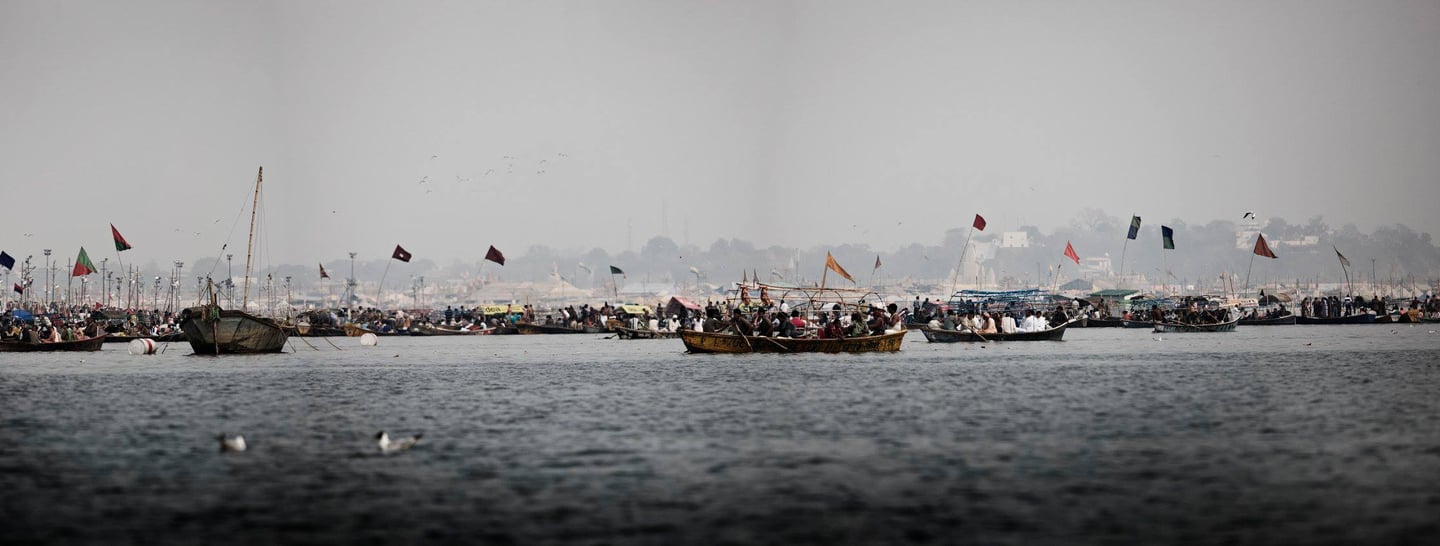
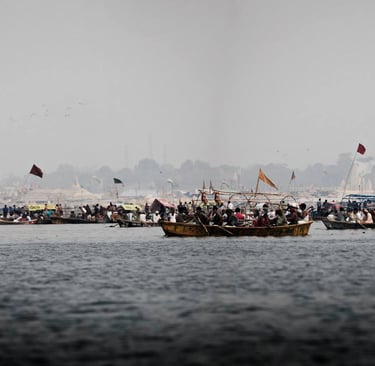
Boats of praying devotees on the Ganges River
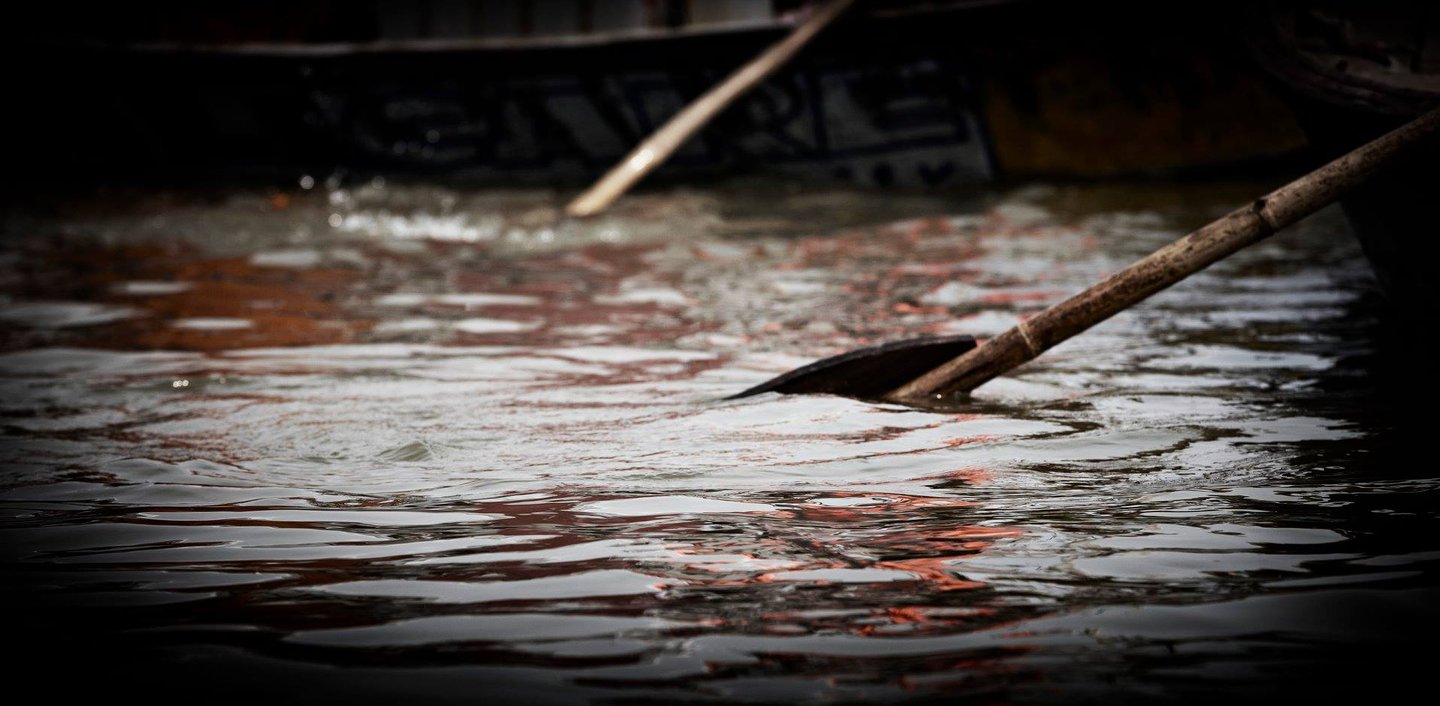
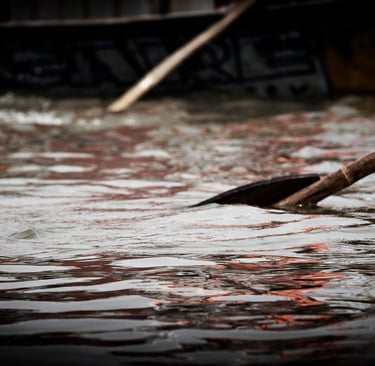
Sailing on the Ganges River
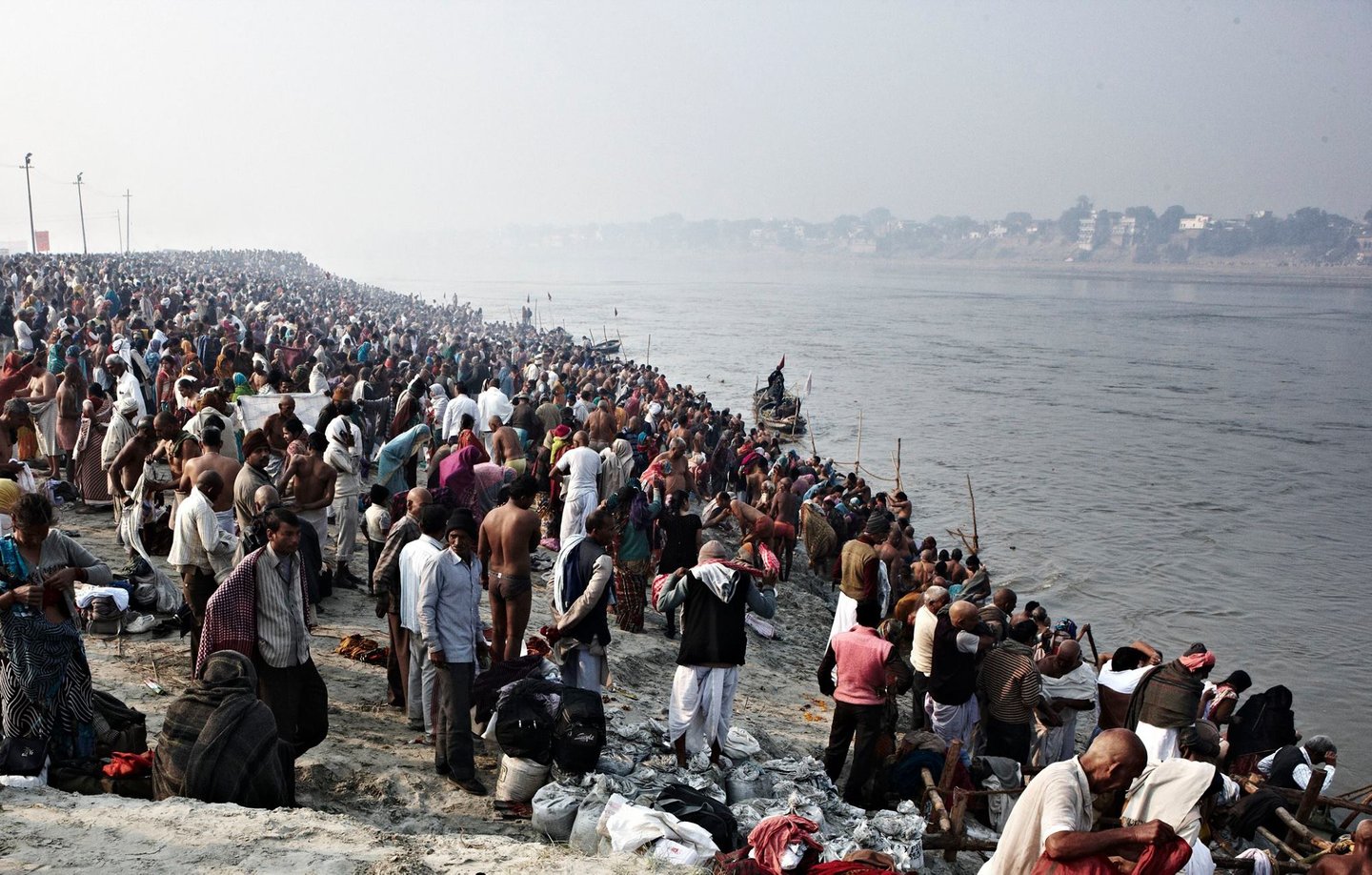
Bathing the holy bath in Ganges River
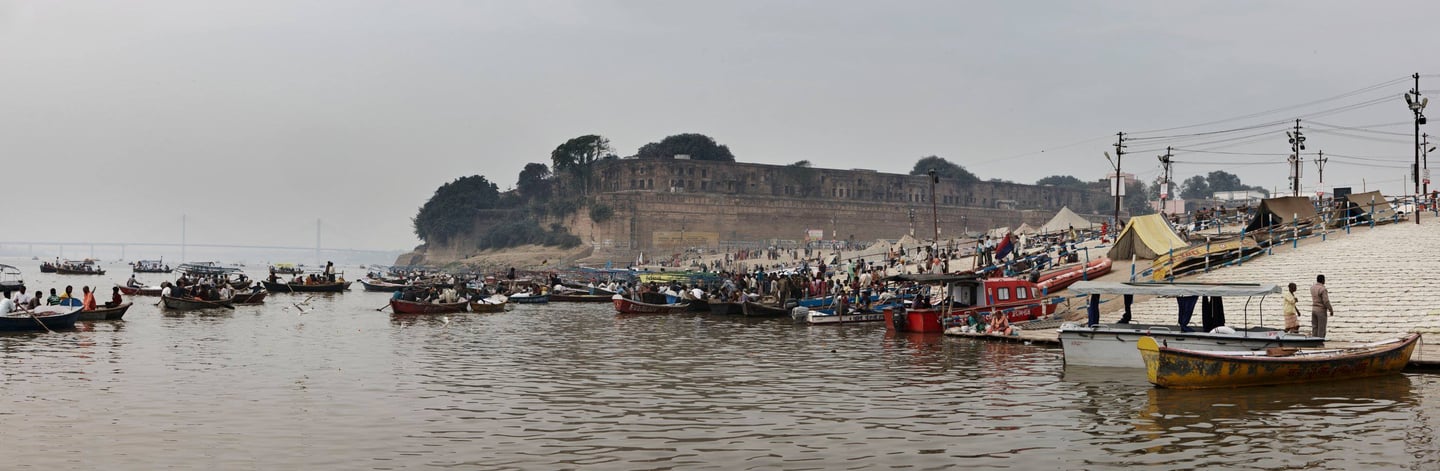
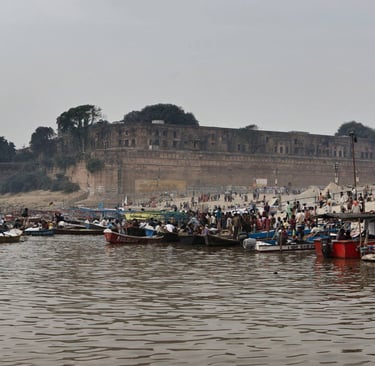
The Fort of Allahabad
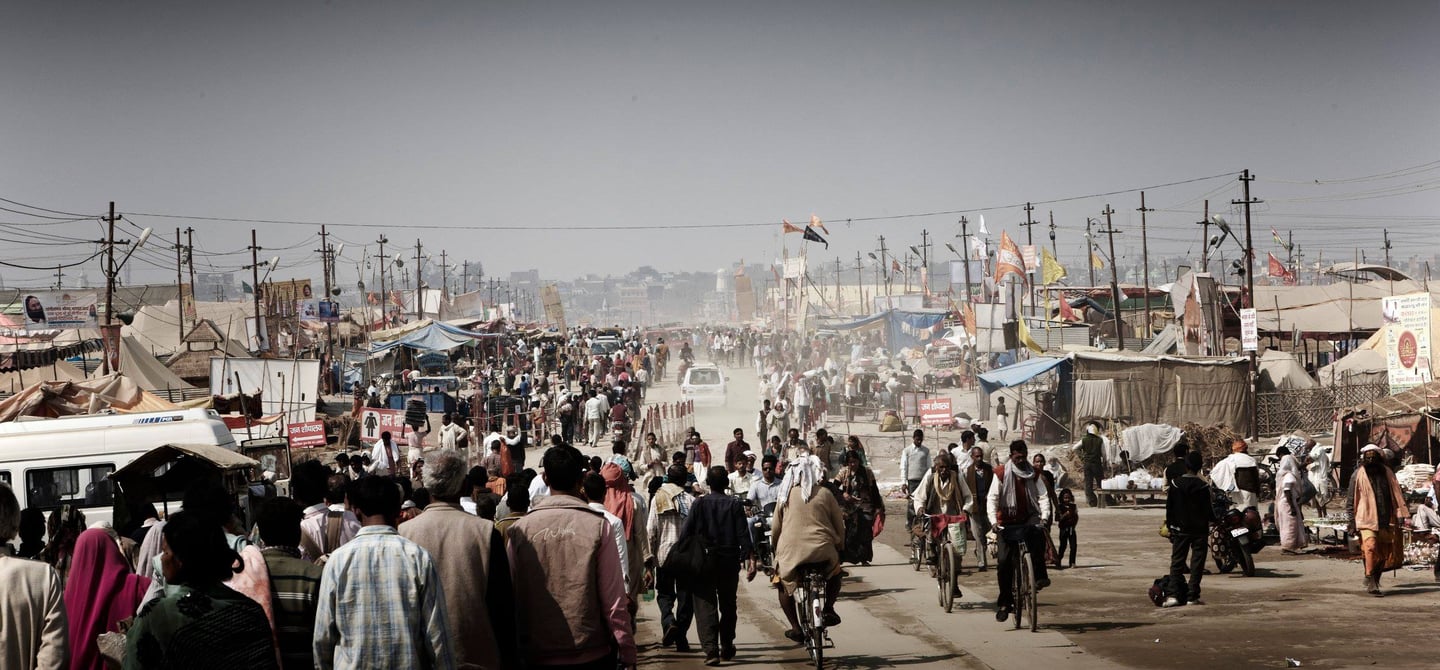
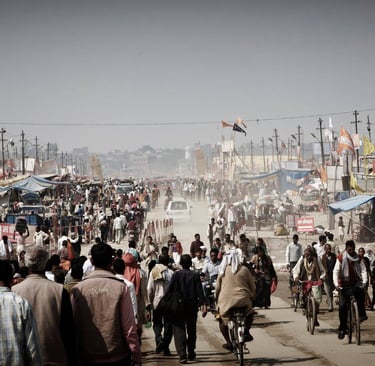
The streets of the Kumbh Mela
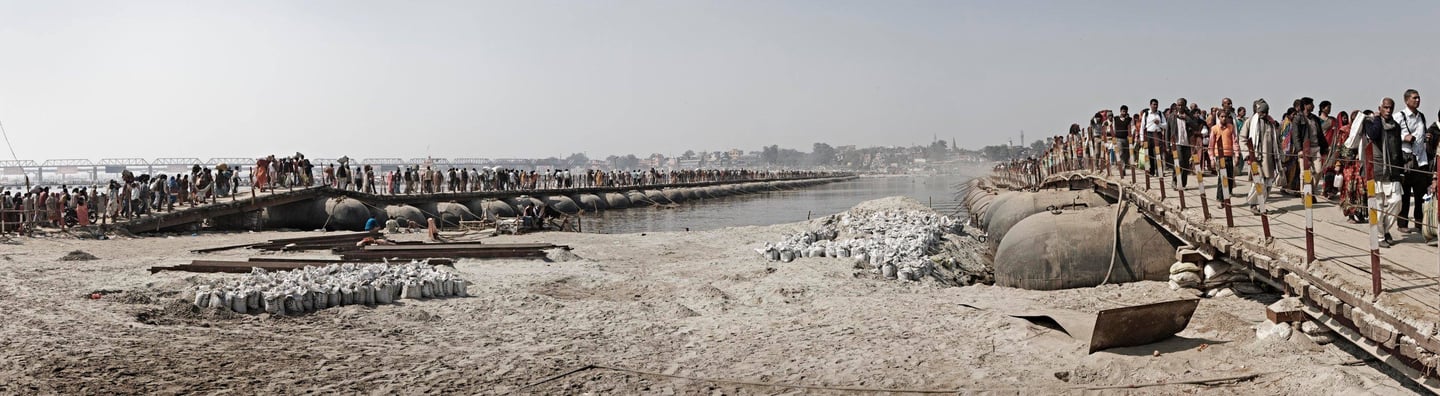
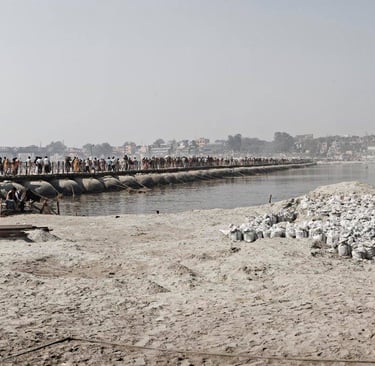
The floating bridges of the Kumbh Mela
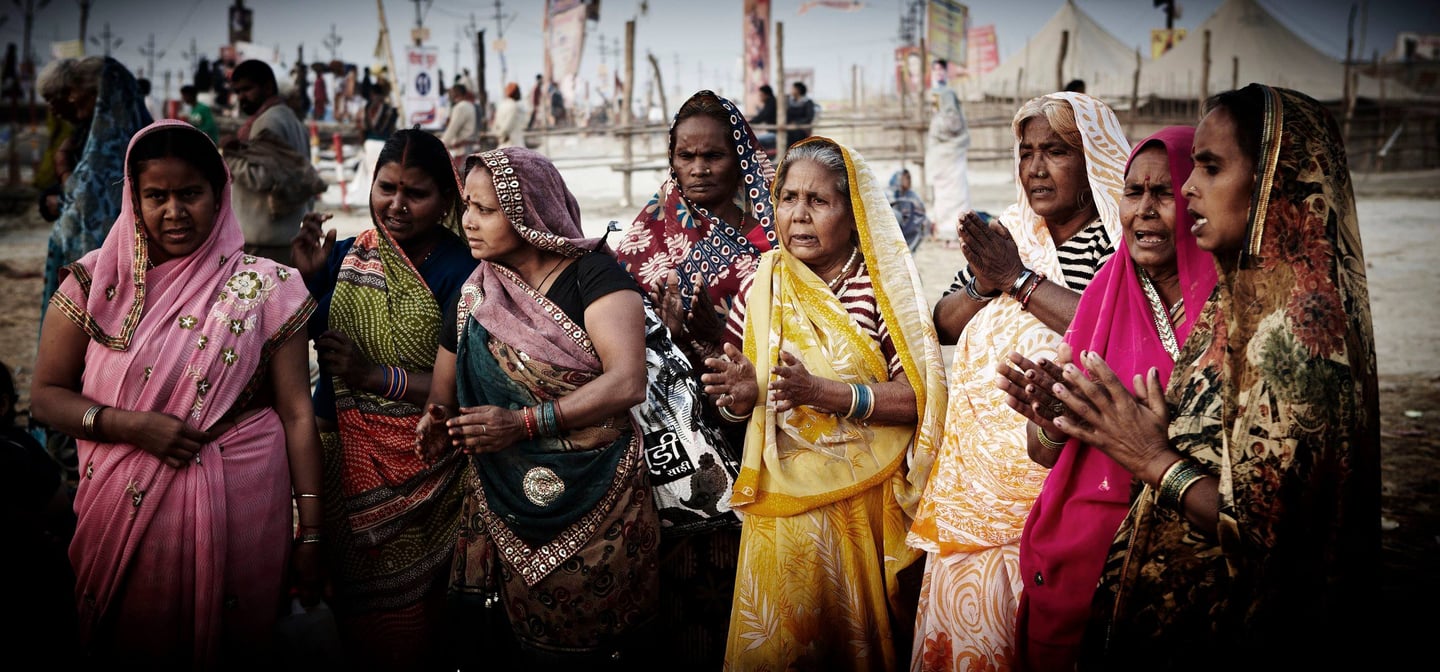
Praying
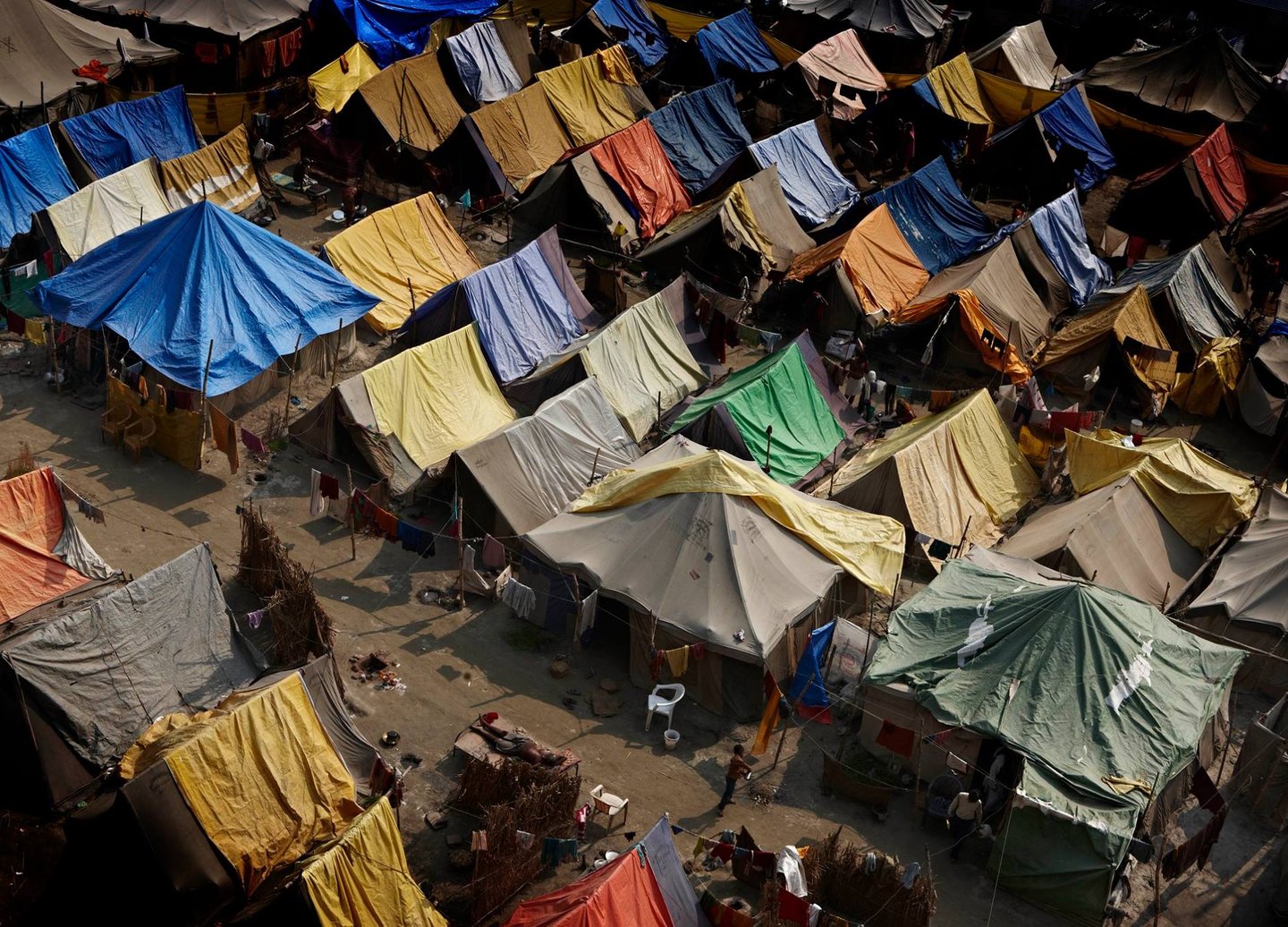
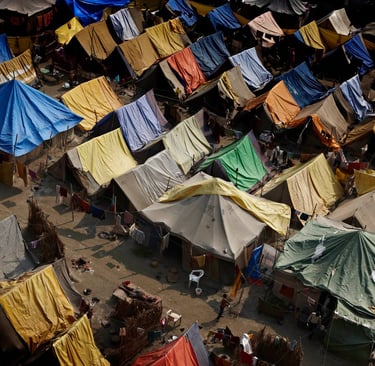
The tented city of the Kumbh Mela
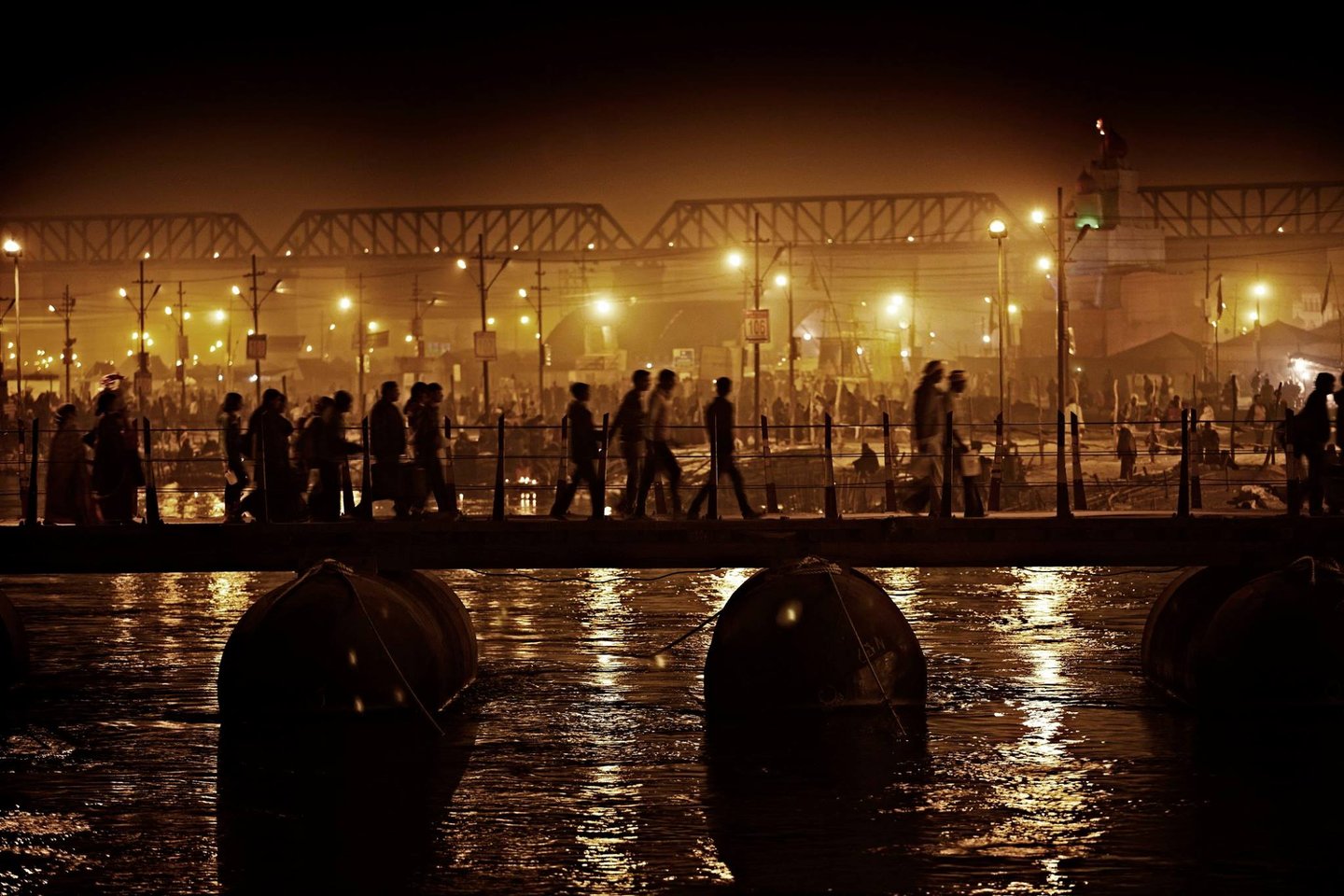
River crossing at night
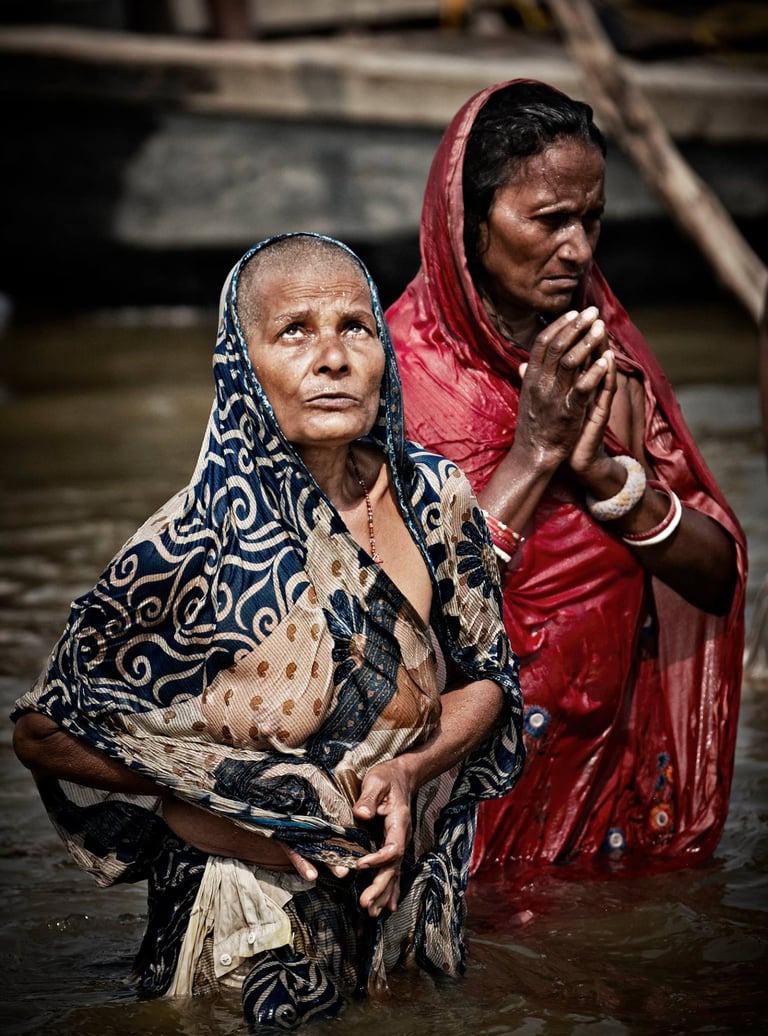
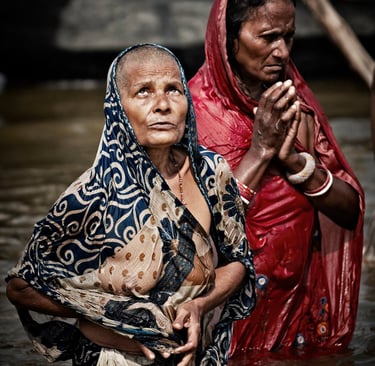
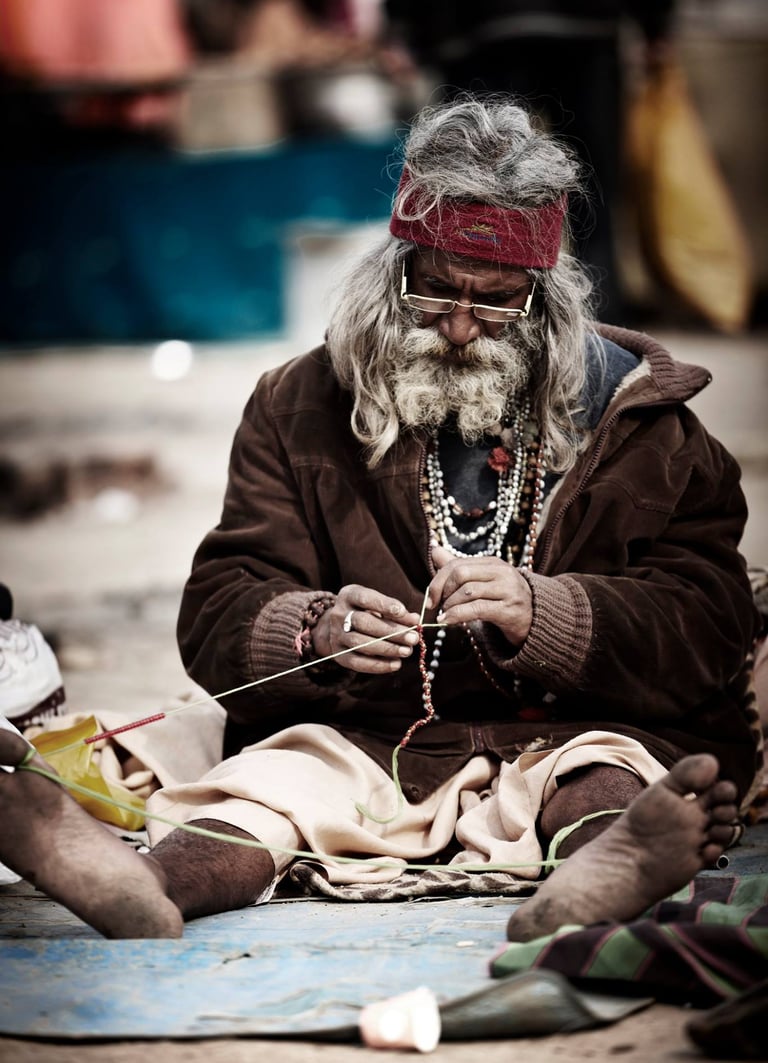
Praying
Fixing the apparal
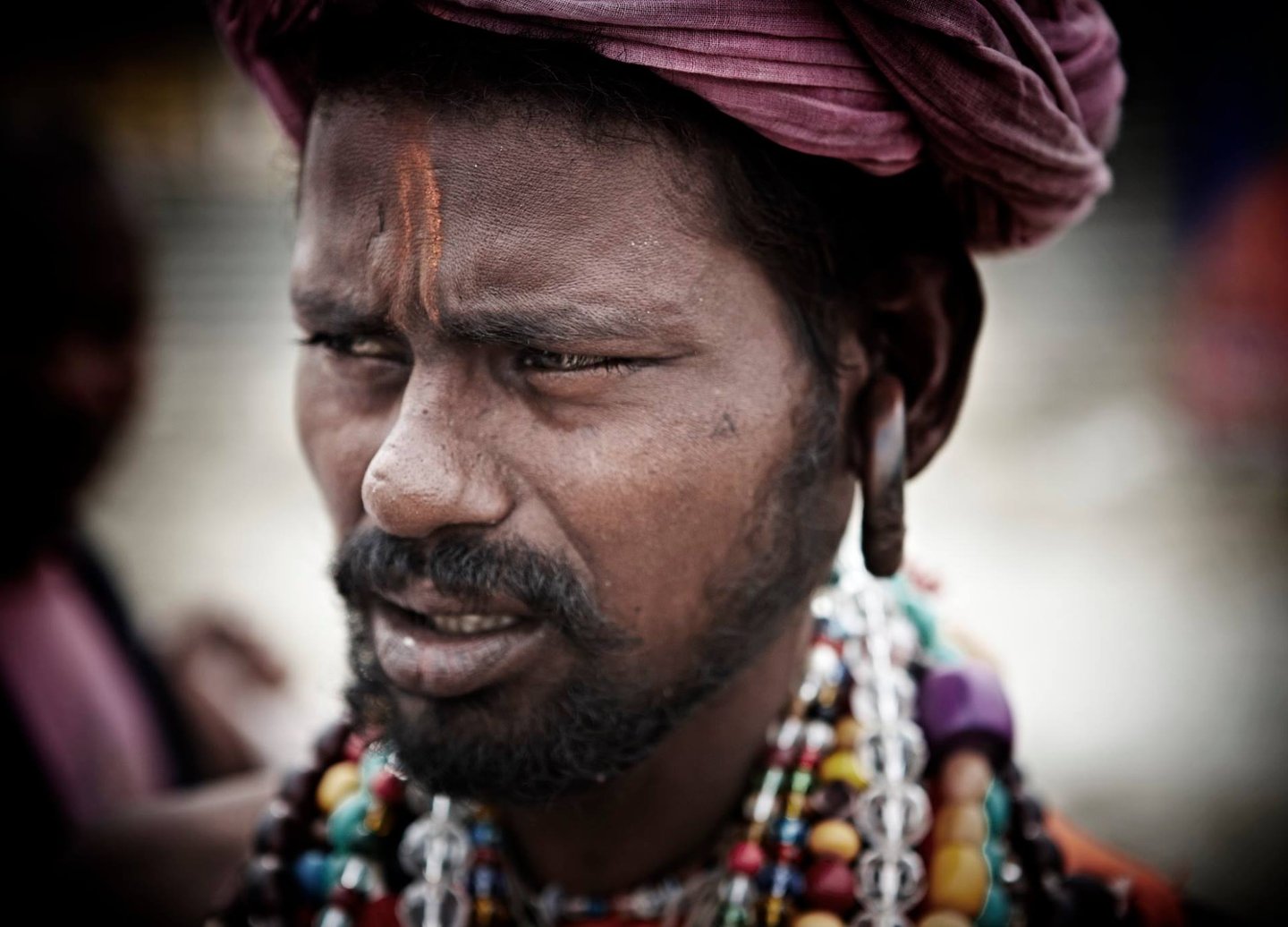
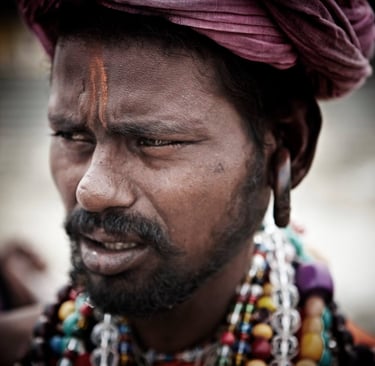
Portraits
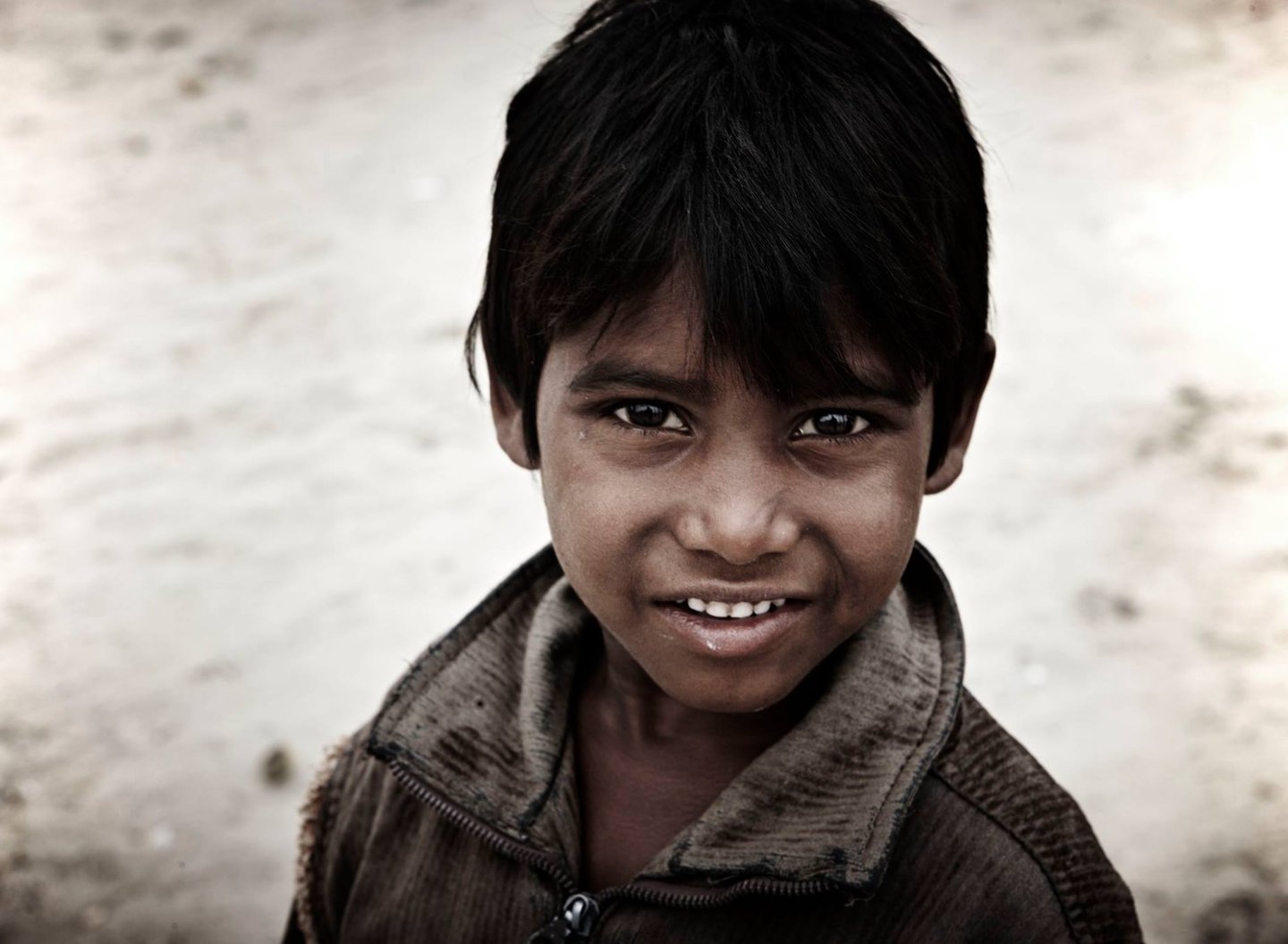
Portraits
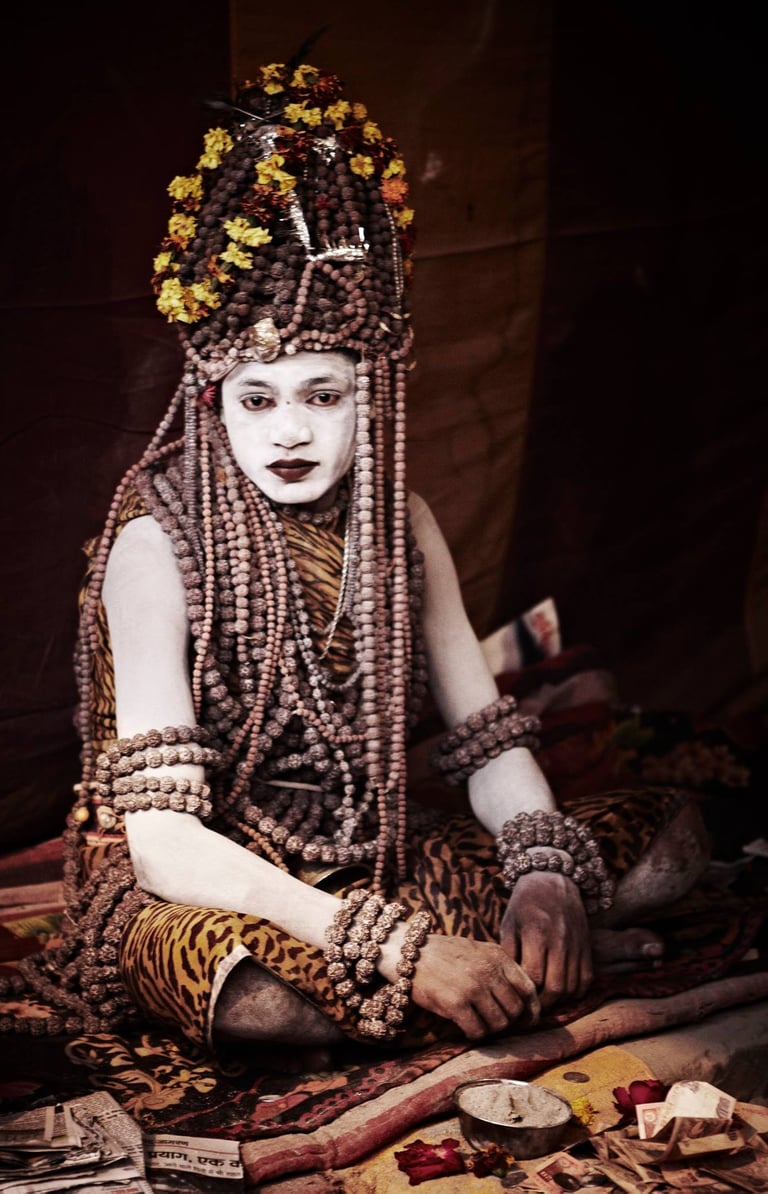
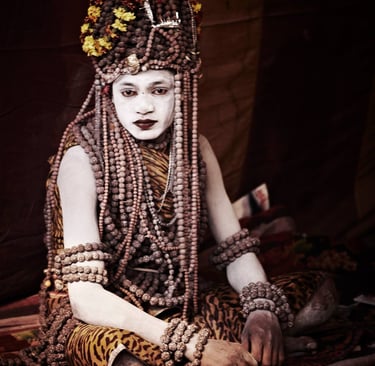
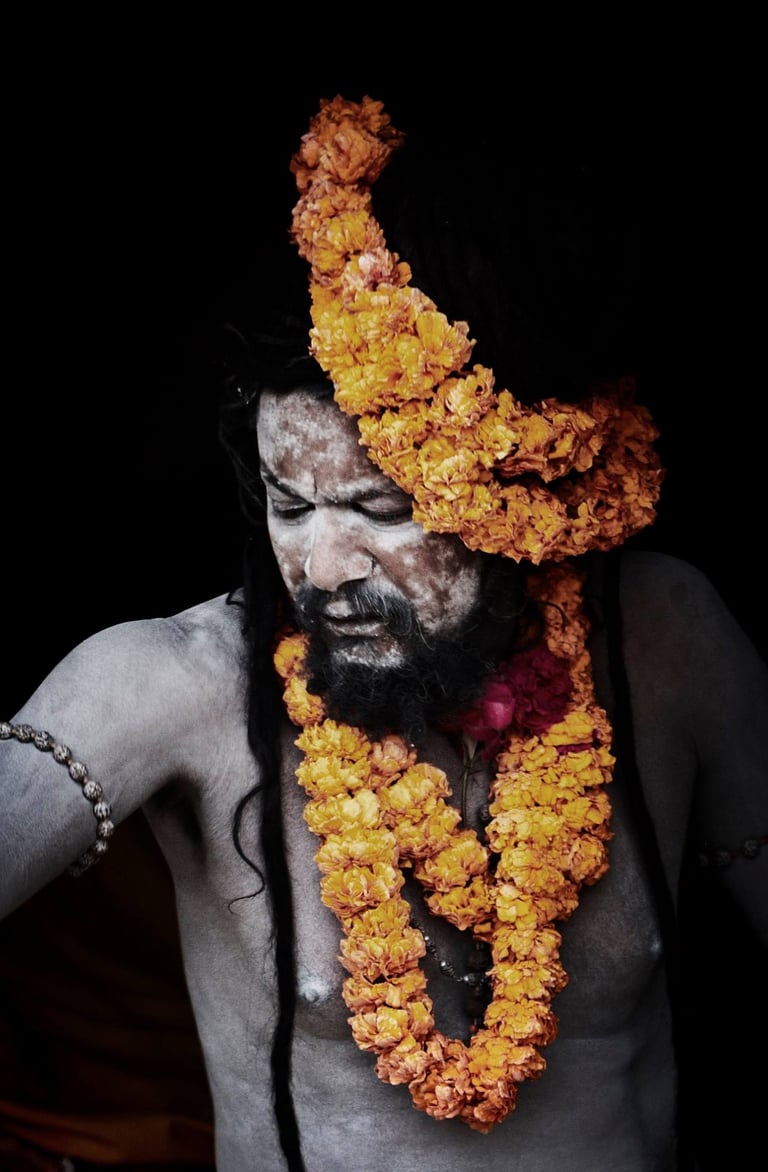
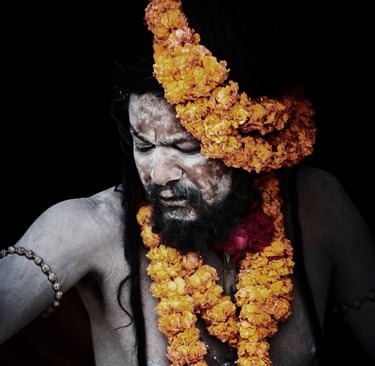
Portraits
Portraits
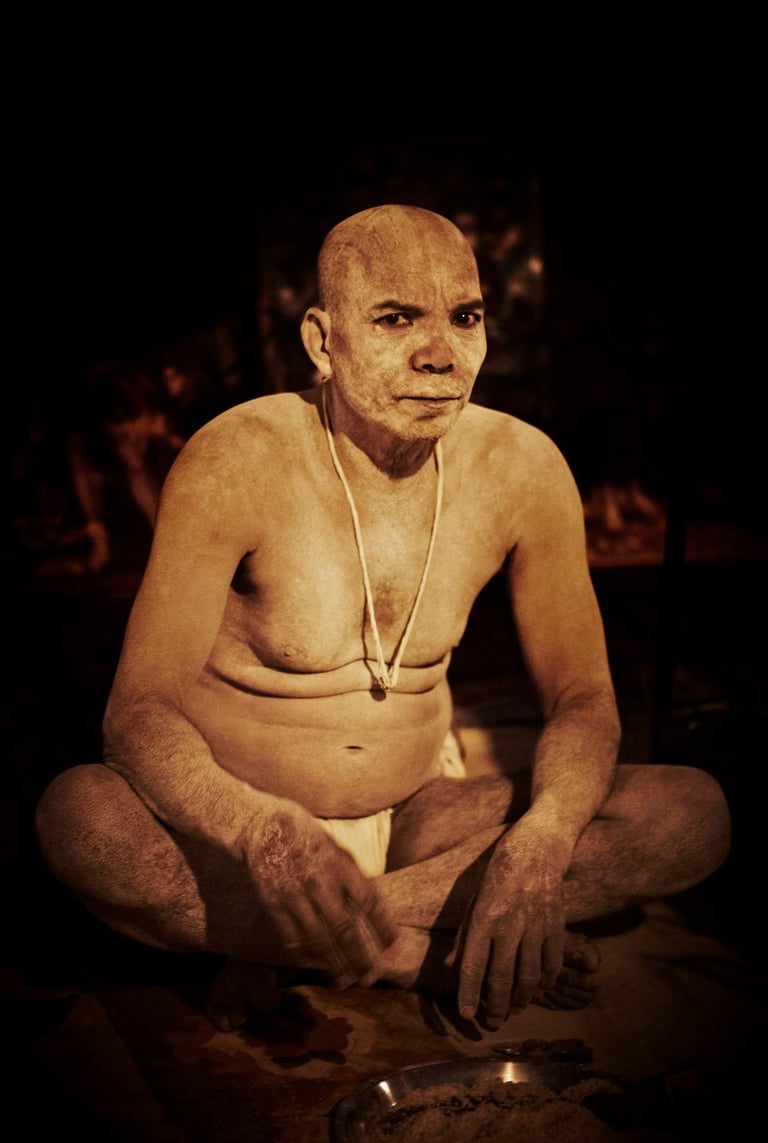
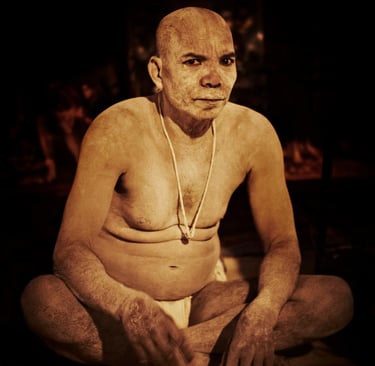
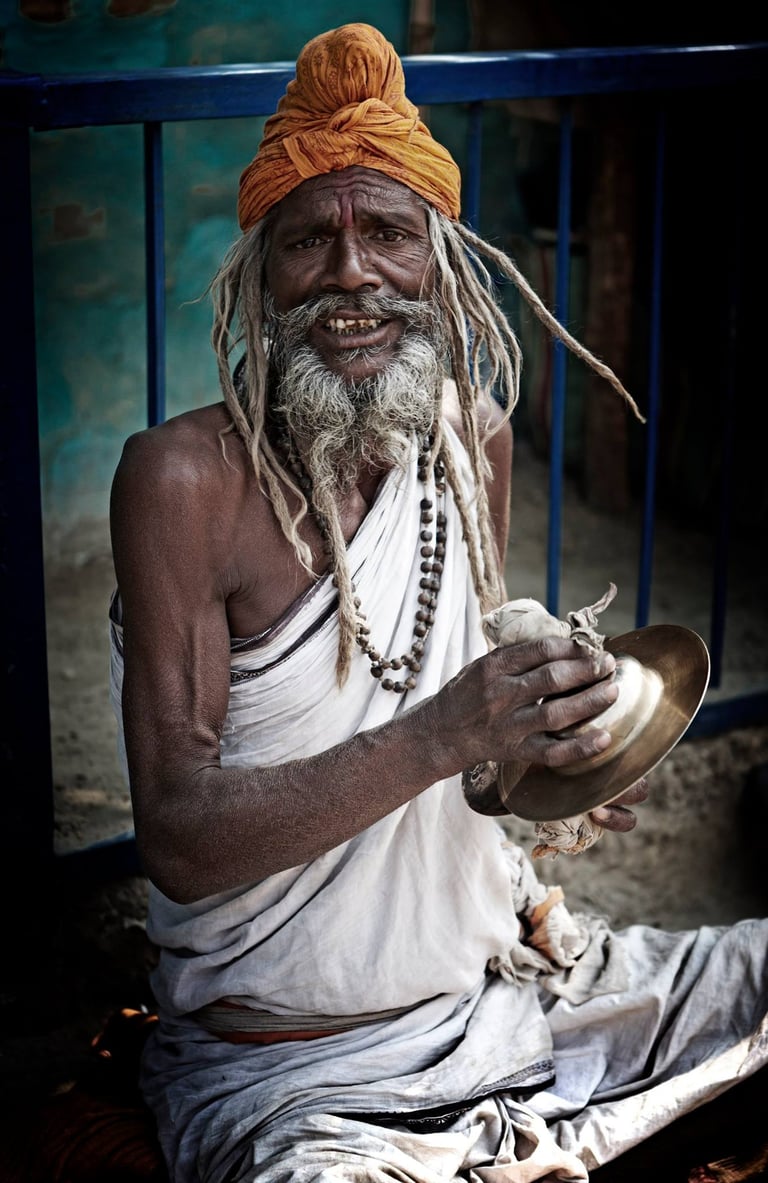
Portraits
Portraits
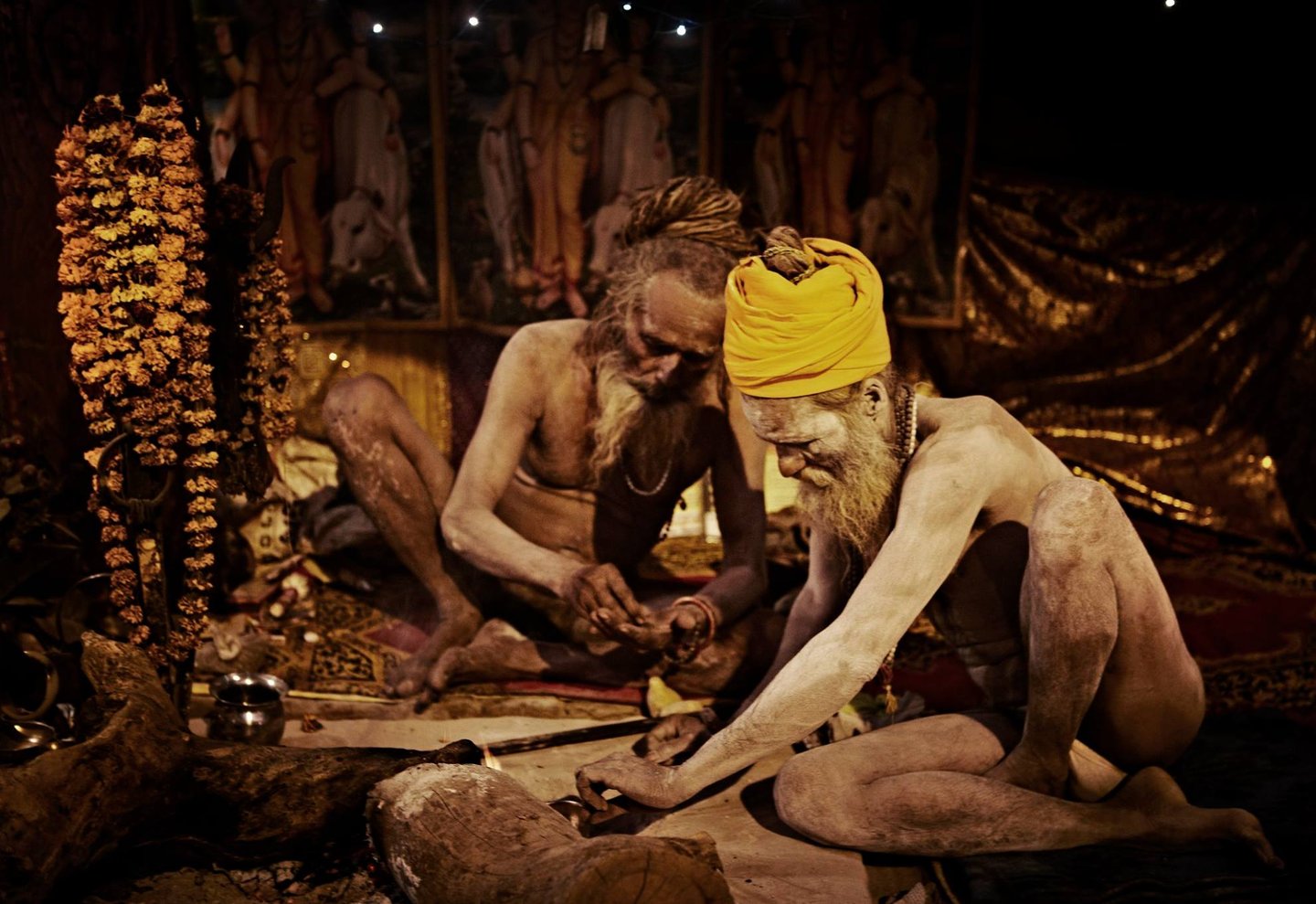
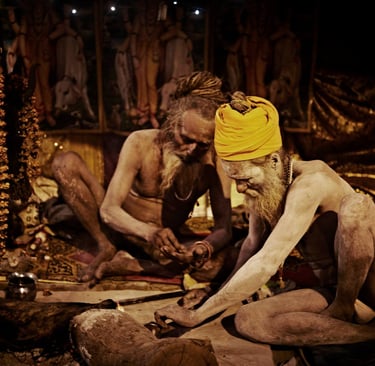
Preparing the "journey"
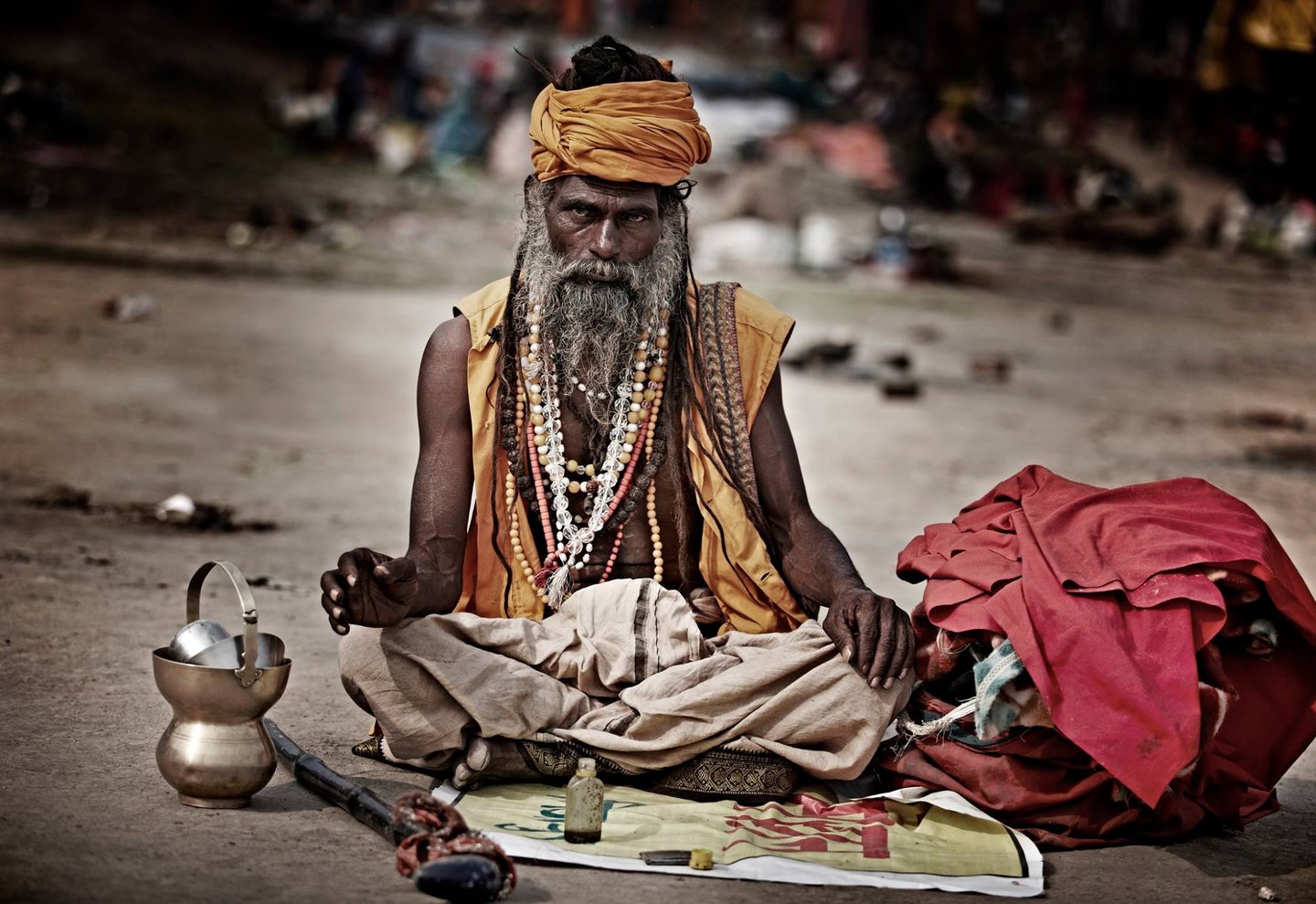
Portraits
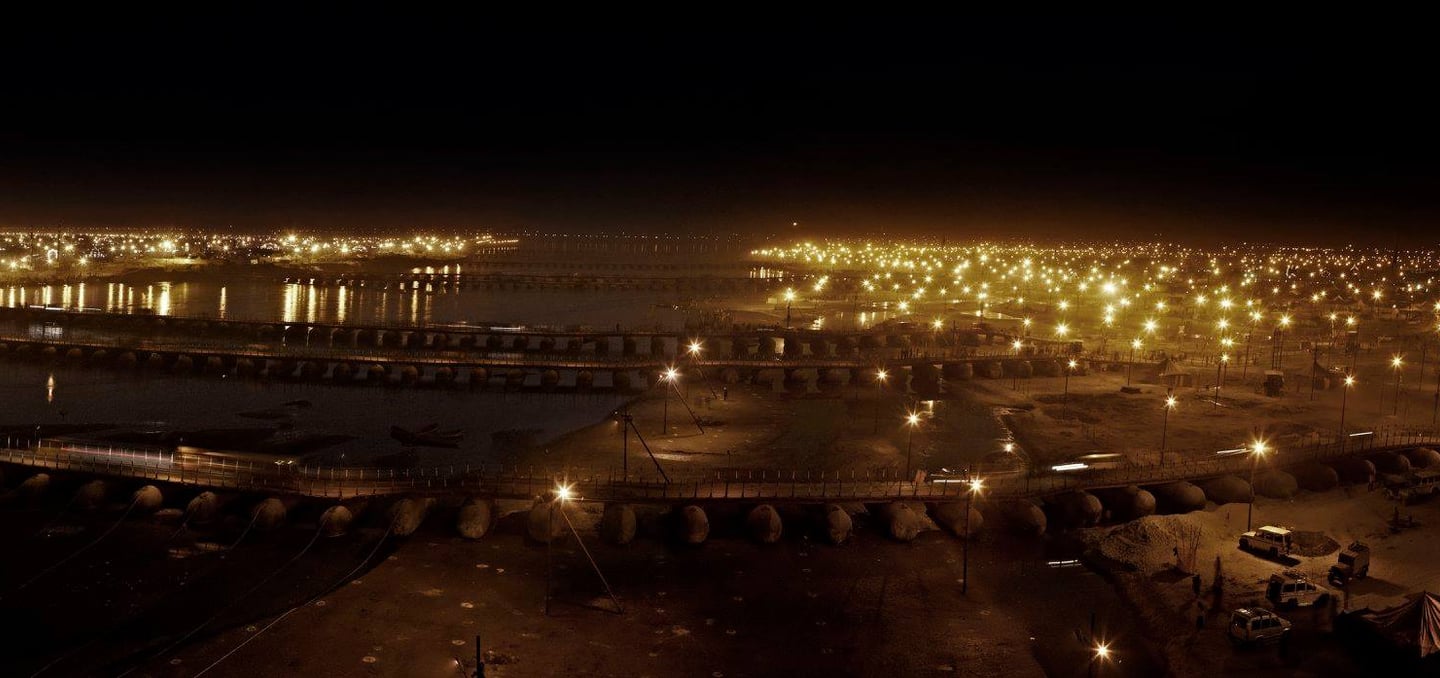
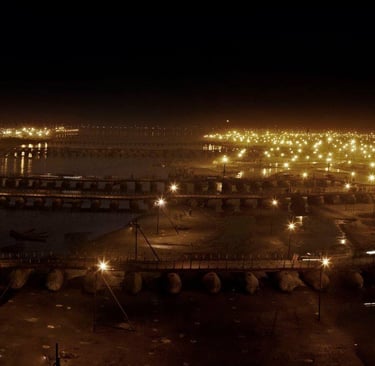
The floating bridges of Kumbh Mela
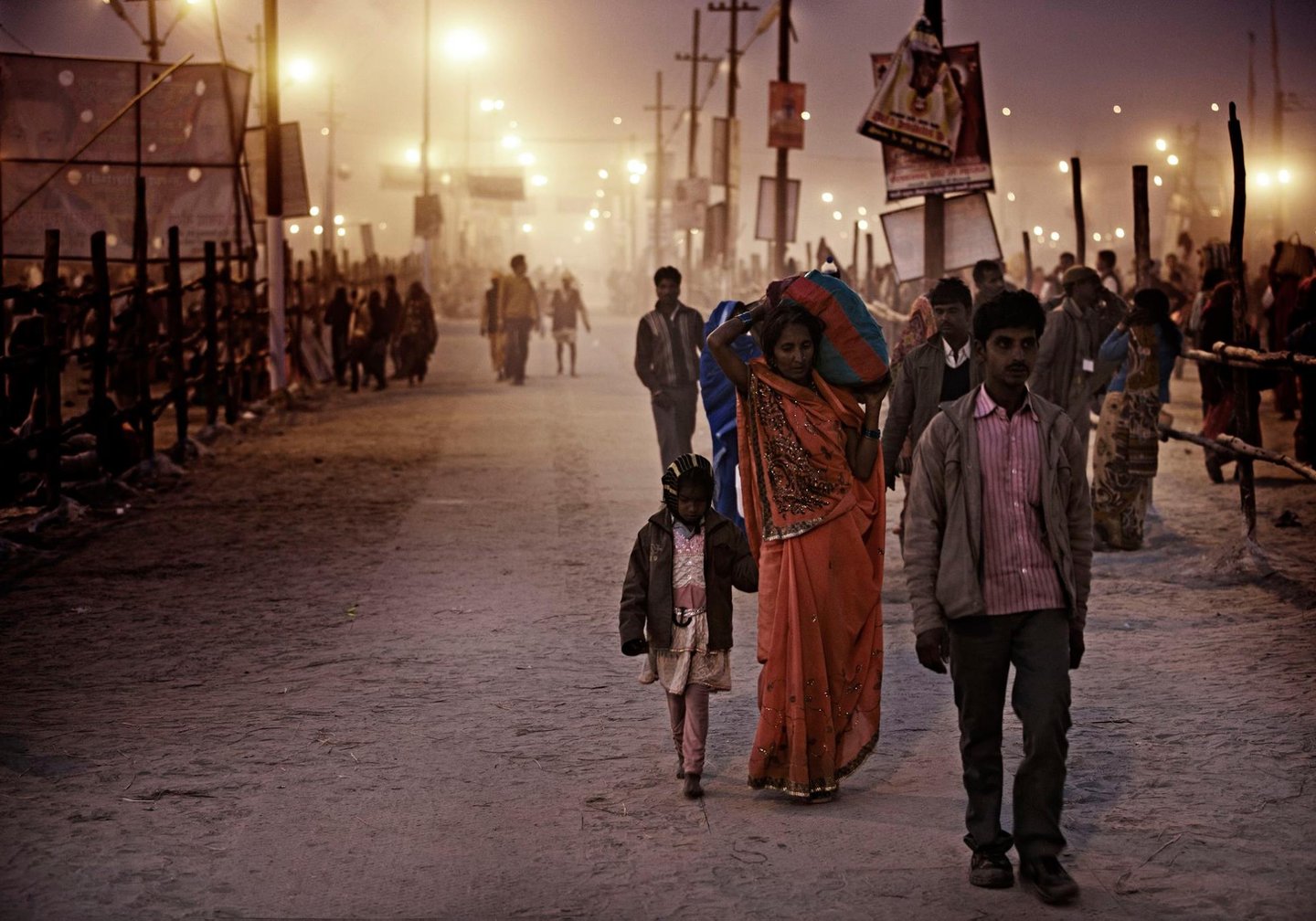
The streets of Kumbh Mela
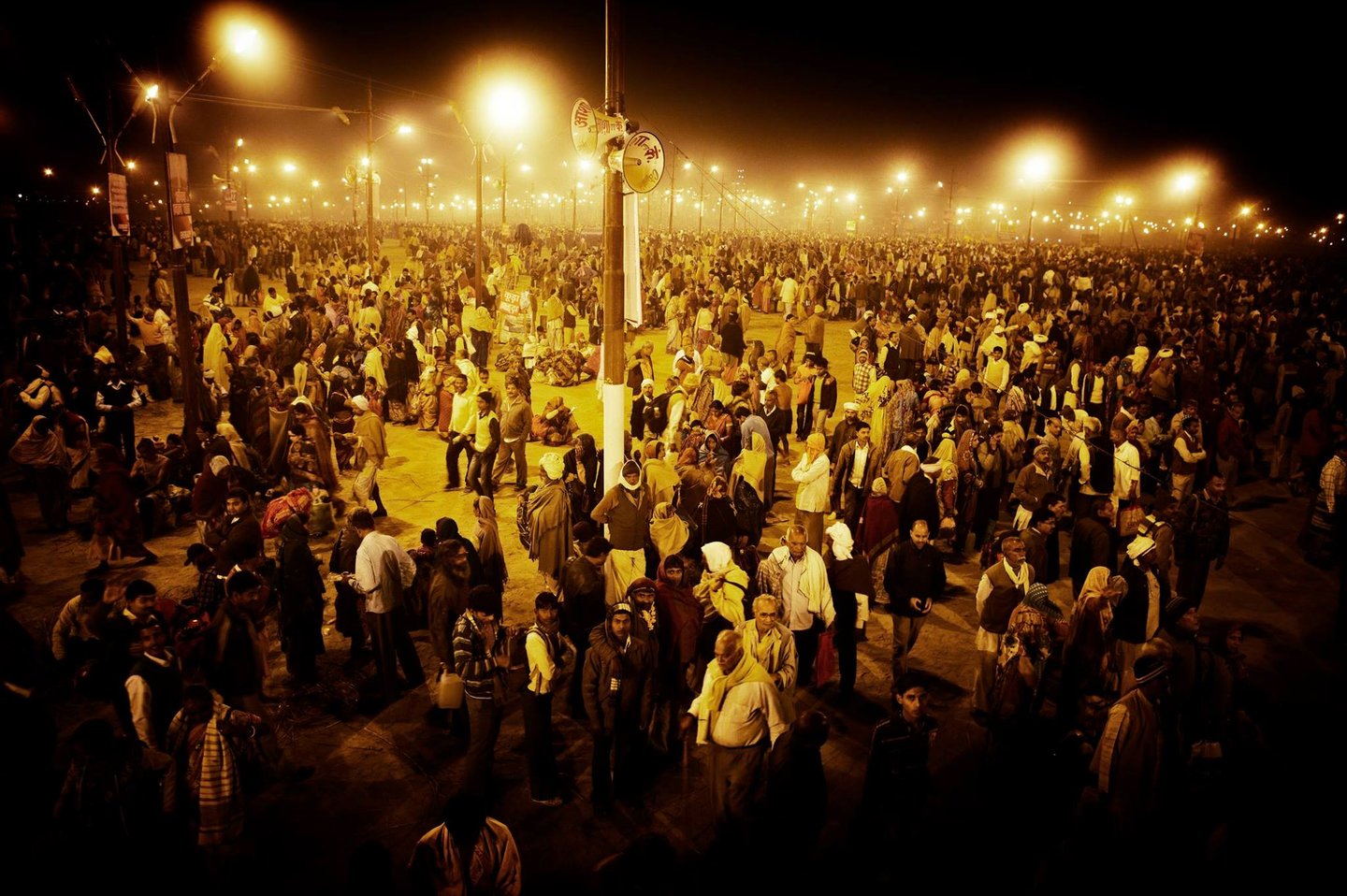
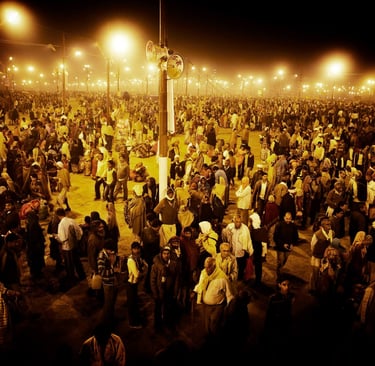
Devotees
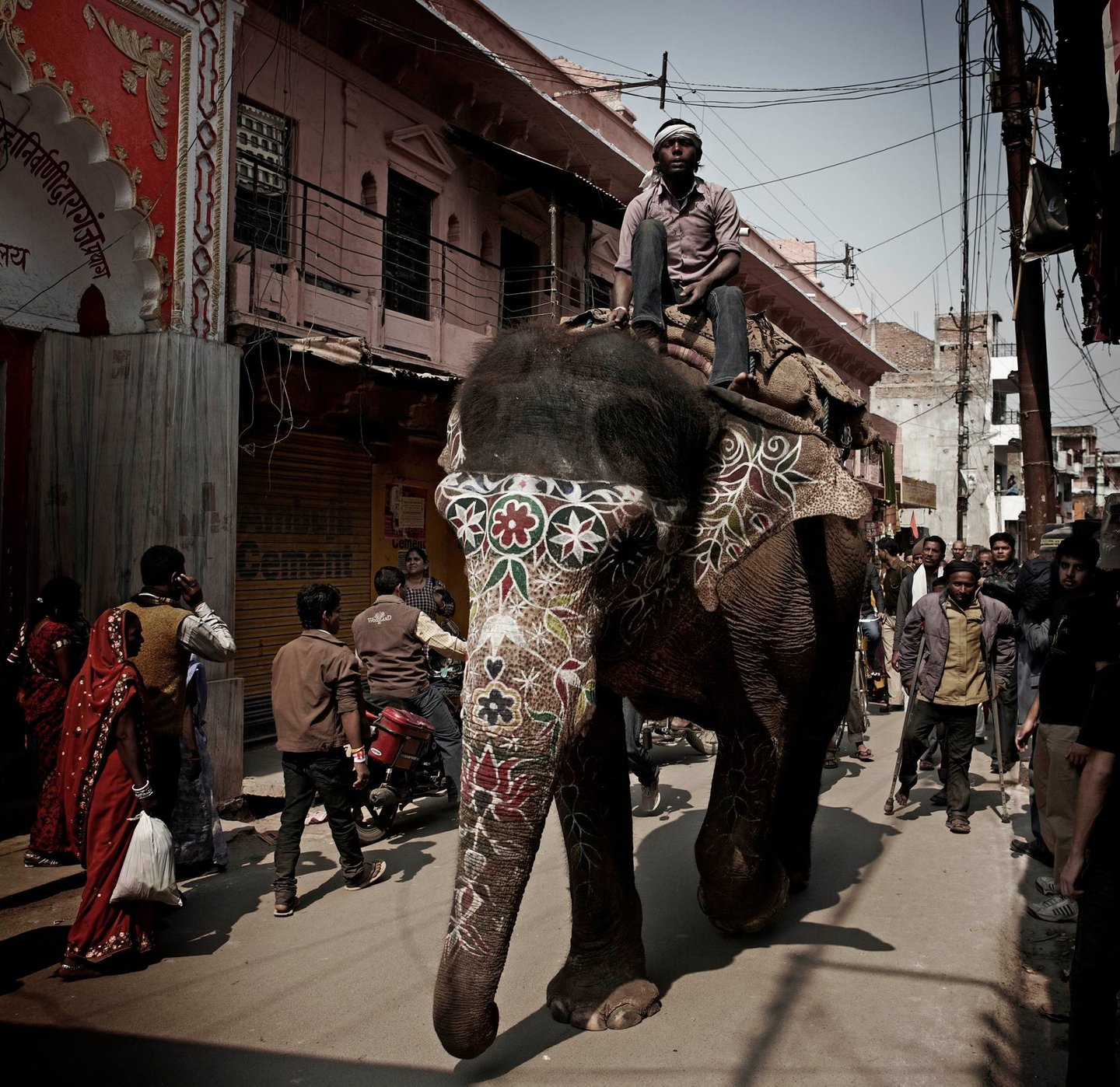
Elephants roaming the streets of Allahabad
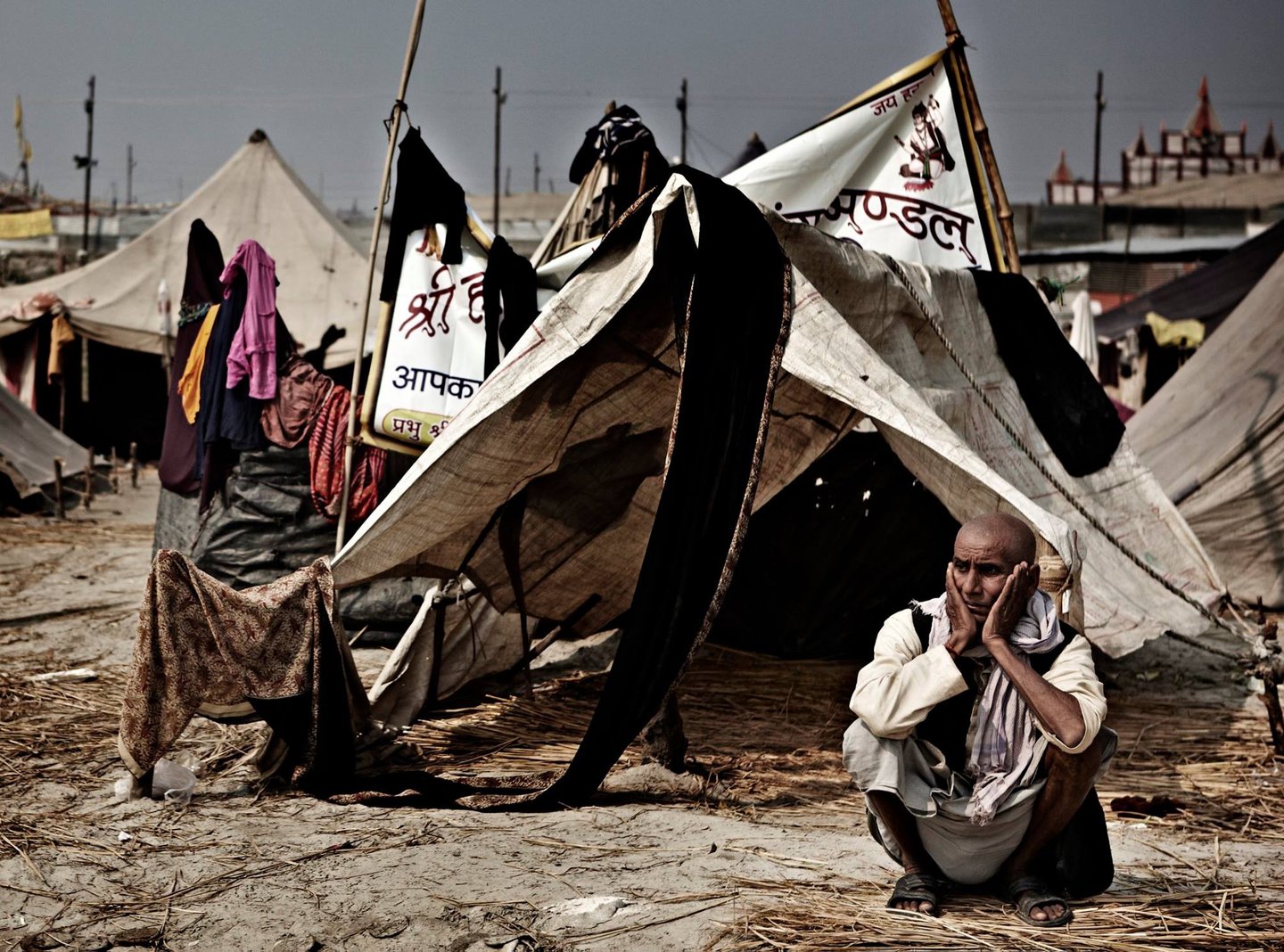
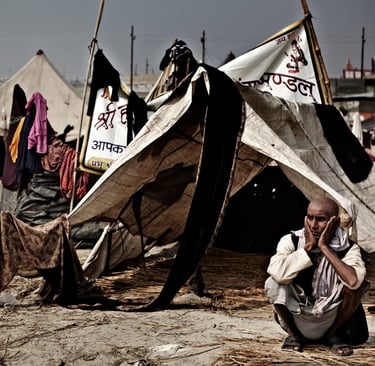
Waiting
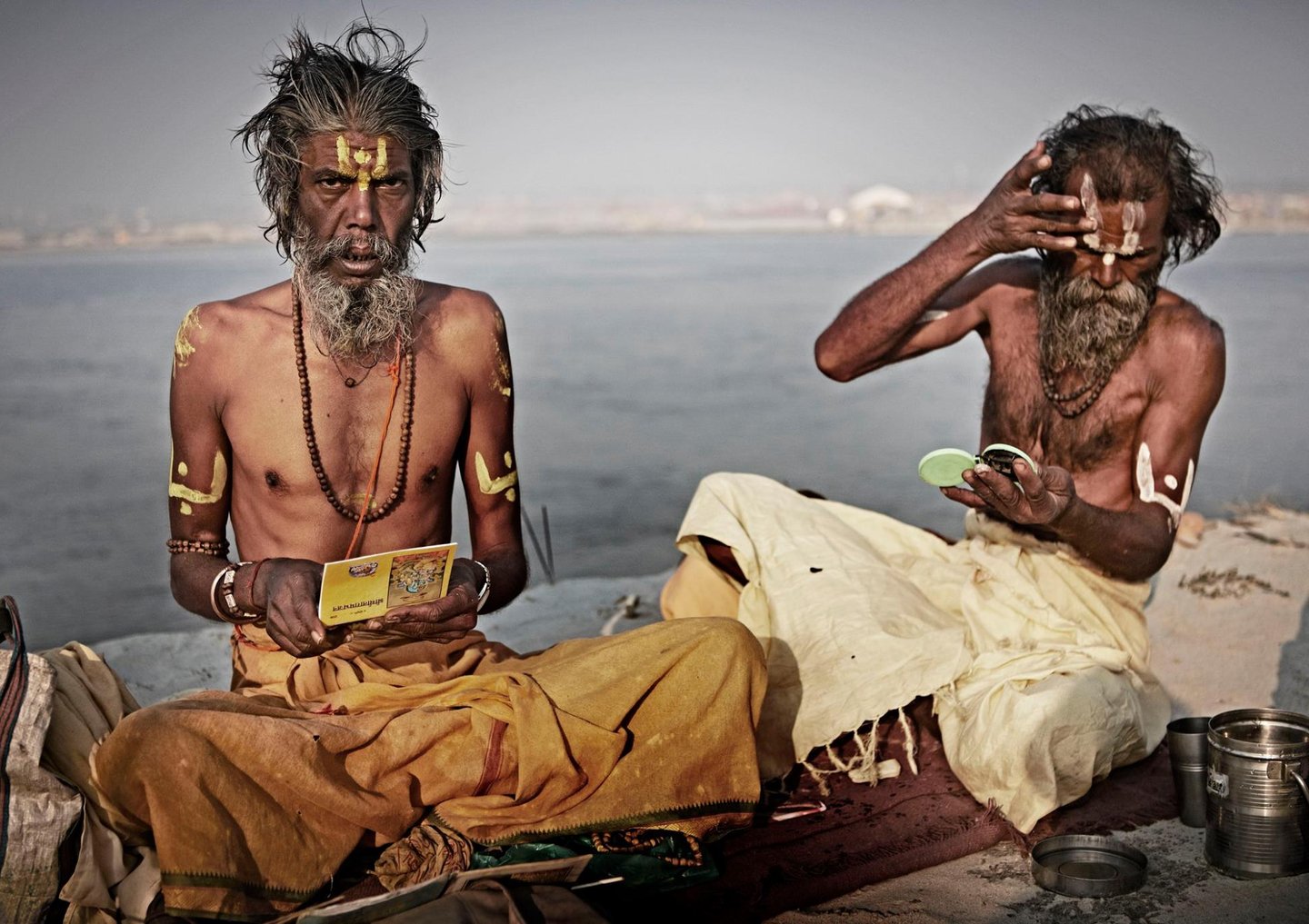
Makeup
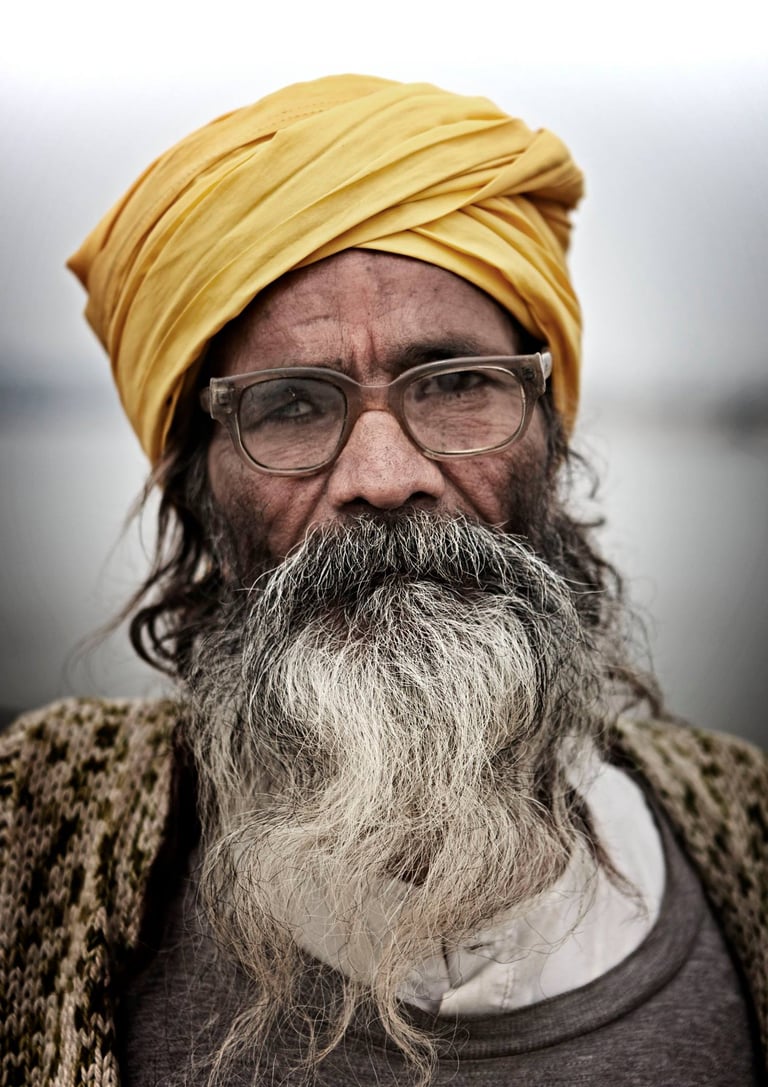
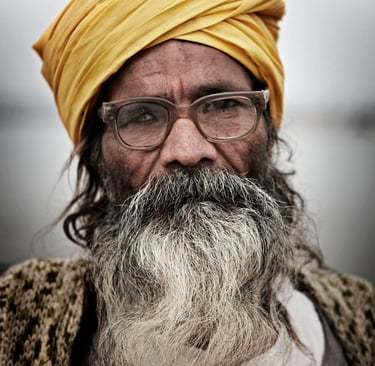
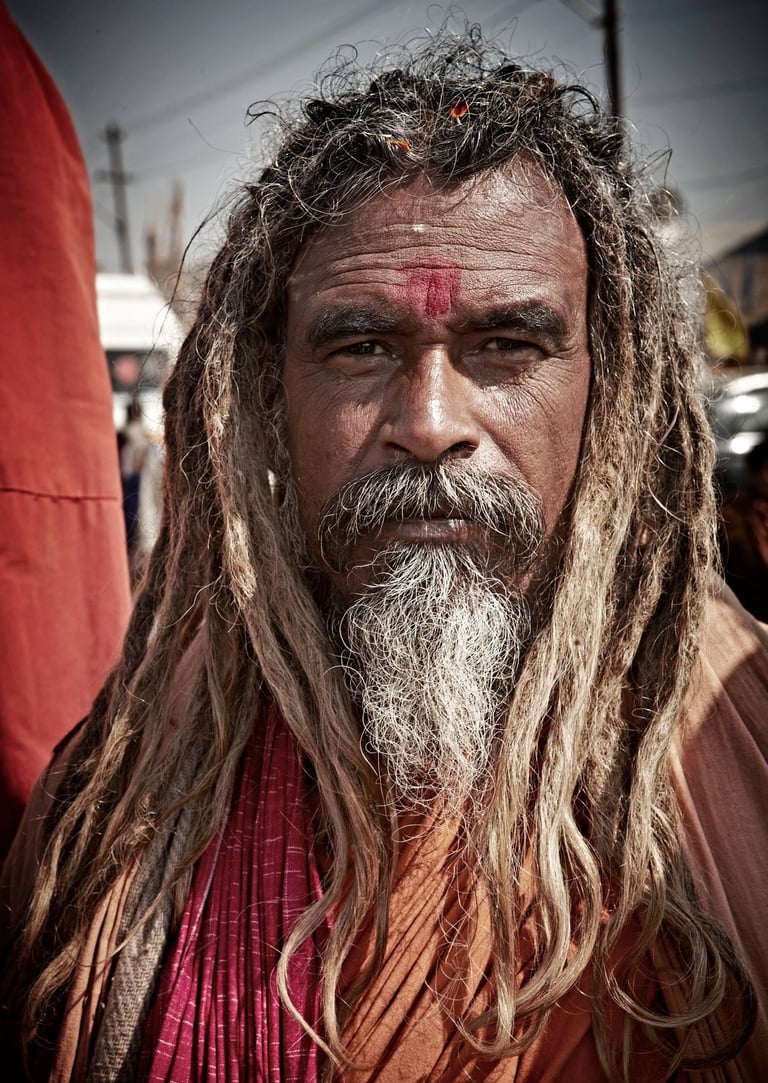
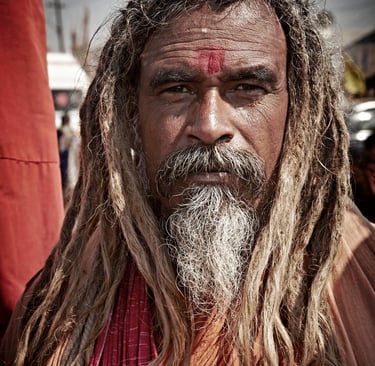
Portraits
Portraits
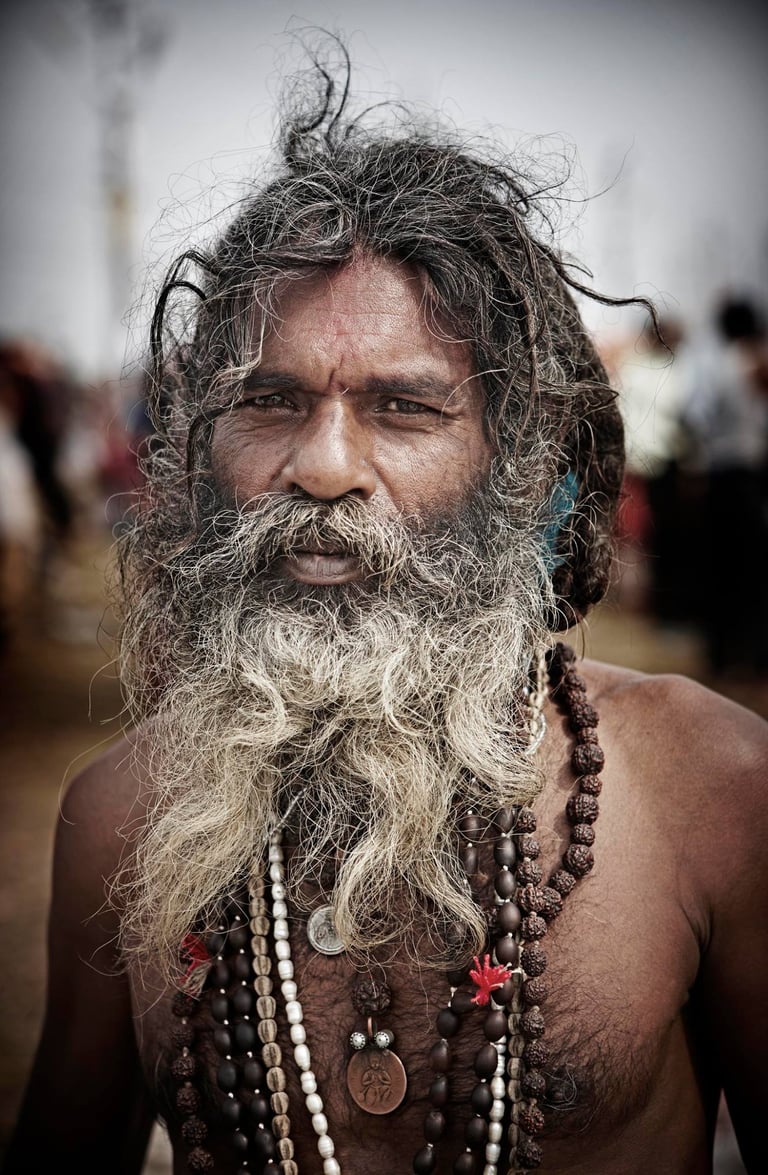
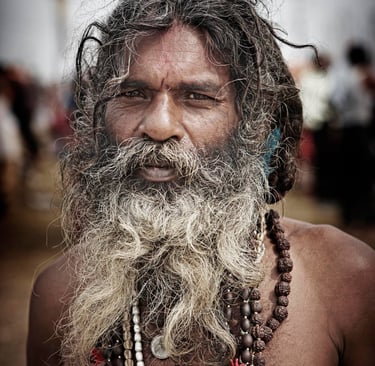
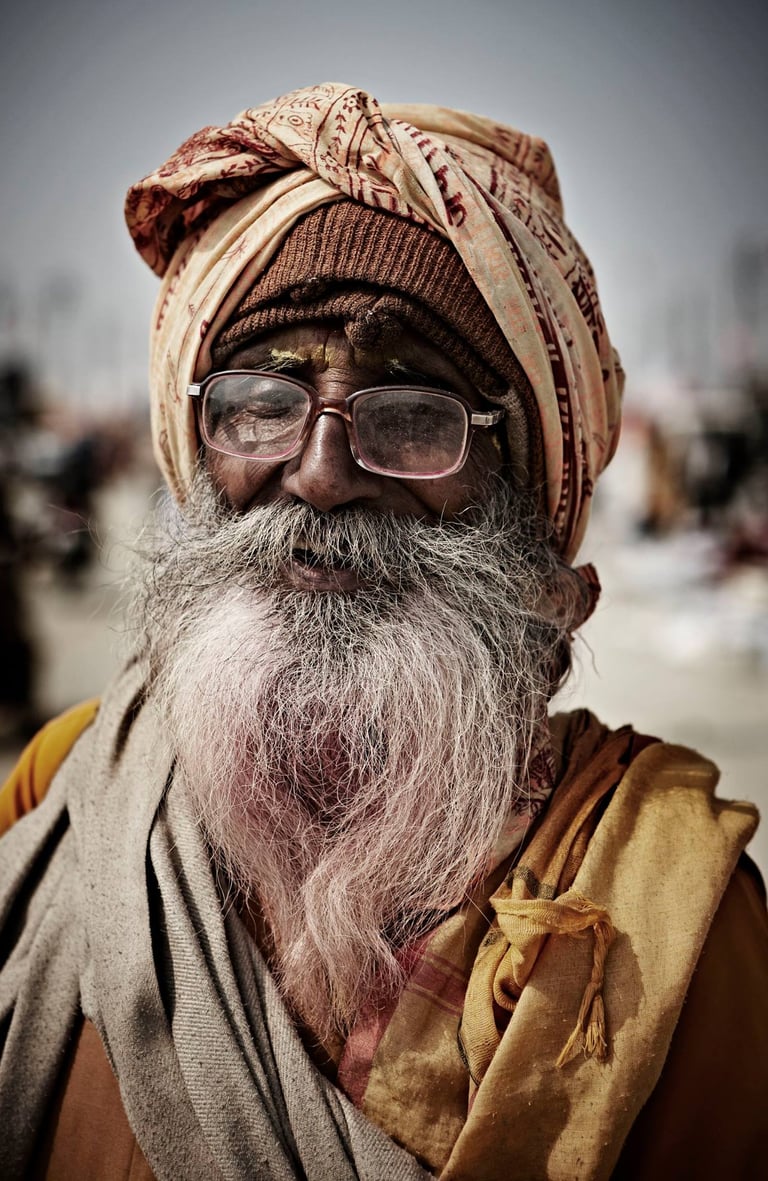
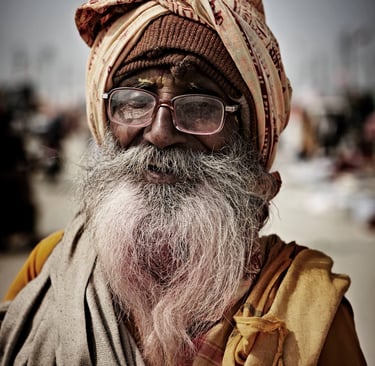
Portraits
Portraits
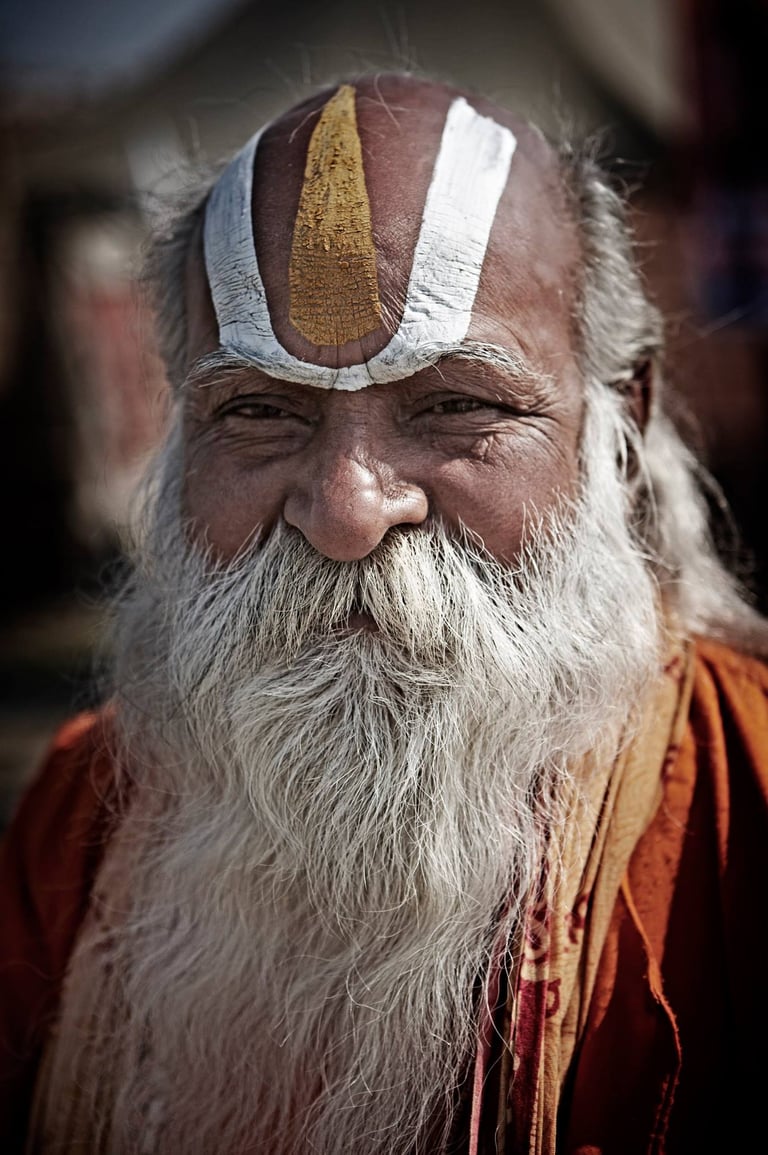
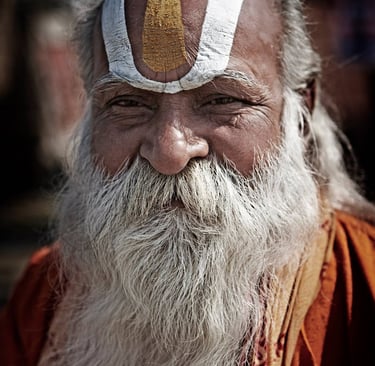
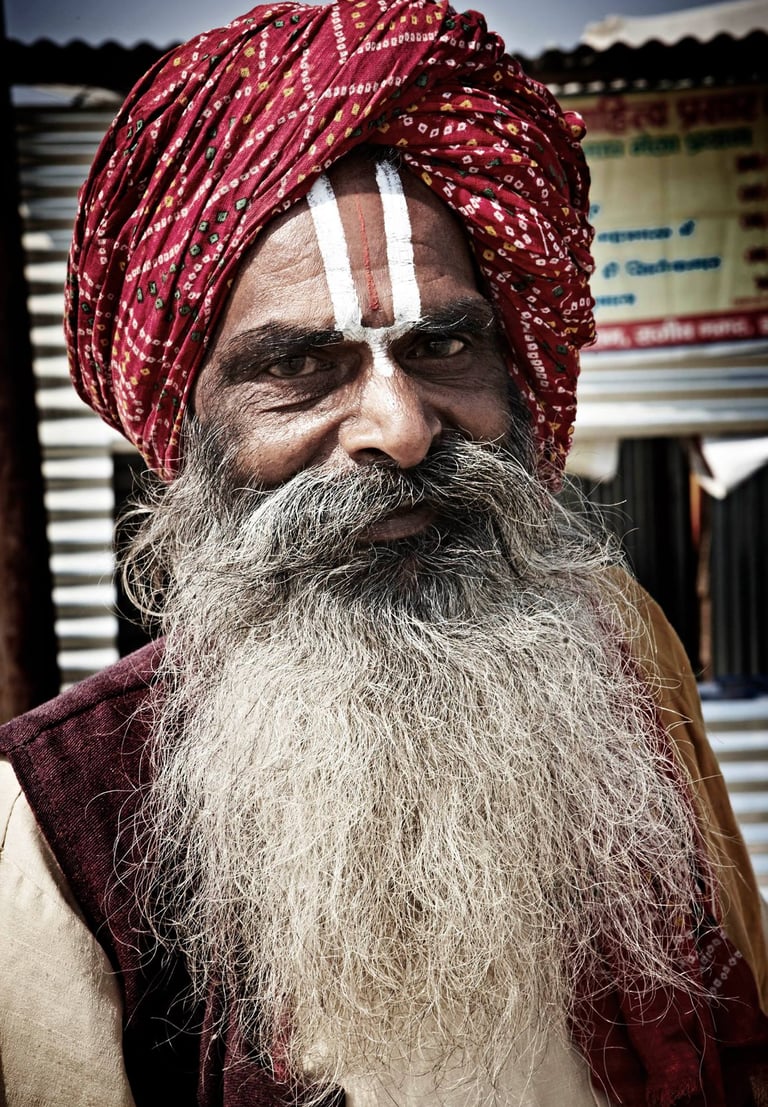
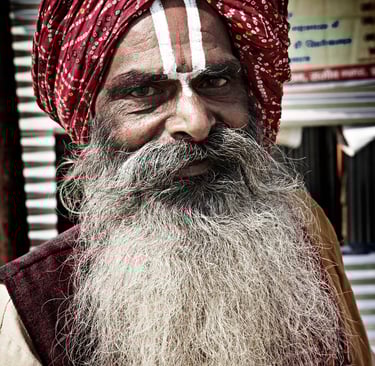
Portraits
Portraits
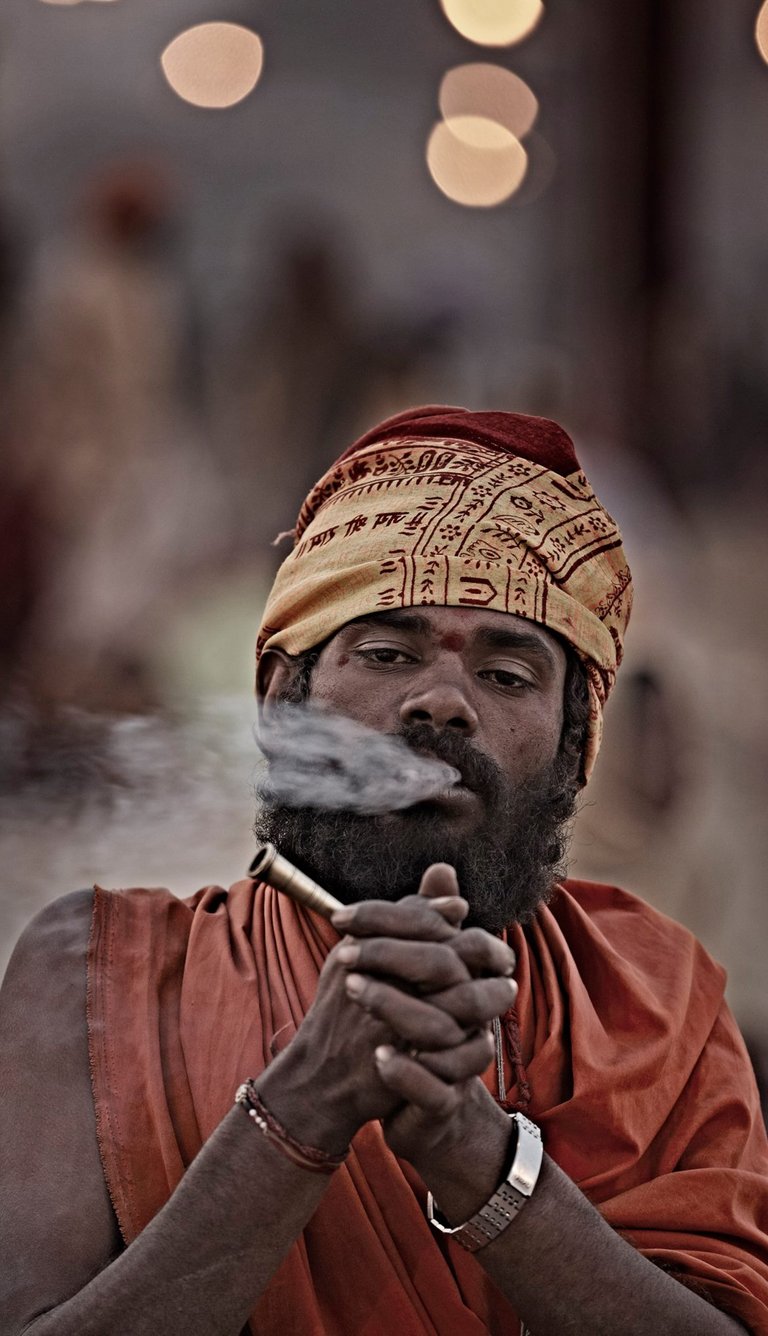
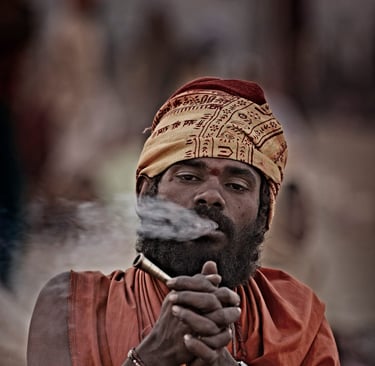
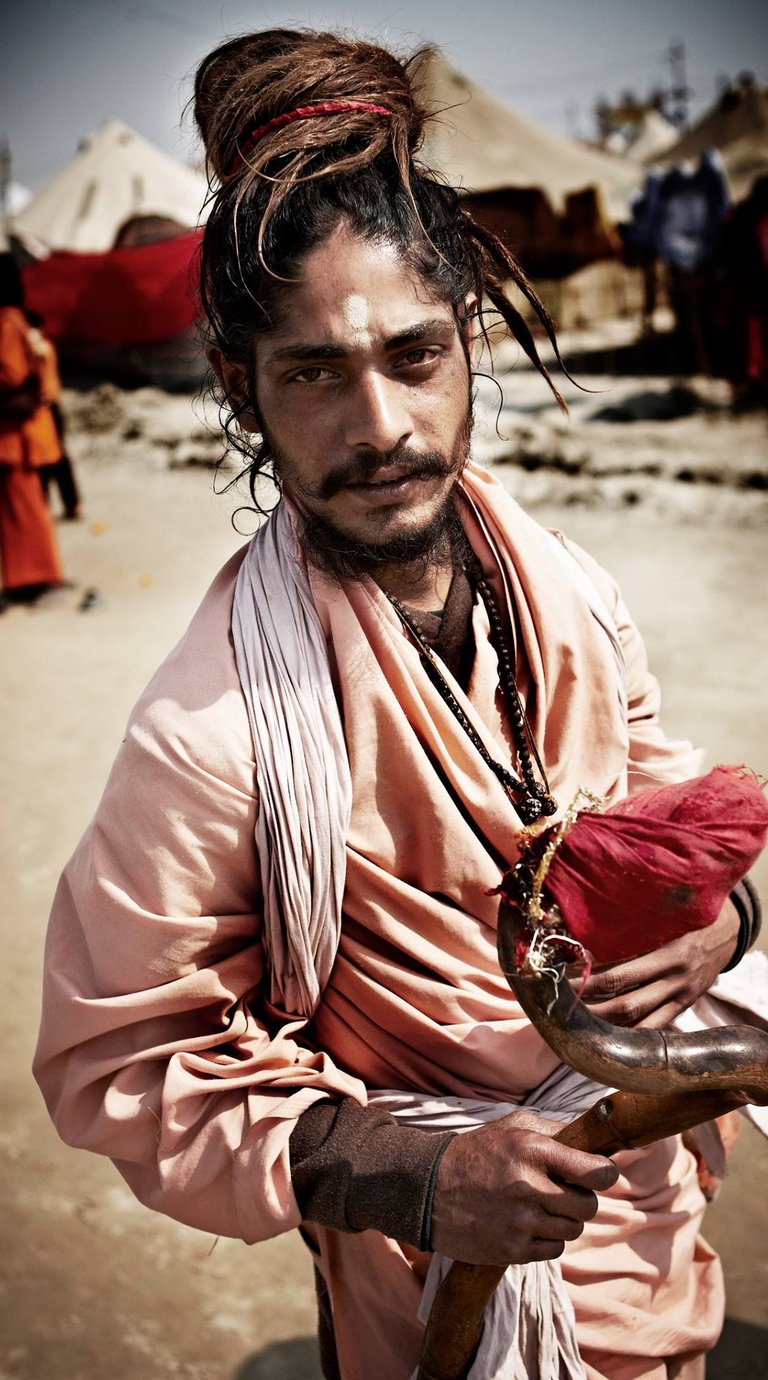
Portraits
Portraits
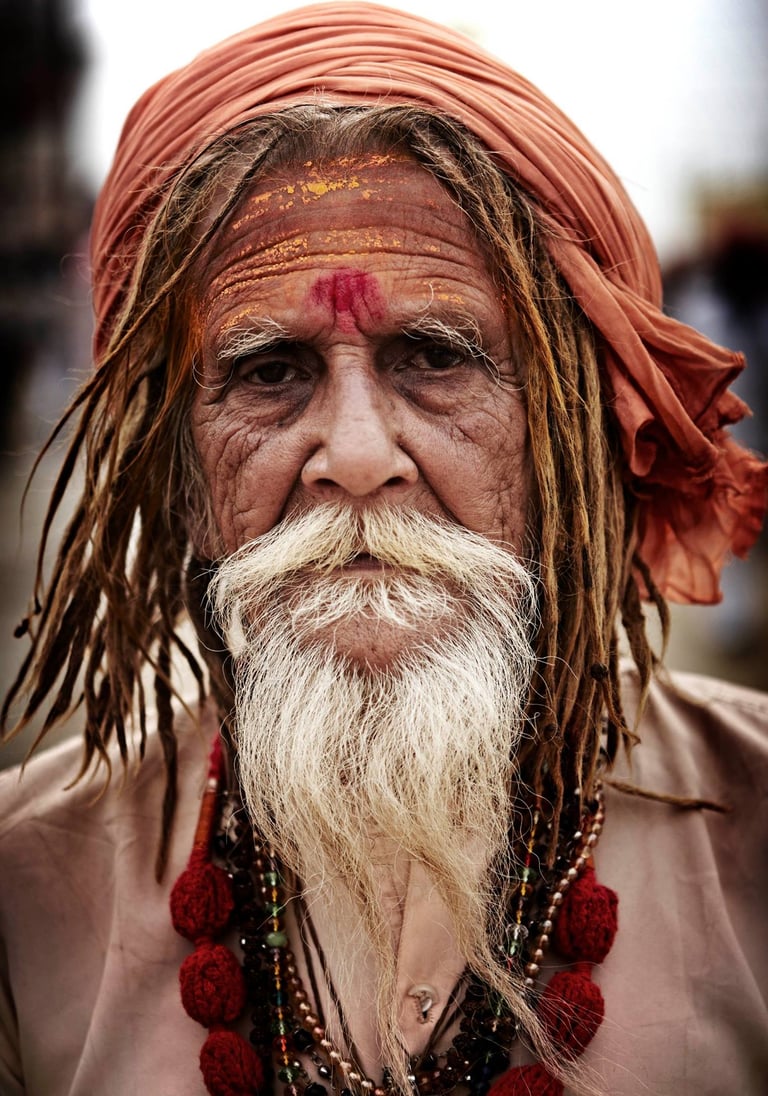
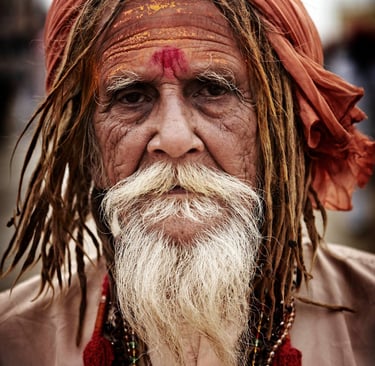
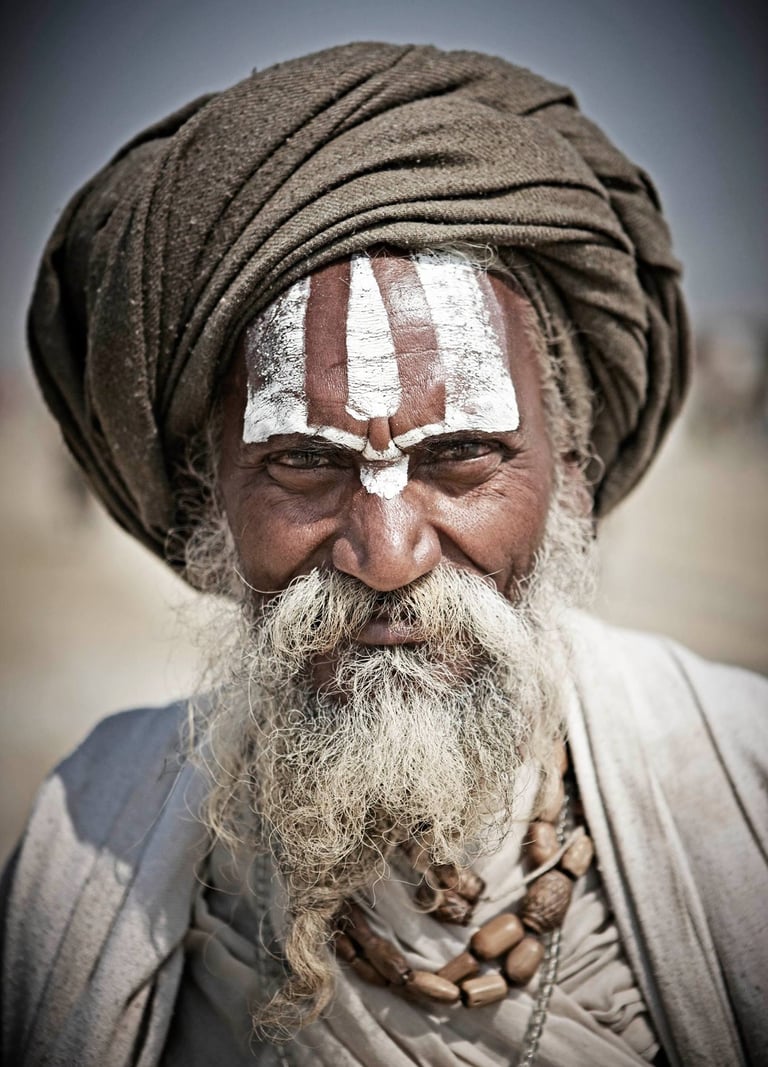
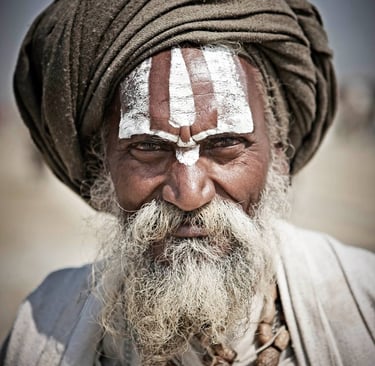
Portraits
Portraits
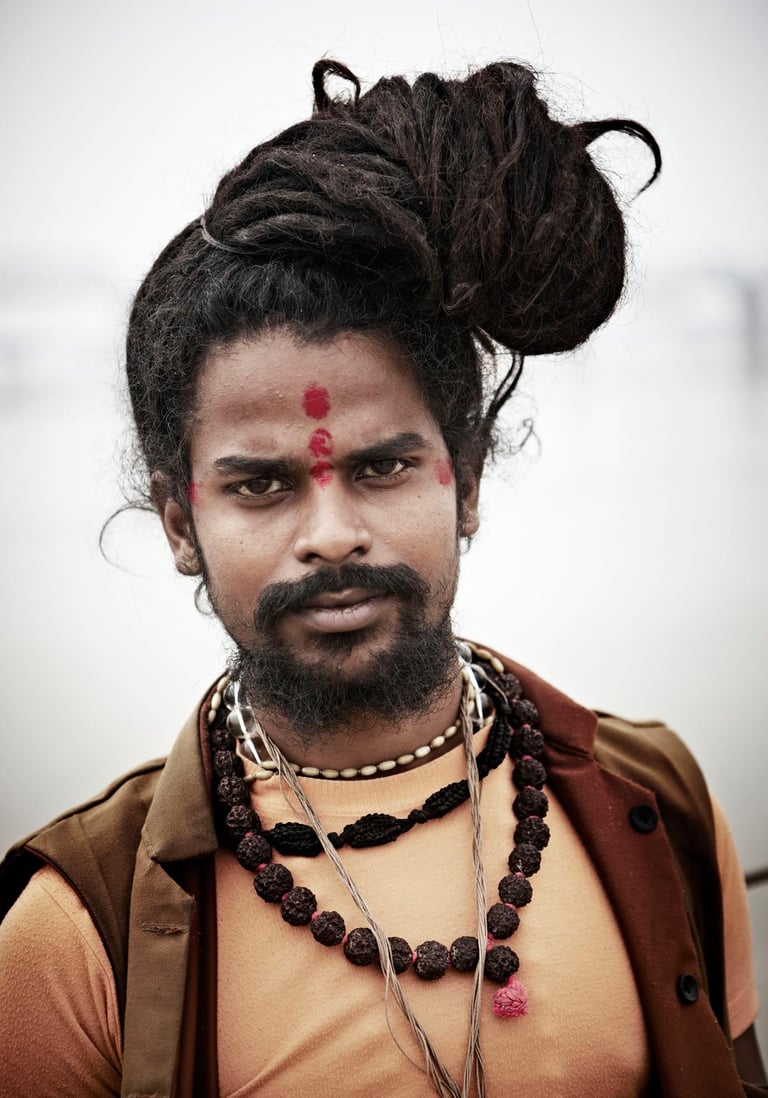
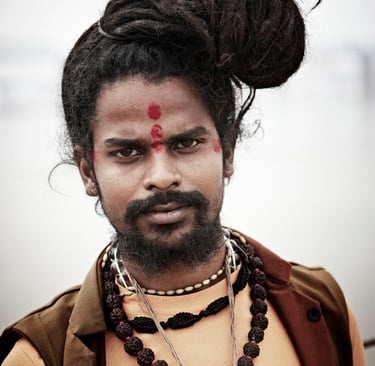
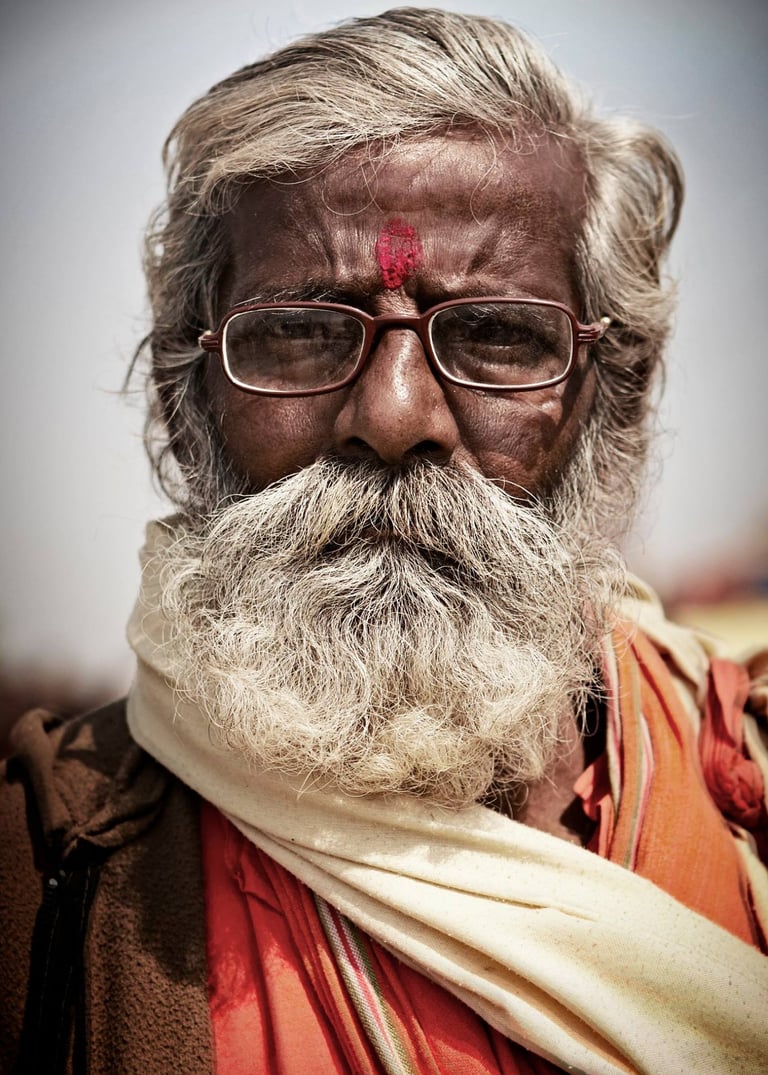
Portraits
Portraits
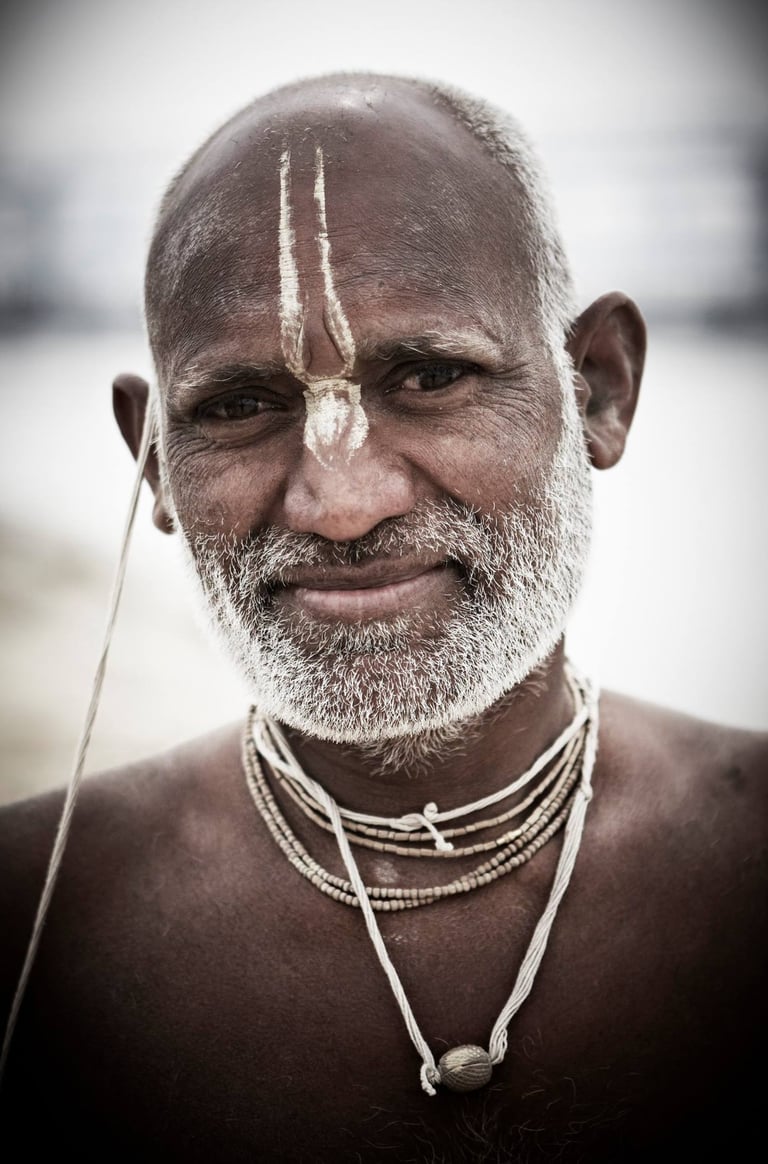
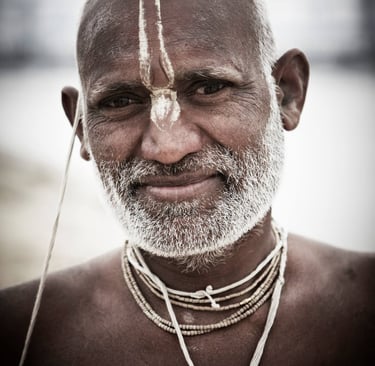
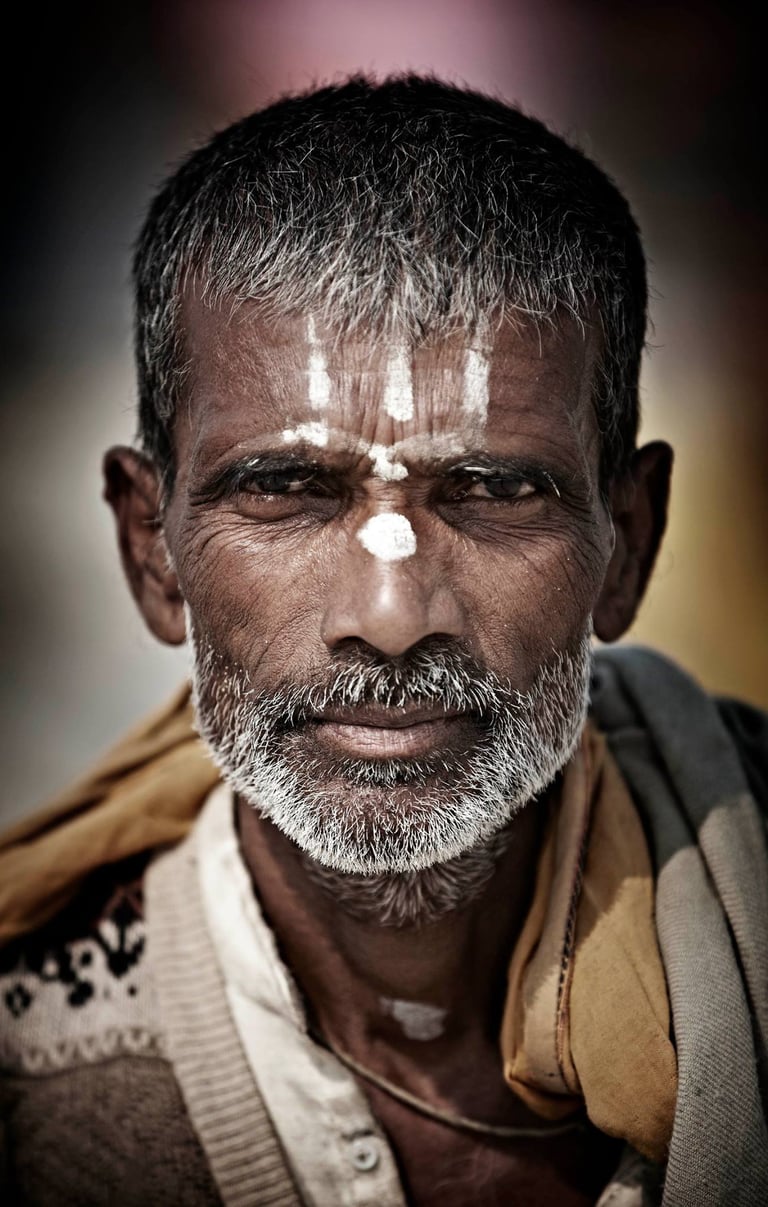
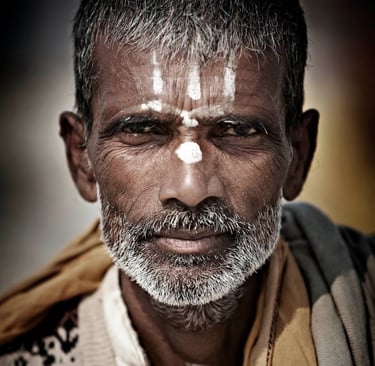
Portraits
Portraits
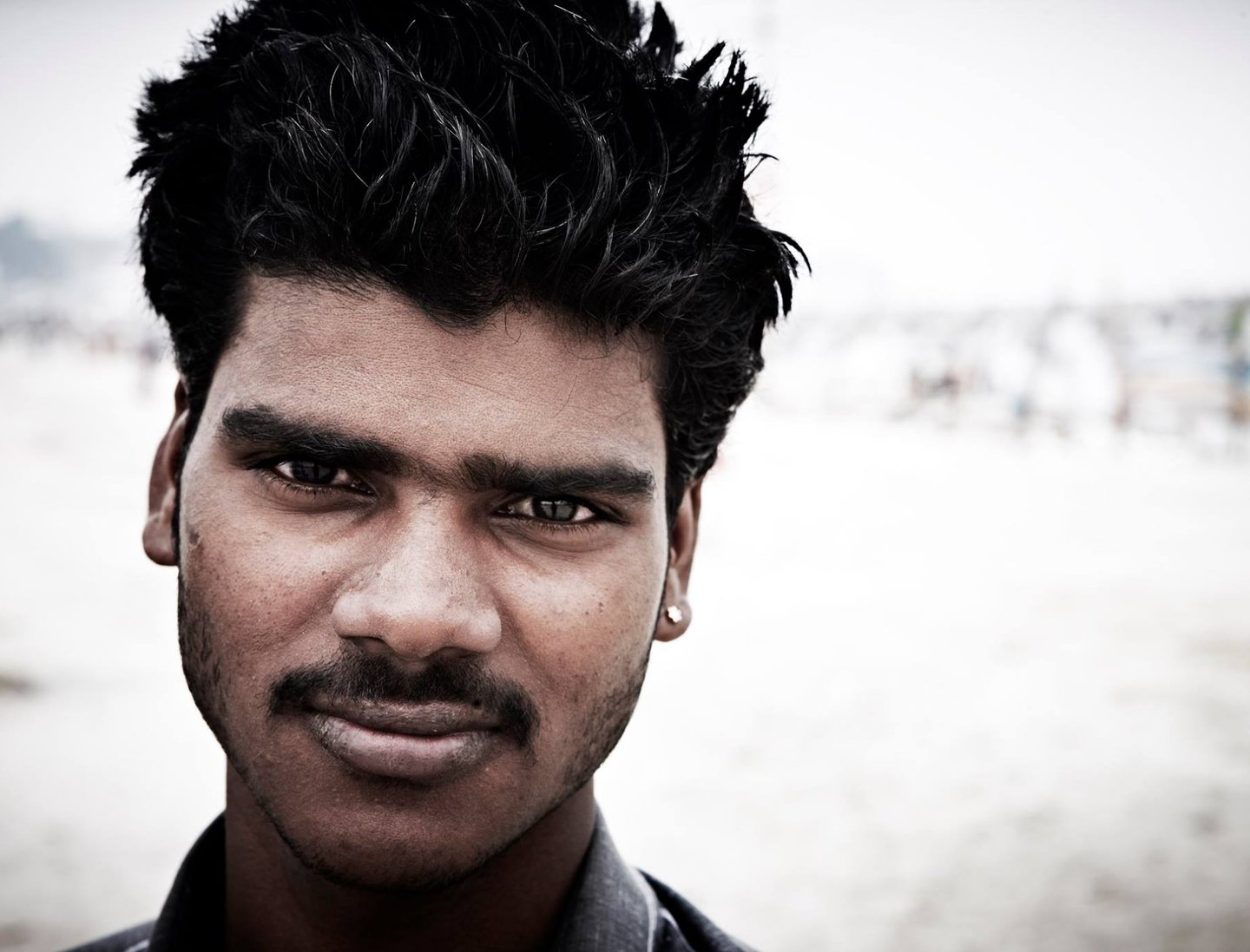
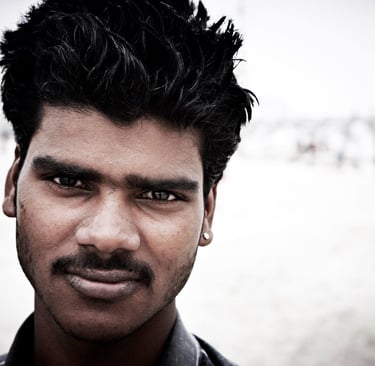
Portraits
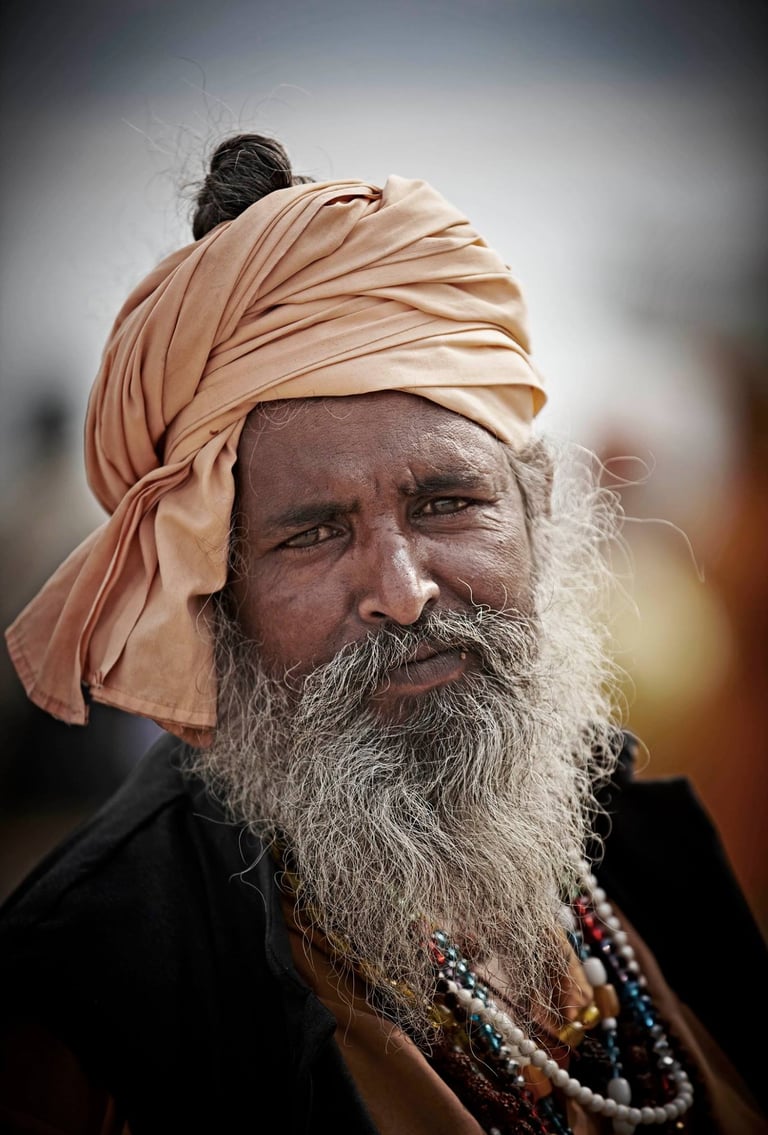
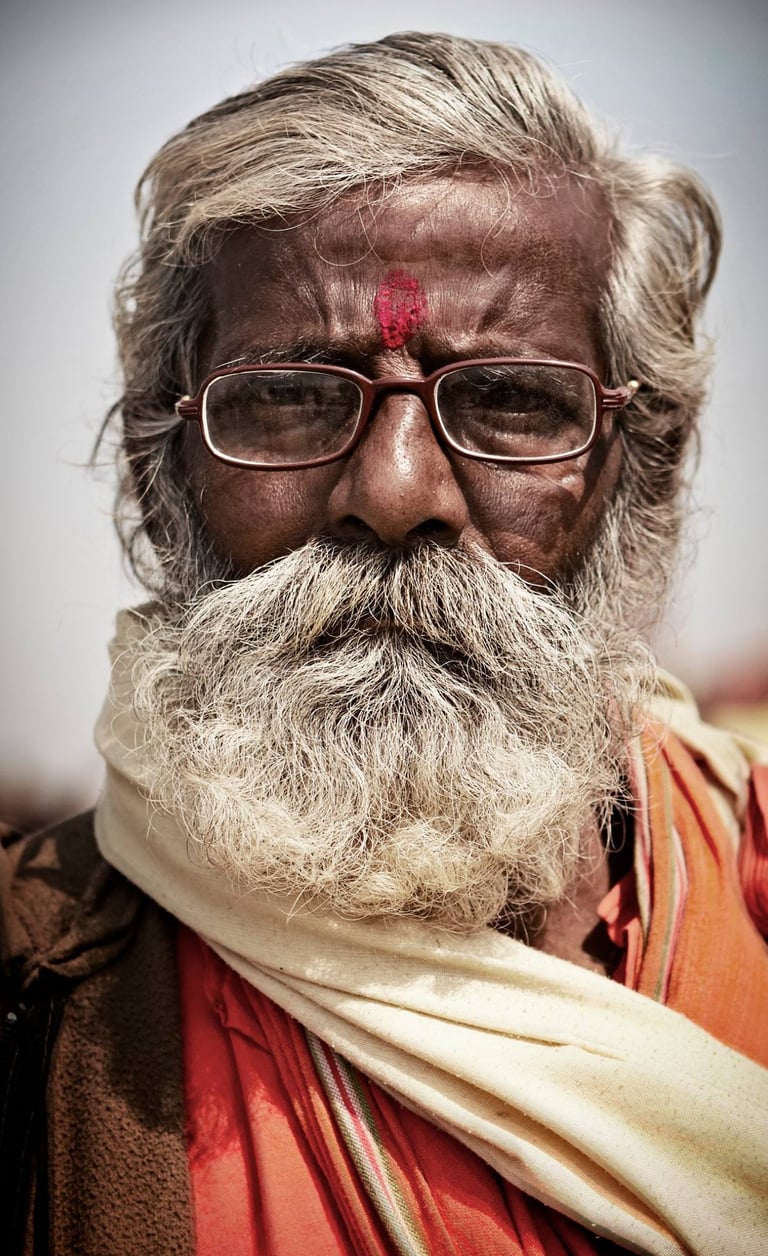
Portraits
Portraits